



Can RTX 5090 Hit 60fps in Anno 1800 at 1440p?
RTX 5090 at 1440p for Anno 1800 needs settings, CPU balance, and game limits checked before expecting 60fps. Use this SA-focused view to frame the target without assuming identical results.
Read moreThe practical gaming chair spec floor should be shortlisted around the job it must do. South African buyers should compare fit, performance, compatibility, and upgrade room, warranty path, and upgrade room before treating any pick as best.
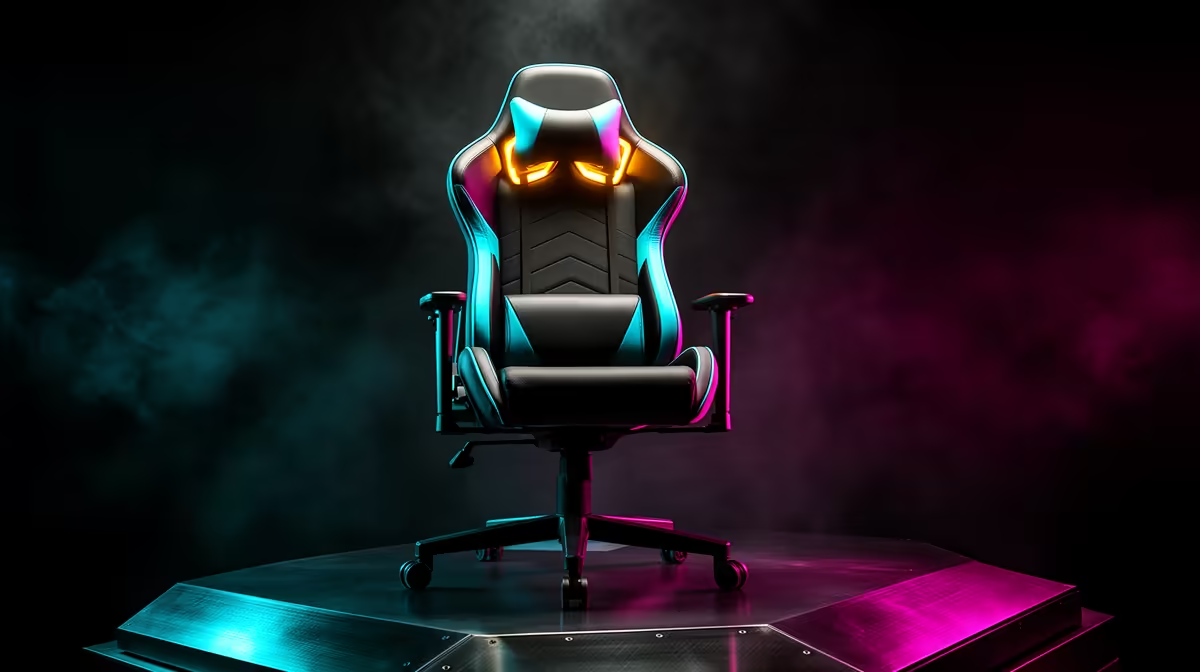
For low-latency online gaming the chair does not affect ping, but the right spec floor keeps you sharp through long competitive sessions. The floor is a steel frame, a 120kg-plus rating, 4D armrests and a class-3 gas lift, from around R2,500. A stable seating position steadies your aim; your router and wired connection handle the latency.
Latency comes from your connection, but fatigue ruins reaction time, so a competitive chair floor is a steel frame, a 120kg-plus weight rating, 4D armrests and a class-3 or class-4 gas lift. Adjustable armrests let you set wrist height so your mouse arm stays relaxed across a long ranked session, which keeps your aim consistent into hour three. A firm seat base and lumbar support stop the slouch that slows your reactions. Expect R2,500 to R6,000 for a chair that hits this floor.
Your ping is decided by a wired connection and a good router, not the chair. A single Ethernet run to your PC holds 20 to 40ms to local SA servers far more steadily than Wi-Fi. Pair that with a 144Hz or 240Hz monitor so the frames you react to arrive quickly. The chair's job is to keep your body comfortable so your trained reactions fire cleanly, session after session.
A R2,500 to R4,000 chair with a steel frame and 4D armrests covers most competitive players; the premium tier above R6,000 adds warranty and foam quality for all-day use. Skip flashy RGB chairs that cost more for lighting you never see while staring at the screen. Put the saved rand into the wired connection and monitor that genuinely affect your latency and reactions.
No. Latency comes from your connection and monitor, not the chair. A wired Ethernet run and a 144Hz-plus screen lower your effective latency; the chair only keeps you comfortable enough to react consistently.
4D armrests to set a relaxed mouse-arm height, firm lumbar support, a steel frame and a class-3 gas lift. These keep your posture stable into hour three so fatigue does not slow your reactions.
R2,500 to R4,000 buys a steel-frame chair with 4D armrests that suits most players. Go above R6,000 only for all-day use; spend the rest on the wired connection and monitor that affect latency.
Set your chair floor at a steel frame, 120kg rating and 4D armrests, then run Ethernet to your PC for true low latency. Both are stocked at Evetech.
RTX 5090 at 1440p for Anno 1800 needs settings, CPU balance, and game limits checked before expecting 60fps. Use this SA-focused view to frame the target without assuming identical results.
Read more
CPUs mistakes for small bedrooms help SA buyers avoid the wrong spec for the job. The guide checks compatibility, warranty, noise, upgrade room, and where spending more may not improve the daily setup.
Read more
Using a front-desk all-in-one as a home media server is only worth considering when space saving matters more than upgrade flexibility. In South Africa, confirm the current Evetech AIO options first, because a tower may suit storage growth and servicing better.
Read more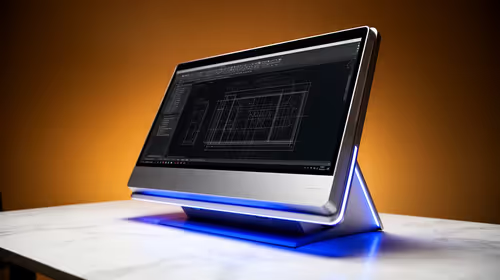
AutoCAD 2D drafting in South Africa can work on an all-in-one PC when the projects are mainly drawings and desk space is limited. Compare current Evetech AIO availability, because users needing broader upgrade options may prefer a tower with RX 7600 or RTX 5060.
Read more
DaVinci Resolve editing is a tougher reason to choose an all-in-one, because creator work can outgrow a compact front-desk machine quickly. Use current Evetech stock, desk space, warranty and upgrade limits to decide whether the all-in-one format is enough for the editing workload.
Read more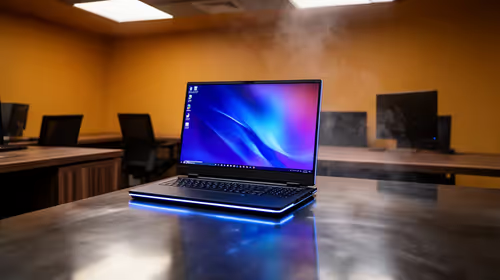
A front-desk all-in-one is enough for a light home lab in South Africa only when the tasks stay modest and do not depend on frequent hardware changes. For broader lab experiments, upgrade flexibility makes a tower the stronger choice, with RX 7600 or RTX 5060 tower options already named in the source context.
Read more
Firefox private browsing separates a temporary session from normal browsing history. It does not make you anonymous online, and files or bookmarks you deliberately save can remain after the last private window closes.
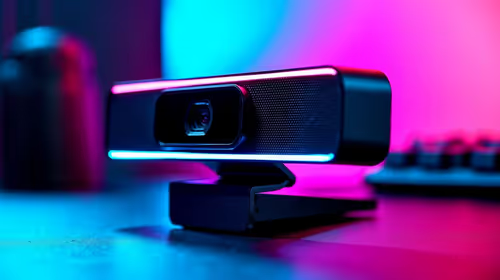
Where bryanston gamers buy a webcam that's needs careful context before choosing parts. Use this guide to compare options, trade-offs, platform fit, and upgrade timing for a South African gaming PC without relying on live stock, price, or benchmark promises.

RTX 5080 build low FPS after a GPU driver update needs a careful rollback path. Check drivers, firmware, cables, USB ports, overlays, and recent settings before replacing hardware in an SA gaming setup.
Cheapest 180Hz 1440p build for cinematic story games in SA helps SA readers plan hardware, settings, compatibility, and upgrade trade-offs. Check GPU, CPU, RAM, storage, monitor, and stability needs without risky performance claims.

Firefox can clear temporary page files without clearing cookies. Select the cached-files option carefully, then reload the affected page before changing unrelated browser settings.
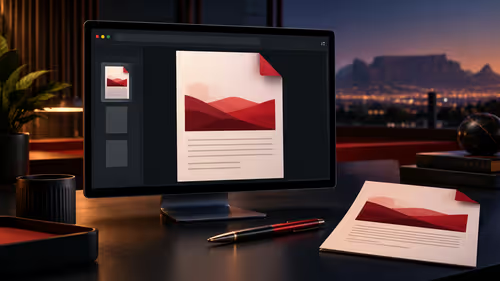
Firefox PDF viewer opens documents in the browser and provides annotation and form tools. Check the PDF action, work on a saved copy and reopen the final file to confirm the information you entered survived before submitting an application or assignment.
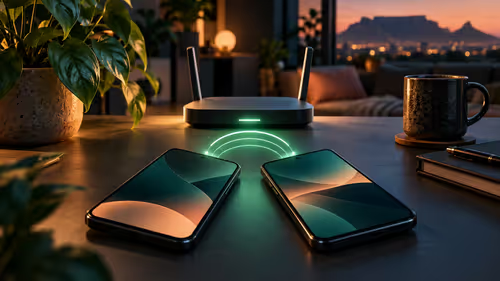
Learn how to share WiFi password on iPhone using nearby Apple devices. Keep Wi-Fi and Bluetooth on, check contacts and the connected phone, then use Share Password; separate this process from sharing a mobile-data hotspot or changing a router password.

Firefox screenshot offers a selected region, visible-page capture and full-page capture. Choose the smallest useful area, copy or download the result, and inspect the saved image before sharing account details or assuming every part of a page was captured.

8000Hz and 1000Hz polling differ in competitive esports through input timing, CPU load, and consistency. SA players should test whether the higher rate improves aim feel without hurting frame pacing.
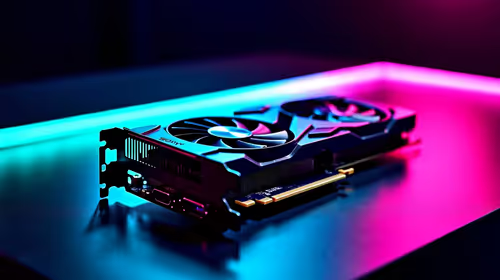
Better value alternatives to the RTX 4080 help SA esports buyers focus spend on frames, latency, and system balance. Weigh GPU tiers against your monitor, CPU, case cooling, and upgrade path before paying for unused power.

Hollow Knight R40,000 PC build planning starts with balanced parts. For SA gamers, compare CPU and GPU fit, RAM needs, SSD space, PSU headroom and cooling before buying.
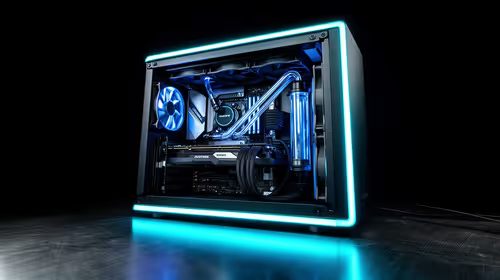
iRacing R80,000 builds should target smooth sim racing, not vanity specs. This recommended build for iRacing at R80 000 SA buyer's guide should weigh CPU strength, GPU headroom, triples or VR plans, cooling, and reliable peripherals.