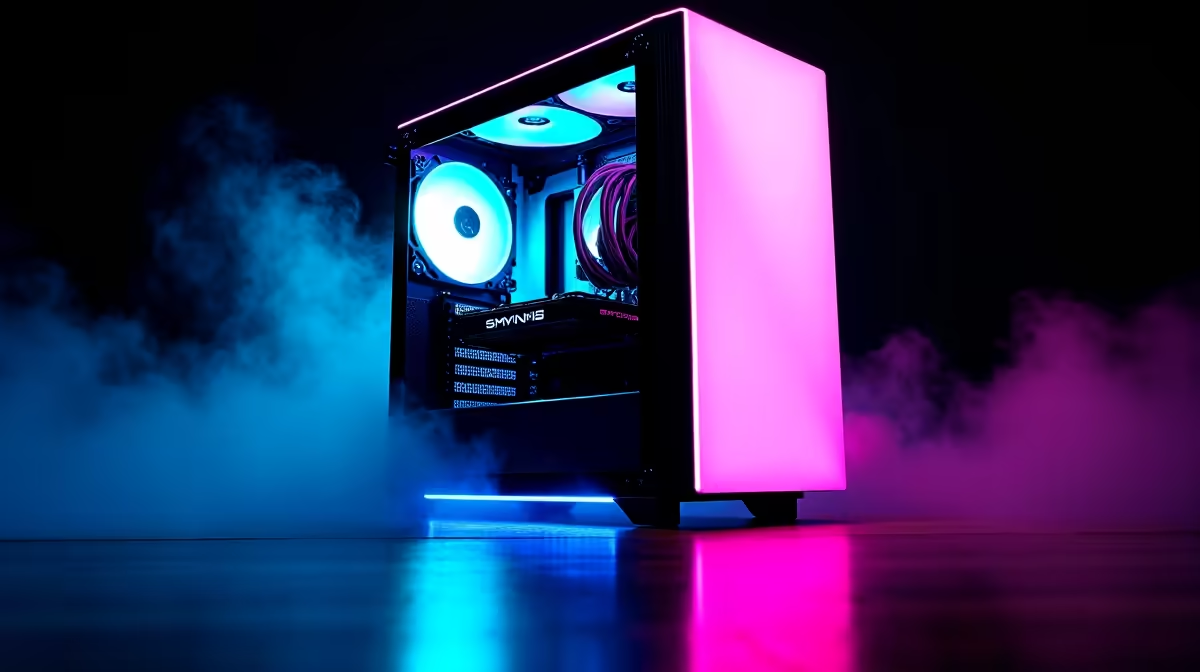
A video-editing PC can be worthwhile for web development when the job also involves local containers, virtual machines, large builds or regular media production. For browser-based coding and ordinary front-end work, an expensive graphics card may sit idle. Spend first on memory, responsive storage and the processor performance the toolchain actually uses.
Profile the development day
Open the editor, browsers, database, containers and communication apps together. Record memory use and time a representative build. Then add the real editing project and export it. This separates a web workload from occasional video demand and shows whether one machine needs to handle both simultaneously.
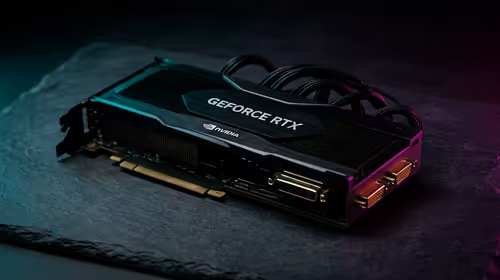
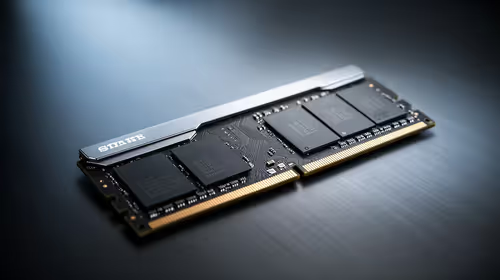
A Ryzen 5 9600X processor is verified at R3,500. TEAMGROUP VULCAN 32GB DDR5-6000 memory is verified at R1,460. The Palit GeForce RTX 3050 6GB graphics card is verified at R2,700. Treat these as individual references and ask for motherboard, cooler, power-supply and chassis compatibility before combining anything. Confirm that the editing application supports the chosen graphics hardware and codecs.
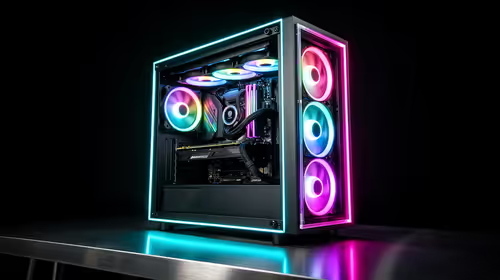
Keep projects, development databases and source footage organised on suitable storage, with approved backups outside the working drive. Check Linux or virtualisation support if those are part of the job. A quieter, efficient system may be more valuable than maximum graphics performance during long coding sessions. Buy the editing-class build only when the measured secondary workload needs it; otherwise choose a balanced development PC and leave room for a later GPU upgrade.
Combining development and video work? > Ask Evetech to balance verified components around both measured workloads.