


Quick Answer
In cheap smart watches used to watch over an expensive setup, the first things to break are the battery, the strap and the touchscreen response; failures often appear within 8 to 12 months. That is why a R2,400 watch with local warranty beats a R900 no-name unit for reliable alerts.
What Fails First And Why
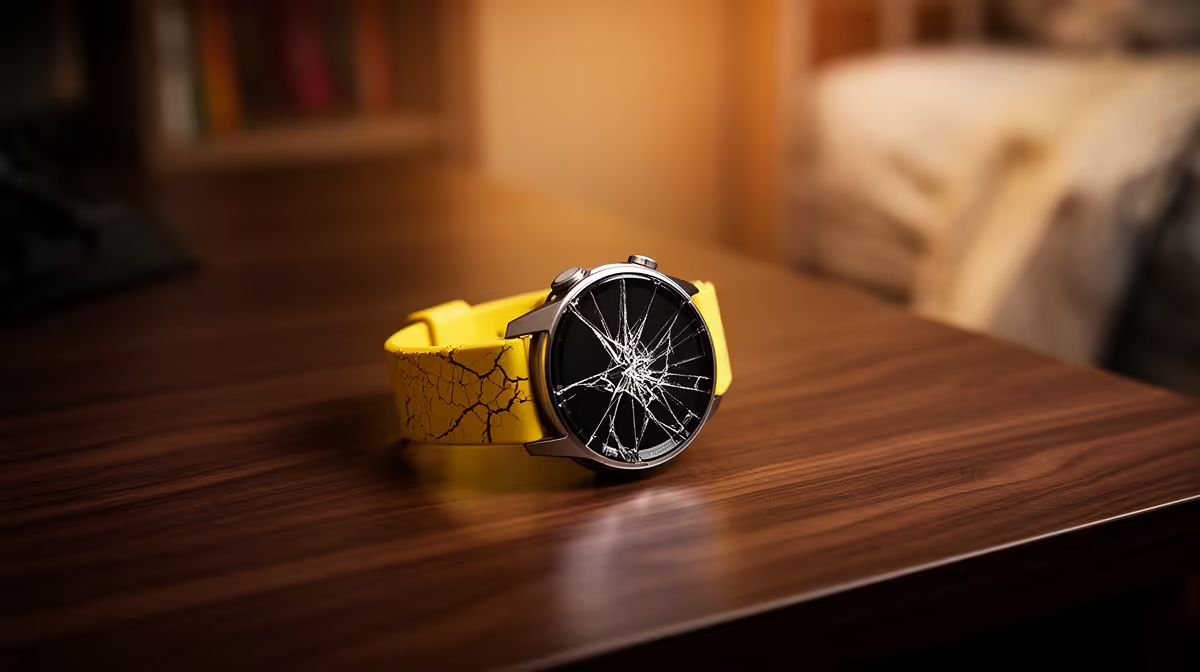
Budget watches cut corners where it shows over time. The lithium battery degrades fastest, dropping from days to hours of runtime, which means missed alerts about your gear. Cheap silicone or pin straps tear or pop loose, and the watch ends up in a drawer. Low-grade touch panels grow unresponsive or develop dead spots, so swiping to a notification becomes a chore. Water ingress on units with weak seals kills the electronics outright.
Buy To Avoid The Early Failures
Spend a little more for the parts that fail first to be done properly: a battery rated for hundreds of cycles, a replaceable standard-width strap, a responsive screen, and a real 5ATM water rating. Local warranty matters most here, since a watch guarding your setup is useless if it sits faulty for weeks. A R2,400 to R3,200 model with warranty support is the safer monitoring tool.
FAQ
How soon do cheap smart watches start failing?
Common failures appear within 8 to 12 months: battery runtime collapses, straps tear, and touchscreens grow unresponsive. Better-built watches push those failures out for years.
Which part fails first on a budget watch?
Usually the battery, which degrades from days of runtime to hours. That directly undermines a watch meant to deliver timely alerts about your setup.
Is local warranty really that important?
Yes; a monitoring watch is useless while it sits faulty. Local warranty means a quick repair or swap rather than weeks without alerts.
watch with a replaceable standard-width strap, a real 5ATM rating and local warranty, since those are exactly the points cheap units fail on first.











