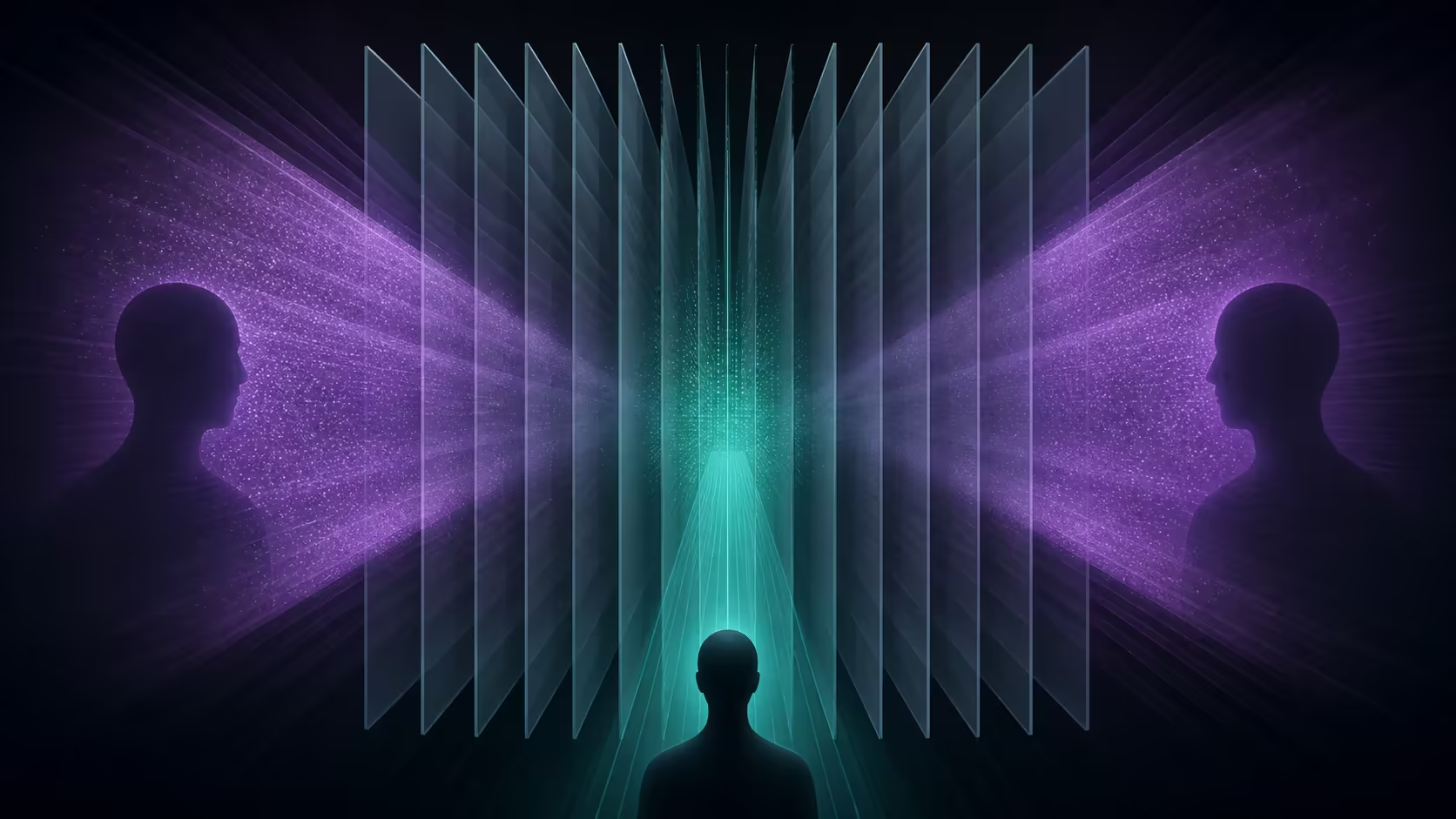
The word anti-spy sounds dramatic, but the useful idea is simple: make a laptop harder to read from nearby side positions while keeping the main user in front. An anti-spy screen protector is a visual privacy aid for shared spaces, not a substitute for locking files or watching who stands behind you.
Quick Answer
An anti-spy protector limits casual side viewing by controlling how the display is seen away from the central position. This 15.6-inch Laptop Privacy Screen Protector Filter is R299, adds anti-glare treatment and follows a 16:9 shape. Its purpose is narrower visual access, not complete secrecy around the laptop.
🪟 Think in viewing paths, not walls
The intended user normally sits close to the centre line of the display. A neighbour at a table sees the panel from a different path, so the privacy layer is designed to make that off-centre view less useful. The effect should be assessed where people actually sit rather than against an invented angle number.
A person directly behind the user may share much of the central path. That is why the first protection step is choosing a seat with a wall, quiet corner or controlled aisle behind it. The filter then addresses the side exposure that remains. This layered approach is more realistic than expecting one accessory to hide every pixel from every direction.
The Evetech range of gaming accessories can help place the filter within a broader portable-work kit. Keep the privacy goal precise when comparing it with sleeves, stands or input devices.
📐 Screen shape decides whether it belongs
This example fits a 15.6-inch laptop display using a 16:9 aspect ratio. Those figures describe different things: the first is the diagonal class, and the second is the relationship between width and height. Both must agree with the laptop.
Do not assume that every machine sold as 15.6 inches presents the same fitting surface. Look up the exact display details for the laptop, inspect the active area and follow the protector's own placement guidance. A privacy feature cannot compensate for a format mismatch.
🌤️ Anti-glare solves another problem
Privacy filtering is about who can view the screen from the side. Anti-glare treatment is about reflected light that competes with the content. A window, ceiling fitting or bright shirt can produce a distracting reflection even when nobody else is nearby.
Test the two effects in sequence. First, open harmless content and compare the centre with neighbouring seats. Then return to the centre and rotate the laptop relative to the strongest light source. This avoids crediting glare reduction for privacy, or blaming the privacy layer for a room-light problem.
If reflection control is the main concern, explore monitor and display accessories at Evetech alongside the filter. The relevant choice is the one that answers the real environment, not the longest feature list.
🧪 A practical test beats a claimed degree
A practical evaluation does not require one universal viewing-angle figure. Place a sample document on screen, keep brightness at the usual level and ask another person to move through the side positions around the desk. Record whether headings, smaller text and coloured cells remain easy to identify.
Repeat on the opposite side and under the lighting used during real work. If the laptop often travels, run the same check at a second table. The result is a map of your actual exposure rather than a number that may not describe the room.
The accessory still needs good information habits. Minimise private windows before stepping away, use the operating system's lock function, and avoid leaving confidential pages facing a public walkway. Anti-spy refers to the screen's viewing behaviour, not broader data security.
The operating principle is positional: someone sitting squarely in front retains the useful view, while an onlooker at the side sees a restricted field. This 16:9 model adds anti-glare reflection control and a scratch-proof protective layer for dust, oils and handling. Its light, slim construction suits travellers who need to fit or remove privacy protection as they move between public and private spaces.
Frequently Asked Questions
Does anti-spy mean the screen becomes invisible from all sides?
No. The function is intended to reduce casual off-centre viewing. Direct lines of sight and nearby positions still require sensible laptop placement.
How is anti-glare different from visual privacy?
Anti-glare treatment reduces distracting reflections, whereas privacy filtering addresses side visibility. One should not be used as proof of the other.
Which laptop format matches this protector?
It matches a 15.6-inch screen with a 16:9 aspect ratio. Check the laptop's own display specification before choosing it.
Can this accessory secure online accounts?
No. It affects physical viewing of the display only. Password practices, device locking and network security remain separate responsibilities.
Ready to reduce casual side viewing?
Start with the seat and screen format, then use Evetech's accessory categories to compare a privacy layer that suits the way you work.