Quick Answer
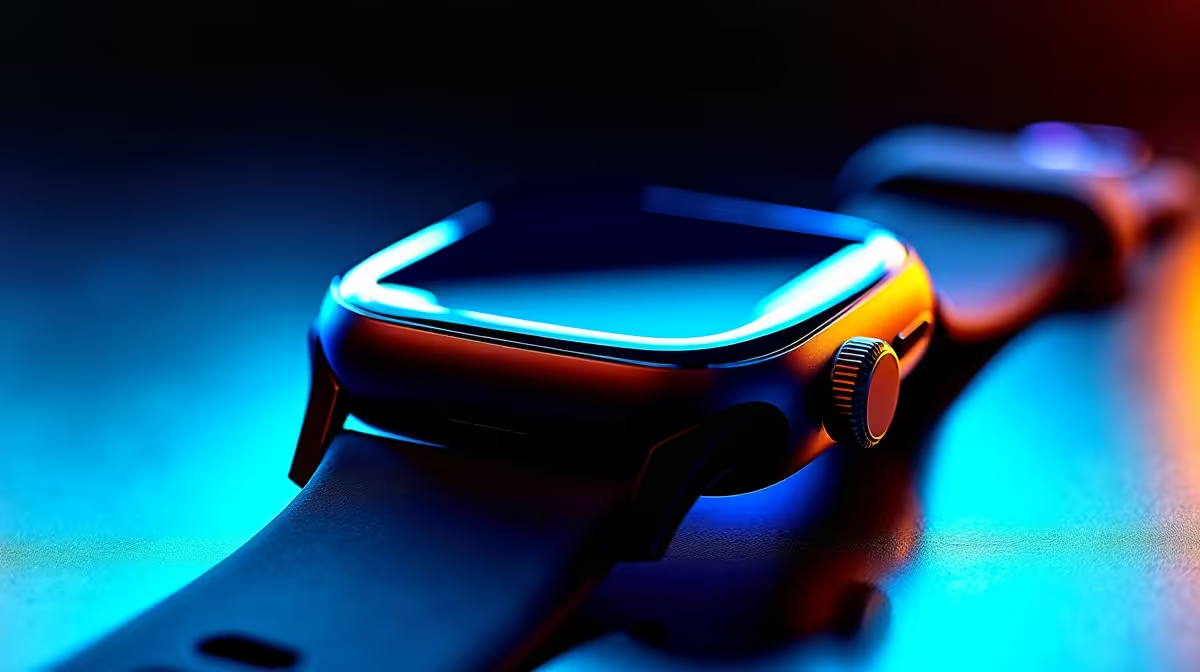
For a smart watch bought to help watch over an expensive setup, what matters most is reliable notification delivery, a strong haptic motor and multi-day battery; screen specs and sport modes come a distant second. Watches that nail those essentials start around R2,200.
The Features That Actually Matter
The whole point of a monitoring watch is getting alerts to your wrist, so prioritise the parts that serve that. First, dependable notification delivery from your phone and apps, with no lag or drops. Second, a haptic motor strong enough to feel through a sleeve while you game. Third, 5-to-7-day battery so the watch is never flat when an alert lands. A 5ATM water rating and an instant-wake screen round out the genuinely useful list.
What To Treat As Secondary
Marketing pushes peak brightness, dozens of sport modes, ECG and premium materials, but none of these make the watch better at relaying alerts about your gear. They add cost and, in the case of always-on displays, drain the battery you actually need. Hit the essentials on a R2,200 to R3,200 model, then put any leftover budget toward surge protection or a UPS that guards the setup directly.
FAQ
What is the most important smart-watch feature for monitoring?
Reliable notification delivery, since the watch exists to surface alerts about your setup. A watch that drops or delays notifications fails at its core job.
How strong should the haptic motor be?
Strong enough to feel through a sleeve while gaming. A weak buzz means you miss alerts exactly when you are absorbed in play and most need them.
Do premium health features help with monitoring?
No; ECG, sleep coaching and premium materials add cost without improving alerts. Spend that money on surge protection or a UPS instead.
Hit reliable notifications, strong haptics and multi-day battery on a mid-range watch, then put leftover budget into a UPS or surge protection for the setup.