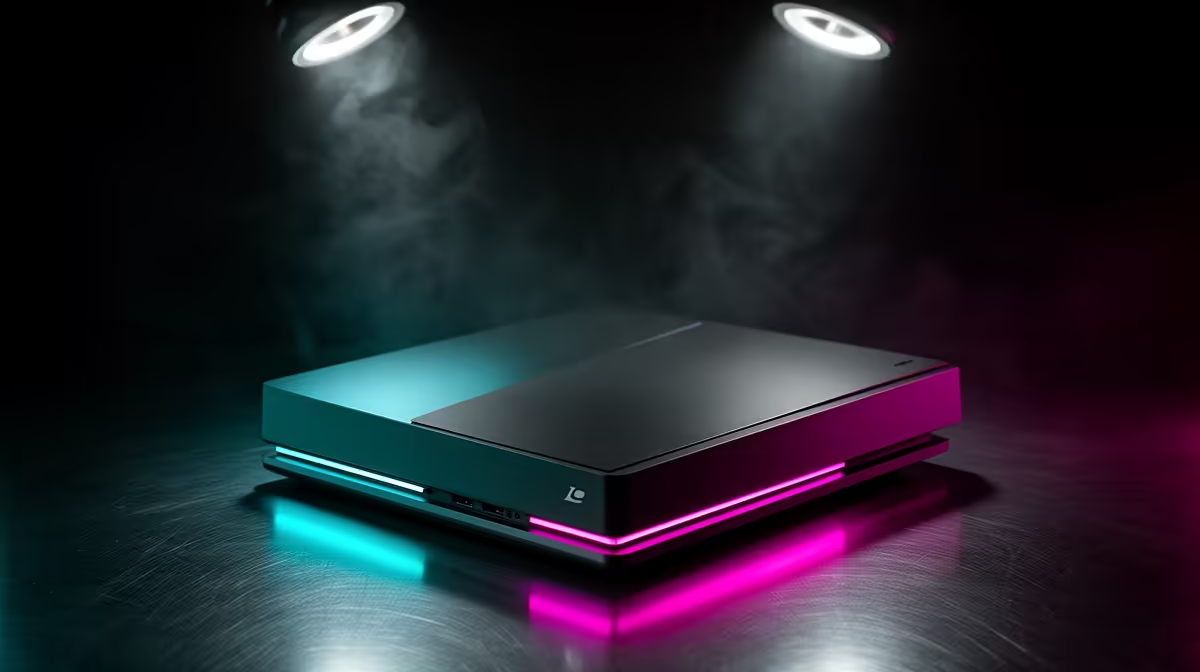
A console is the easier first gaming machine for many younger children. The interface is focused, the hardware stays fixed and family controls live under one platform account. A gaming PC asks for more supervision, but it can grow into schoolwork, creation and a much wider game library. Your child's age, independence and the place where the machine will live should decide the route.
Quick Answer
Choose a console for a shared living room, controller-led play and the shortest setup path. Choose a PC when the child is ready to learn desktop basics, needs a computer for school and will benefit from upgrades over time. In either case, create the parent account first, use a child profile and review official family-control guidance for the platform.
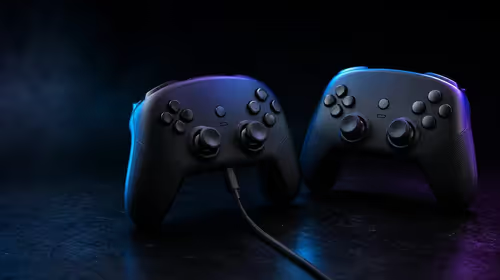
A comfortable controller can make either setup more approachable. Compare gaming controllers and popular peripherals, checking age fit, wired or wireless use and exact platform compatibility.
Start With the Child, Not the Hardware
Write down the games they want, who they will play with and where the machine sits. A seven-year-old playing local co-op next to a parent needs a different setup from a teenager joining school friends online.
Check the age rating, communication features and user-generated content in each game. Online play can expose a child to voice chat, text, friend requests and purchases even when the game art looks harmless.
Parents should learn the platform controls before handing over the account. A purchase PIN, play-time schedule and communication rules work best when the child understands why they exist.
Why Console Setup Is Easier
One hardware target means fewer driver and component decisions. Games install through the platform store, controller support is predictable and updates follow one route. A shared television can remove the cost of another display.
Console family settings can manage age access, communication, play time and purchases, though menus and terms change. Use the current official support material rather than an old video guide.
The limits are clear too. The console remains a gaming and media device, upgrade choices are narrow, and some online play can require a recurring platform service.
Where a Gaming PC Grows With Them
A desktop can support homework, coding, art, music and content creation beside games. Keyboard and mouse skills become useful outside play. Storage, memory and graphics can be upgraded when the need appears.
That flexibility brings maintenance. Windows accounts, game launchers, browser access, downloads and mods create more places for a child to make a poor choice. A younger child may need an adult to install software and troubleshoot.
Use a standard child account without administrator rights. Keep the parent password private, enable updates and use supported security tools. Back up schoolwork separately from the games drive.
Build a Safe Shared Space
Place the first machine in a common area where conversation happens naturally. Agree on play windows, online-friend rules and what to do when someone sends an uncomfortable message.
Use a headset with care. Open speakers help a parent hear younger children's online interactions, while a headset may be necessary in a shared home. Review microphone and camera permissions.
Teach the child never to share a full name, school, address, passwords or verification codes. Controls support this lesson; they cannot replace it.
Compare the Full Family Cost
For a console, include a second controller when local play matters, the current online service you would keep and the games themselves. Add a display only when the family television is unavailable.
For a PC, include the tower, monitor, keyboard, mouse or controller and any school software you need. Give the PC credit for replacing another computer only when you would otherwise buy one.
Run the total over three to five years. Include one likely repair allowance and a realistic upgrade, then remove the upgrade when the starting system already meets the whole period.
Longevity Is About Needs
A fixed console can remain a dependable target through its generation. The child may outgrow the family games before the hardware feels old.
A PC can change one component at a time, but compatibility matters. A weak foundation can turn a graphics upgrade into a PSU, case and processor replacement. Choose a balanced starting platform and document its parts.
School use can make the PC valuable for longer, while console simplicity may keep family gaming enjoyable with less admin. Longevity includes willingness to maintain the device.
A Controller Is a Good Starting Point
Many children find a controller easier for driving, platform and sports games. Size, button resistance and cable length matter for smaller hands. A wired model avoids charging, while wireless keeps the shared room tidier.
Compatibility is product-specific. A controller that works on Windows may not work on a particular console, and platform branding should be checked against the exact generation.
Keep drinks away from the setup and provide a storage place for the controller. Small habits prevent a surprising number of family disputes and damaged ports.
FAQ
Which is simpler to set up for a young child?
A console usually offers the shorter path, with fixed hardware and one family-control system. The parent still needs to configure the child account and communication limits.
Does a gaming PC offer better value as a child grows?
It can when schoolwork, creative tasks and a broader library become useful. That value comes with more maintenance and supervision.
Are parental controls easier on console or PC?
Console controls are often more contained. PC families may manage Windows, browser, launcher and game-level settings, which takes more work.
Which option lasts longer?
Both can last years. A console stays a fixed game target; a desktop can upgrade and take on new tasks when its original platform supports them.
Choose the shared console for the easiest young-child setup or the gaming PC for a supervised machine that can grow into school and creative work.