You’ve heard the whispers in Discord channels and seen the jaw-dropping temp results on YouTube. Liquid metal thermal paste… the ultimate cooling solution for pushing your CPU to its absolute limit. It promises icy-cold performance that standard pastes can only dream of. But for South African gamers chasing those extra frames, there's a critical question: are those few degrees of cooling worth the very real danger to your expensive hardware? Let's investigate.
So, What Is This "Magic Metal" Anyway? 🔧
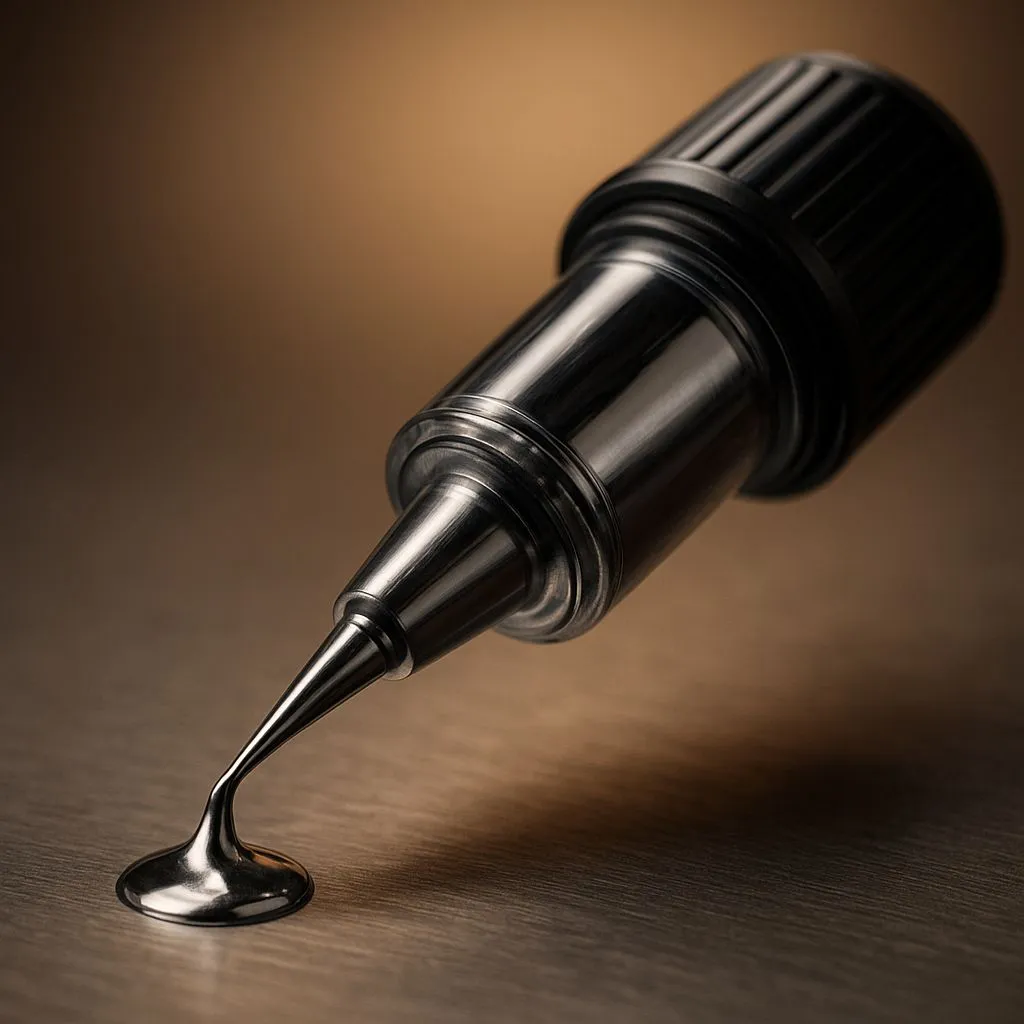
Unlike the familiar grey goo you're used to, liquid metal thermal paste isn't a ceramic or silicone-based compound. Instead, it's typically an alloy of gallium and indium that's liquid at room temperature. Its superpower? Insanely high thermal conductivity.
This means it transfers heat from your CPU's integrated heat spreader (IHS) to your cooler's cold plate far more efficiently than traditional pastes. It's the undisputed king of thermal interfaces... but that performance comes with some serious strings attached.
The Performance Payoff: How Cool is "Cool"?
Let's get straight to the point: using a liquid metal thermal paste can drop your CPU temperatures anywhere from 5°C to an incredible 15°C under heavy load compared to a stock paste. For extreme overclockers or those running render farms, this difference is massive. It can be the key to unlocking higher, stable clock speeds and quieter fan curves.
However, this paste is just one component in a larger thermal solution. Its effectiveness is directly tied to the quality of your overall setup; the best paste in the world won't help a struggling cooler. A solid foundation of excellent CPU coolers is always the first and most important step.
The High-Stakes Risks of Liquid Metal ⚡
This is where many PC builders get cold feet, and for good reason. The properties that make liquid metal so effective also make it incredibly dangerous for your components.
It's Electrically Conductive
This is the number one risk. If even a tiny droplet of liquid metal spills from the CPU and touches any of the nearby capacitors or pins on your motherboard, it will create a short circuit. The result? A dead component, instantly. Your motherboard, your CPU, even your RAM could be fried.
Safety First: Application Prep ⚡
Before applying liquid metal, always protect the components around the CPU socket. Use high-quality electrical tape or a conformal coating (like clear nail polish in a pinch) to create a barrier. This simple step can be the difference between a successful application and a R10,000 paperweight.
It Can Corrode Certain Metals
Liquid metal reacts aggressively with aluminium. Applying it directly to an aluminium heatsink will corrode and permanently damage the surface, ruining its effectiveness. You MUST ensure your cooler's contact plate is either copper or nickel-plated copper. While most modern high-performance air coolers use copper bases, it's crucial to double-check your specific model.
Is It Better Than a Top-Tier Traditional Paste?
So, the big question remains: for the average gamer, is it worth it? When you compare liquid metal to a premium, non-conductive paste like Noctua NT-H2 or Arctic MX-4, the performance gap shrinks considerably. A high-end paste might only be 3-7°C warmer than liquid metal, a difference most users will never notice in real-world gaming.
Often, investing that effort and risk into a better cooling solution yields superior results with zero danger. A powerful Liquid Cooler (AIO) can close that performance gap significantly. Top-tier models from brands like CORSAIR deliver fantastic performance out of the box. Pairing a quality traditional paste with a massive 360mm radiator setup offers incredible cooling, stability, and most importantly... peace of mind. 🧊
The Verdict: For Enthusiasts Only
So, is liquid metal thermal paste a viable option in 2025?
You should consider it if:
- You are an experienced PC builder who understands the risks.
- You are into competitive overclocking or delidding CPUs.
- You are building in a Small Form Factor (SFF) case where every single degree of cooling counts.
You should absolutely avoid it if:
- This is your first or second PC build.
- You want a simple, reliable "set it and forget it" solution.
- You are not 100% certain your CPU cooler is compatible.
For the vast majority of South African gamers and PC enthusiasts, the risk simply outweighs the reward. The potential for catastrophic hardware failure is too high for a performance gain that can often be matched by simply investing in a better cooler.
Ready to Chill Your Rig, Risk-Free?
Chasing lower temps doesn't have to mean risking your entire setup. A high-quality air or liquid cooler is the safest and most effective way to unlock your PC's true potential. Explore our massive range of CPU coolers and find the perfect match for your build today.