So, you’ve got your heart set on building a new PC. You’ve watched the tutorials, picked your dream parts… but a cold sweat breaks out. What if the CPU doesn’t fit the motherboard? What if the GPU is too big? Don’t stress! Mastering PC component compatibility is easier than you think. This guide is your ultimate checklist for building a rig in South Africa without any expensive surprises. Let's get it right, first time. 🚀
The Core Trio: CPU, Motherboard & RAM
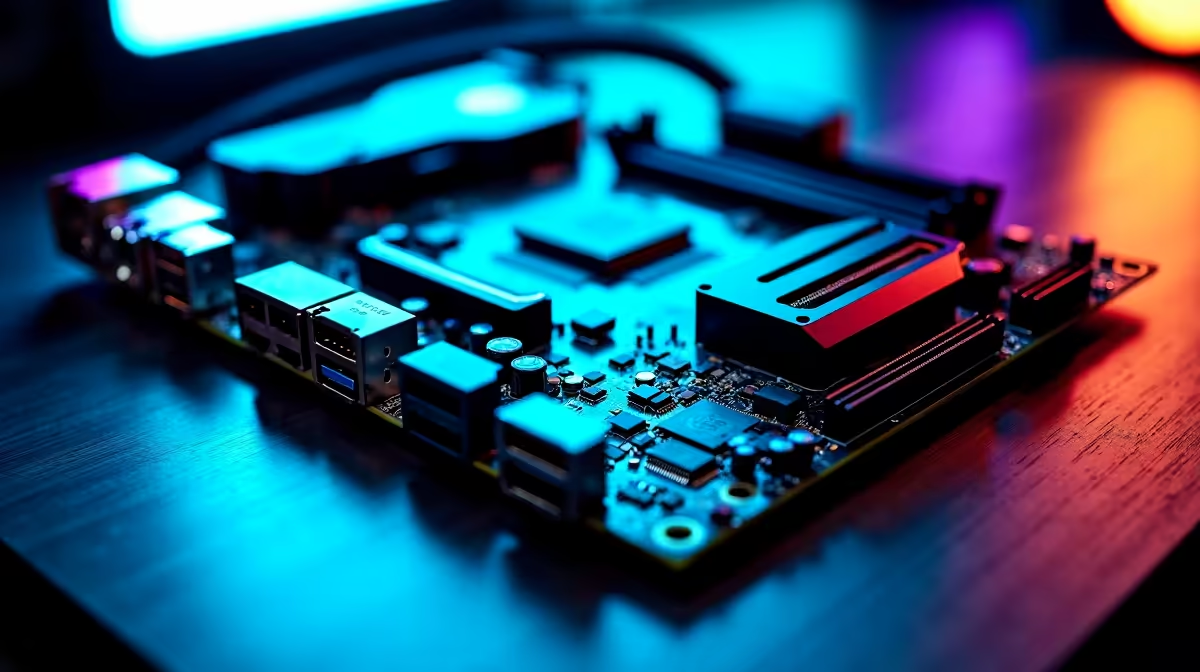
Getting the relationship between your processor (CPU), motherboard, and memory (RAM) right is the foundation of a successful build. This is the first and most crucial PC component compatibility check.
CPU Socket and Motherboard Chipset
Think of the CPU socket as the specific lock and the CPU as the key. An Intel CPU with an LGA 1700 socket will only fit in a motherboard with an LGA 1700 socket. The same goes for AMD's AM5 socket. They are not cross-compatible.
Beyond the physical fit, the motherboard's chipset matters. For example, an Intel Z790 chipset offers more features (like overclocking) than a B760. Always check the motherboard’s official support page to confirm it works with your chosen CPU. This is a vital step, even when you're looking at excellent PCs under R20,000 where every component choice counts.
RAM: DDR4 vs. DDR5
This one is simple: a motherboard is built for either DDR4 or DDR5 RAM, never both. Trying to force a DDR5 stick into a DDR4 slot is a recipe for disaster. Double-check your motherboard's specifications to see which generation it supports. Ensuring this parts compatibility is essential for maximising performance, especially in budget gaming PCs where efficiency is key.
Compatibility Check Shortcut 🔧
While tools like PCPartPicker are fantastic for a first pass, always treat the manufacturer's website as the final word. Check the motherboard's official product page for its CPU support list and memory QVL (Qualified Vendor List). This simple, 5-minute check can save you hours of headaches and potential returns.
GPU, Case, and PSU: The Physical & Power Fit
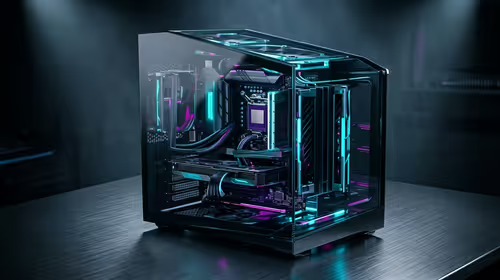
Once the core components are sorted, you need to make sure everything will physically fit and receive enough power. This aspect of PC component compatibility is often overlooked by first-time builders.
Will That Graphics Card Actually Fit?
Modern graphics cards can be massive. Before you buy, check three key measurements:
- Length: Compare the GPU's length to the maximum GPU length supported by your chosen case.
- Width: Ensure it won't be too wide and press against the side panel.
- Height: Check how many PCIe slots it occupies (usually 2 to 3).
This is especially important for the powerhouse GPUs found in many high-end PCs over R20,000, which often require spacious cases.
Powering It All Up ⚡
Your Power Supply Unit (PSU) is the heart of your rig. Use an online PSU calculator to estimate the wattage you need, and always add a little extra headroom for future upgrades. Also, confirm the PSU has the correct power connectors for your GPU—some new high-end cards require a specific 12VHPWR connector.
Your Hassle-Free Compatibility Guarantee
Planning a build is a rewarding puzzle. A well-balanced machine where no single part bottlenecks another is the goal for anyone browsing the best gaming PC deals. But if the thought of checking every single specification feels a bit daunting, there's an even easier way. You can skip the stress entirely by opting for one of our expertly assembled pre-built PC deals, where we've handled all the compatibility checks for you. ✨
Ready to Build Without the Worry?
Getting your PC component compatibility right is incredibly rewarding. But if you'd rather jump straight into the action, our experts have done the hard work for you. Explore our massive range of gaming PC deals and find a perfectly matched rig, ready to dominate from day one.