Building a new PC in South Africa should be exciting. You've saved up, picked your dream games, and are ready to assemble a beast. But then the worry creeps in... will this CPU work with that motherboard? Is this GPU too big for the case? Getting PC component compatibility in SA right is crucial. It’s the difference between a triumphant boot-up and a costly, frustrating paperweight. Let's make sure you get it right the first time.
Why PC Component Compatibility Matters in SA
Nailing your PC component compatibility isn't just about plugging things in. It's about unlocking the full performance you paid for and ensuring system stability. A mismatch can lead to bottlenecks where a powerful GPU is held back by a slow CPU, or worse, components that simply won't work together at all. In South Africa, where every Rand counts, avoiding these mistakes is key to getting the best value from your build and the many PC specials available.
Think of it as building a high-performance car. You wouldn't put a V8 engine on a scooter chassis, right? The same logic applies to your rig.
The Core Trio: CPU, Motherboard, and RAM 🔧
This is the foundation of your build. If these three don't get along, nothing else matters. Getting this part of your PC component compatibility check right is non-negotiable.
CPU Sockets & Motherboard Chipsets
This is the most common stumbling block for new builders. A processor physically fits into a specific socket on the motherboard.
- Intel CPUs typically use LGA (Land Grid Array) sockets, like LGA 1700.
- AMD CPUs use AM (Socket AM) sockets, like AM5.
You cannot put an AMD CPU on an Intel motherboard, or vice-versa. Furthermore, even within the same brand, different generations use different sockets. An older AM4 CPU won't fit in a new AM5 motherboard. Always match the CPU's socket type to the motherboard's socket type.
RAM: More Than Just Gigabytes
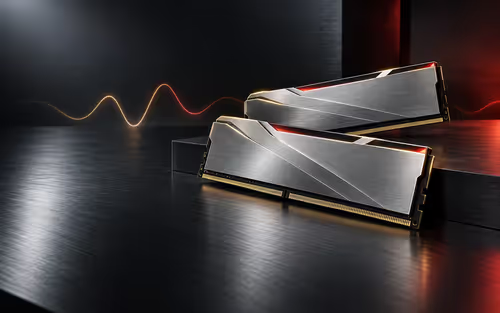
Random Access Memory (RAM) has its own compatibility rules. Today, the main two types are DDR4 and DDR5. A motherboard will support one or the other—never both. Trying to force a DDR5 stick into a DDR4 slot will not work and could damage your hardware. When looking at new arrival components, always double-check which DDR version the motherboard and RAM kits use.
Quick Compatibility Check ⚡
Before you buy, use a tool like PCPartPicker to get a preliminary compatibility check. It's great for flagging major issues like CPU motherboard mismatches. However, always cross-reference the final list with the detailed specifications on Evetech's product pages for 100% certainty, especially for case clearance and RAM speeds.
Power and Space: PSU and Case Considerations
Once the core components are sorted, you need to make sure you can power them and house them properly. This is a crucial step in your PC component compatibility SA guide.
Calculating Your Power Needs
Your Power Supply Unit (PSU) is the heart of your PC, pumping electricity to every part. If it's too weak, your system will be unstable and crash under load, especially during intense gaming. Add up the power draw (TDP) of your CPU and GPU, then add another 100-150W for other components and headroom. It's always better to have a little more power than not enough, especially if you're grabbing one of the powerful GPUs from our trending deals.
Will It Fit? The Case & GPU Check
Modern graphics cards are massive. It's a classic builder's mistake: buying a top-tier GPU that's physically too long to fit inside the chosen case. Every case specification lists a "Maximum GPU Length." Compare this number to the length of the graphics card you want to buy. A few millimetres can make all the difference! ✨
Finding Smart Tech Deals Without the Headache
The best way to ensure PC component compatibility is to plan carefully. Use the tips above to create a list of parts that you know will work together. This way, you can confidently hunt for bargains. You can often find fantastic value on slightly older, but still powerful, hardware in our clearance deals, allowing you to build a killer rig without breaking the bank. A little research upfront saves a lot of Rands and frustration down the line. 🚀
Ready to Build with Confidence? This PC component compatibility guide for SA gives you the power to choose wisely. Now, put that knowledge to work. Explore our massive range of PC components and start assembling the rig you've always dreamed of.