Stutter in games on a Ryzen 7 9800X3D build is unexpected from one of the best gaming CPUs, so the cause almost always sits elsewhere: drivers, memory speed, or storage. Check frame pacing, not the chip.
Quick Answer
Stuttering on a Ryzen 7 9800X3D build rarely comes from the CPU. Look at the GPU driver, EXPO memory speed, and shader compilation. Clean-install the driver, enable EXPO for DDR5-6000, and let shaders finish on a second run. With those settled, the 9800X3D delivers excellent, smooth 1% lows.
Enable EXPO and clean the driver
The 9800X3D's gaming strength depends on fast memory, so confirm EXPO is enabled and the kit runs at DDR5-6000; running at base speed hurts 1% lows and causes stutter. Then clean-install the GPU driver to clear corrupt files. These two steps address the most common stutter causes on an otherwise excellent gaming platform.
Let shaders settle and feed from fast storage
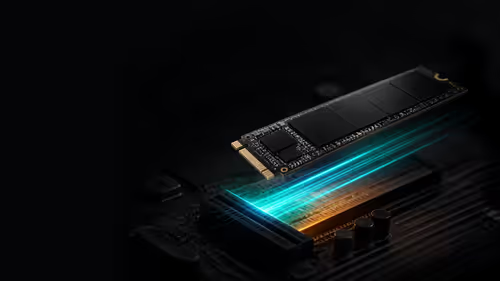
First-run stutter while shaders compile is normal; run a scene twice before judging it, and clear stale shader caches after a driver update. Confirm the game runs from a fast NVMe drive, since loading assets from slow storage causes hitching. With memory at full speed and a clean driver, the 9800X3D rarely stutters.
FAQ
Why would the best gaming CPU stutter?
It usually does not; the cause is elsewhere. A slow memory profile, a driver fault, or shader compilation are far more likely than the 9800X3D itself.
Does memory speed affect stutter on this chip?
Yes. The 9800X3D benefits from DDR5-6000, and running memory at base speed hurts 1% lows. Enable EXPO for smoother frame pacing.
How do I clear shader stutter?
Run the same scene twice so shaders finish compiling, and clear stale shader caches after driver updates. Persistent stutter then points to drivers or storage.
Enable EXPO and clean-install the driver first. If slow storage is causing load hitches, compare fast NVMe drives at Evetech to feed the 9800X3D.