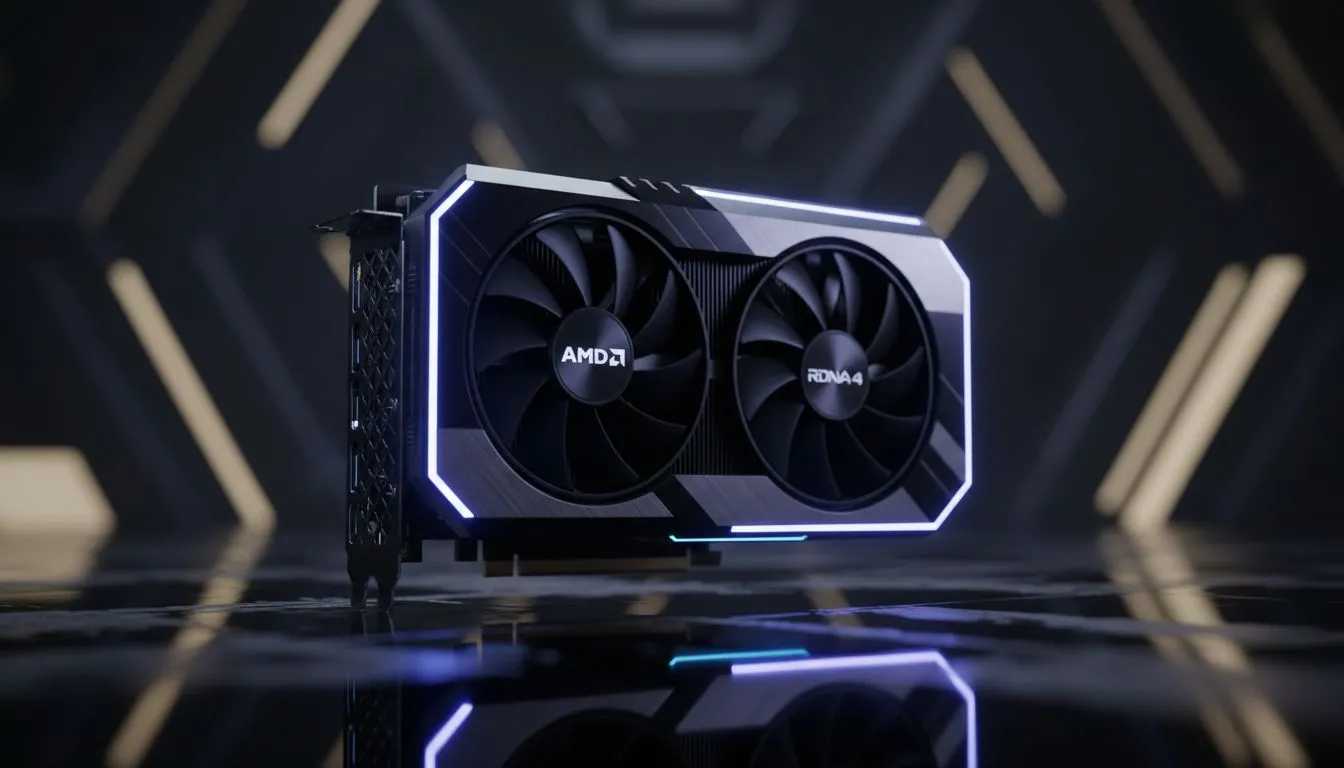
South African PC gamers have seen some wild price swings lately. With RDNA 4 on the horizon, the conversation is shifting from raw power to pure value. If you are looking to build a new rig in Jozi or Cape Town, understanding AMD's new strategy is essential. RDNA 4 promises to shake up the mid-range market, focusing on what matters most for your frame rates.
Understanding the Shift in AMD RDNA 4 Architecture
The upcoming release marks a significant pivot for Team Red. Instead of chasing the ultra-expensive enthusiast crown, the focus is now on the "sweet spot" of gaming. This means better performance for the majority of users who do not want to spend R30,000 on a single component. Browsing for new graphics cards can be daunting right now... but this new architecture aims to simplify that choice by offering high frames at 1440p without the premium tax.
AMD is leaning into their Radeon Graphics Cards legacy of value. They are moving away from the complex multi-chiplet designs seen in high-end RDNA 3 parts for now. This should result in lower manufacturing costs and better yields. For us in South Africa, that usually translates to more stable local pricing when stock hits the shelves.
Why Ray Tracing is Getting a Major Boost
One of the biggest criticisms of previous generations was ray tracing performance. The AMD RDNA 4 Architecture is set to address this directly with brand-new hardware blocks. These dedicated accelerators are designed to handle complex lighting calculations more efficiently than ever before. 🚀
While many look toward GeForce Graphics Cards for high-end ray tracing, AMD is closing the gap significantly. You can expect smoother reflections and more realistic shadows in titles like Cyberpunk 2077 or Alan Wake 2. This focus on "feature parity" means you won't feel like you are missing out on modern visual tech just because you chose a more affordable card.
Power Management Tip ⚡
When building a PC in South Africa, always consider the total system power draw. RDNA 4 aims for better efficiency, which means you might not need a massive 1000W power supply. This saves you money on the initial build and reduces the strain on your UPS or inverter during load shedding.
The Impact on the South African Gaming Market
Local gamers are incredibly price-conscious. We want hardware that lasts and performs well in our unique climate. Partners like MSI will likely offer custom cooling solutions for these chips, ensuring they stay cool during a hot Durban summer. 🔧
The shift toward efficiency is also a major win. Modern AMD RDNA 4 Architecture is expected to deliver higher performance-per-watt. This is crucial for keeping temperatures down and ensuring your system remains stable during long gaming sessions. Whether you are climbing the ranks in Counter-Strike 2 or exploring open worlds, the focus on reliability is a welcome change.
What to Expect at Launch
We expect to see cards that target the R8,000 to R15,000 price bracket initially. This is where most South African gamers live. By focusing on this segment, AMD can provide a massive upgrade path for those still rocking older RX 5000 or GTX 16-series cards. ✨
The move to faster GDDR7 memory is another potential highlight. This will provide more bandwidth for high-resolution textures, making 4K gaming more accessible to the mainstream. It is an exciting time to be a PC enthusiast in South Africa as the competition heats up. 🚀
Ready to Find Your Perfect Match?
The GPU landscape is evolving, but finding the right balance of performance and price is key for South African gamers. Explore our massive range of graphics cards and find the perfect hardware to power your next victory.