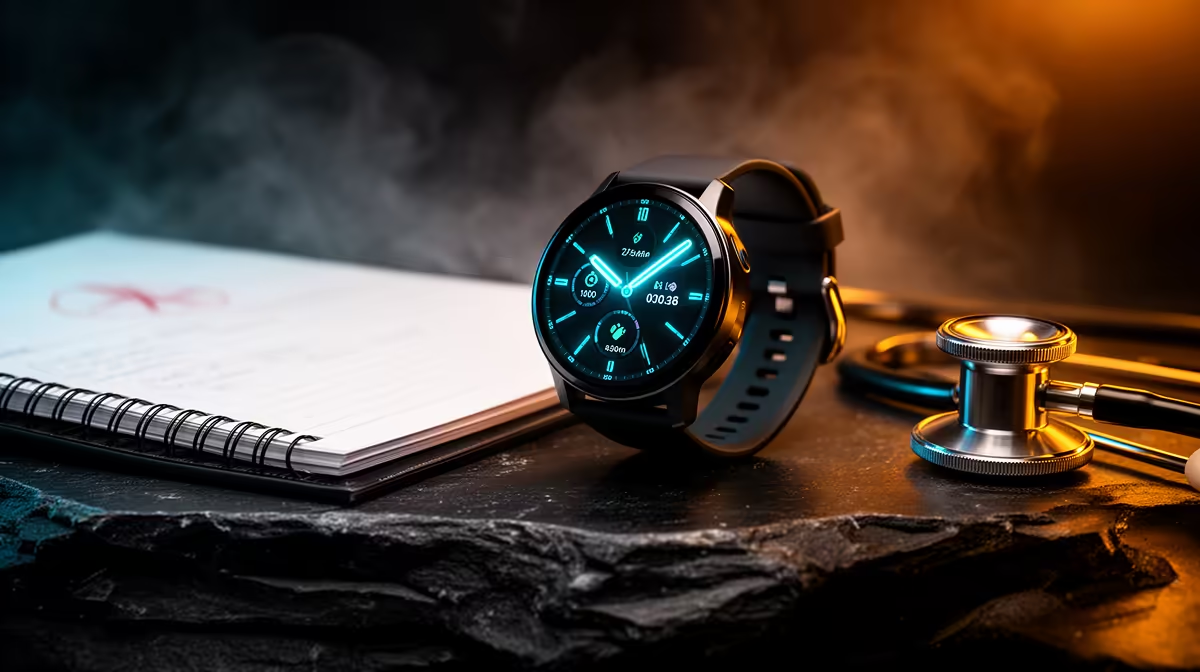
A fitness smartwatch is often overkill for a nursing student unless activity tracking, timers and discreet personal notifications will be used consistently. It cannot replace a phone, clinical equipment or institution-approved communication tools. The supplied factpacks do not verify a smartwatch, so compatibility, update support and current pricing need a live check.
Separate personal convenience from clinical use
List the features that matter outside placement: alarms, calendar reminders, exercise tracking and phone notifications. Confirm Android or iPhone compatibility, battery duration, charging method and promised software support. A device needing daily charging may be unavailable when the student expects it most. Check whether required apps show useful information without exposing private messages on the wrist.
Clinical environments can restrict jewellery, recording, wireless devices or personal notifications. Follow the facility and university rules rather than assuming a watch is permitted. Never use consumer health readings for diagnosis or patient decisions. Keep patient names, schedules and clinical images off personal wearable notifications. A simple analogue or digital watch may satisfy timekeeping rules more safely.
Borrow a compatible watch for a week if possible and track which functions genuinely save time. Buy one when it supports personal routine without distracting from study or placement. If the phone already handles reminders and the main problem is battery life or organisation, improve those habits first. The right student purchase is dependable and policy-compliant, not the wearable with the longest feature list.
Organising a nursing-study setup? > Verify wearable rules first, then compare suitable student laptops with Evetech.