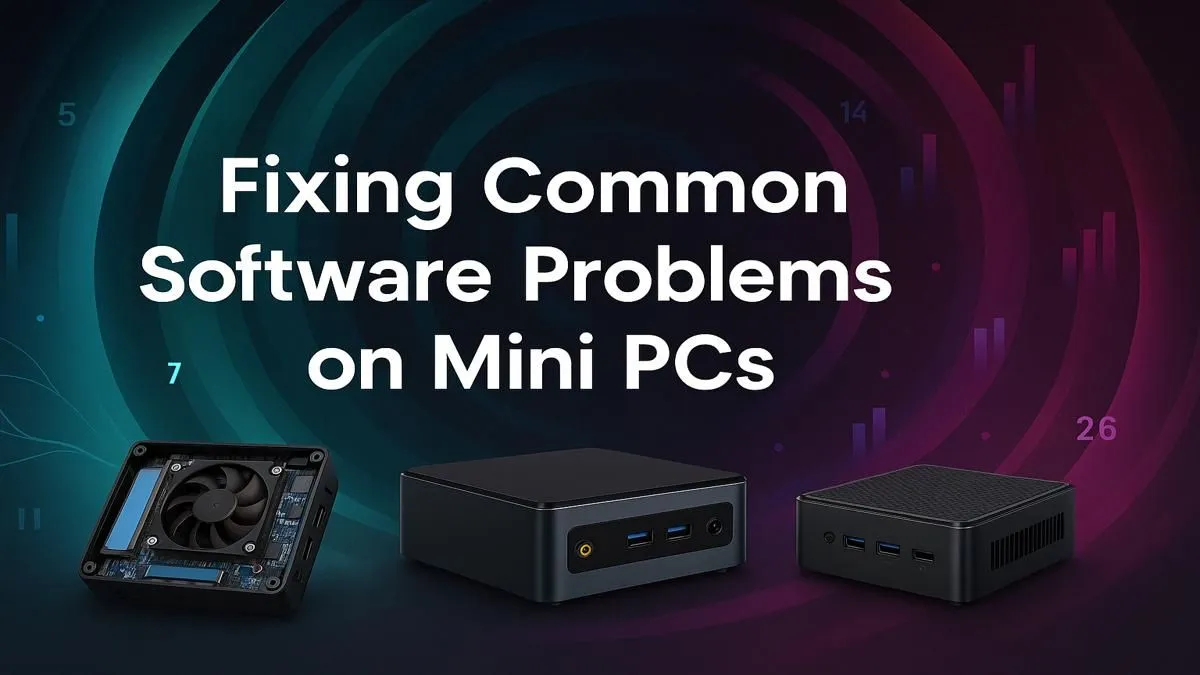
Your Mini PC is a powerhouse in a tiny package, perfect for a clean setup in your Mzansi home office or gaming den. But what happens when software gremlins strike? A sudden slowdown, a blue screen, or a stubborn app can ruin your flow. Don’t panic... most software issues are fixable with a bit of know-how. This guide covers common Mini PC troubleshooting steps to get you back in the game, fast. 🚀
Start with the Basics: The Universal Fixes
Before diving into complex diagnostics, let's cover the essentials. These simple steps solve a surprising number of software problems and should always be your first port of call when troubleshooting a Mini PC.
First, the age-old classic: restart your computer. A simple reboot can clear temporary files and resolve minor conflicts that cause performance issues.
Next, check for updates. Make sure your operating system (like Windows 11) is fully up-to-date. Microsoft frequently releases patches that fix bugs and security vulnerabilities. The same goes for your graphics drivers from NVIDIA, AMD, or Intel. Keeping them current is crucial for stable performance, especially in gaming.
Common Mini PC Software Problems and Solutions
If the basics didn't work, it's time to dig a little deeper. Here’s how to tackle some of the most frequent software issues you might encounter.
Sluggish Performance or Freezing
Is your PC suddenly running slower than a Telkom landline installation? Unresponsive programs and system freezes often point to resource-hogging applications.
Press Ctrl + Shift + Esc to open the Task Manager. Look at the CPU, Memory, and Disk columns to see what’s using the most resources. If you see a program you don't recognise using a lot of power, it might be malware. Run a full scan with Windows Defender or your preferred antivirus software.
Often, the culprit is just too many apps launching at startup. You can manage these in the "Startup" tab of the Task Manager. Disabling non-essential programs can dramatically speed up your boot time and improve overall responsiveness. Even the most powerful barebone Mini PCs can get bogged down by bloated software.
Application Crashes or Not Responding
When a specific application keeps crashing, the problem usually lies with the app itself or a corrupted system file it relies on. A quick fix is to simply uninstall and then reinstall the problematic program.
If that doesn’t help, it's time to check the integrity of your system files. You can do this by opening Command Prompt as an administrator and running the command sfc /scannow. This tool scans for and repairs corrupted Windows files. Whether you're running demanding creative software or the latest games on your favourite Mini PC, this command is a powerful troubleshooting tool.
Backup Before You Begin! 💾
Before attempting major software fixes like a system reset, always back up your important files to an external drive or cloud service. This ensures that even if the troubleshooting goes wrong, your precious documents, photos, and game saves are safe. It’s a simple step that can save you a massive headache later.
Advanced Mini PC Troubleshooting Steps 🔧
If you've tried everything and the software issues persist, it might be time for a more drastic measure: a system reset. This is the ultimate fix for stubborn software problems caused by deep-rooted corruption.
Windows has a built-in "Reset this PC" feature. It gives you two main options:
- Keep my files: This reinstalls Windows but keeps your personal documents, photos, and other files. It will, however, remove your installed applications.
- Remove everything: This performs a clean installation of Windows, wiping the drive completely. It's the most effective option for eliminating persistent issues.
A fresh OS install can make your machine feel brand new. For many users with a reliable Mini PC under R22,000, it's the final step to restoring peak performance. This process is the core of effective Mini PC software troubleshooting when all else fails. ✨
Tired of Troubleshooting? Maybe It's Time for an Upgrade.
While these software fixes can work wonders, sometimes the best solution is a fresh start with a reliable, modern machine. Explore our incredible range of Mini PCs and find a compact powerhouse built to perform flawlessly right out of the box.