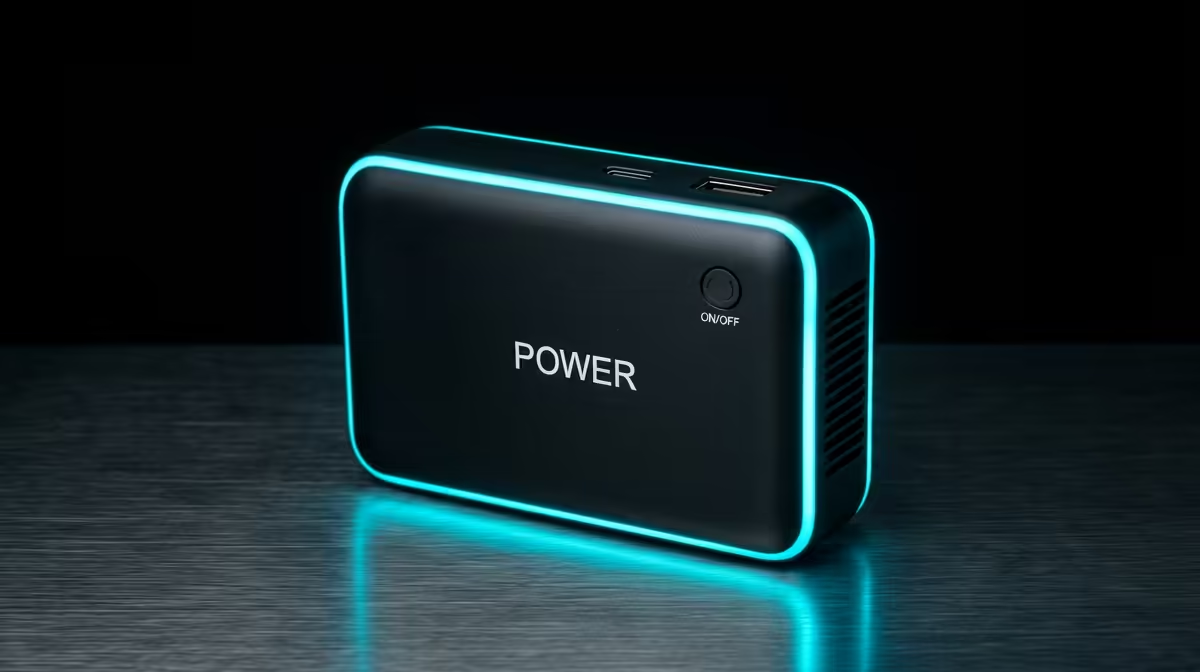
A power bank is useful for an engineering student who regularly runs out of phone, tablet or laptop power away from a socket. It is the wrong purchase when its output cannot meet the device’s charging protocol or the extra weight means it stays at home. Start with the devices and timetable.
Calculate one realistic day
List each device, battery size, charging connector and required wattage. Decide whether the goal is one emergency phone refill or sustained laptop use between lectures. Laptop charging usually requires explicit USB-C Power Delivery support and a suitable output, so verify the exact computer specification.
No verified power-bank SKU or price is included in the supplied product facts. Check current Evetech availability and compare rated capacity, usable output, port sharing, charging protocols, included cable, size, cell protections and warranty. Treat large printed capacity figures carefully because conversion losses reduce delivered energy.
Use a cable rated for the required power. Keep the battery away from direct sun, liquids and loose metal objects, and stop using it if the casing swells, leaks or becomes unusually hot. Follow current carrier rules before travelling with any battery pack.
Choose the smallest reputable model that completes the measured day with reserve. If the laptop needs more output than portable options provide, carrying its charger and planning socket access may be safer and lighter.
Adding portable student power? > Check Evetech power banks for verified output, protocol and device compatibility.