Quick Answer
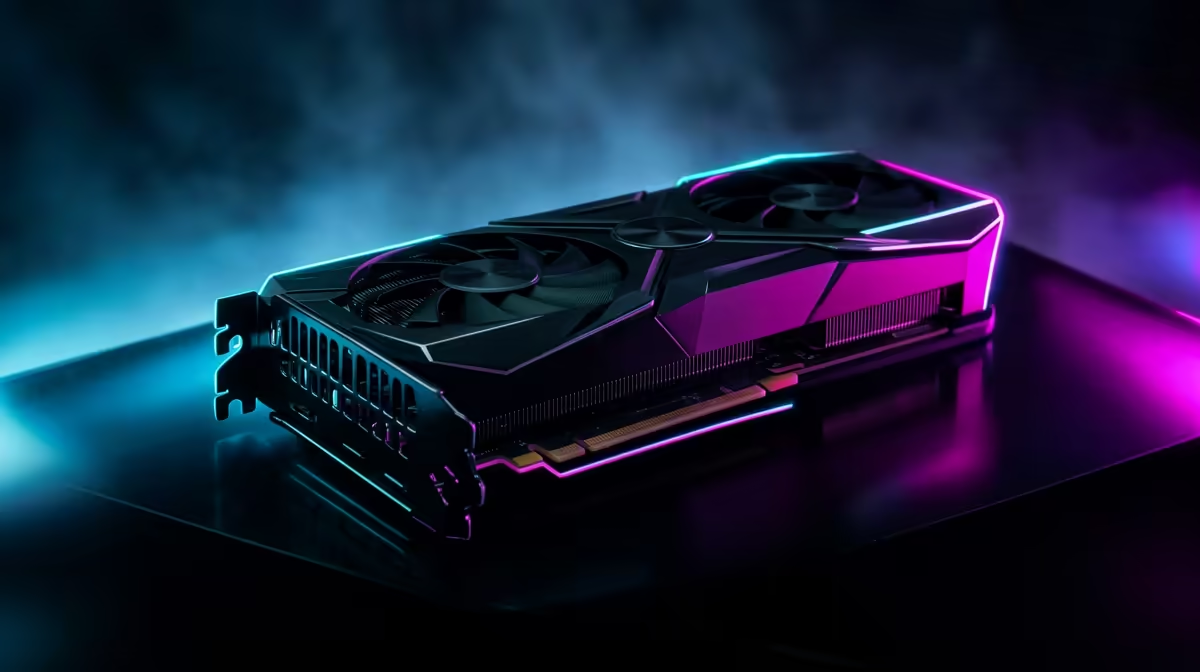
For SA esports players the RTX 5090 is the wrong tool: esports titles like Valorant, CS2 and Overwatch 2 run at hundreds of fps on far cheaper cards, so the 5090's power goes unused. A mid-range GPU paired with a high-refresh monitor delivers better competitive value.
Why Esports Does Not Need A Flagship
Competitive shooters are built to run on modest hardware so they reach the widest audience. At 1080p competitive settings, titles like CS2 and Valorant push 300-500+ fps on a mid-range card, which already saturates a 240Hz or 360Hz panel. The 5090 would produce frames your monitor cannot display, making its extra power irrelevant to your competitive performance.
What actually wins esports games is low input latency, high stable frame rate and a fast monitor, none of which require a flagship GPU.
Where The Budget Should Go
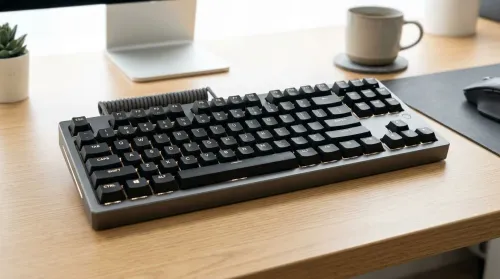
For competitive play, put money into a 240Hz or 360Hz monitor, a low-latency mouse and keyboard, and a CPU strong enough to feed high frame rates, since esports is often CPU-bound. A mid-range GPU finishes the job. If you also play heavy AAA titles at 4K, that is the only case where a stronger card matters, and even then a tier below the 5090 usually suffices.
FAQ
Is an RTX 5090 worth it for esports?
No. Esports titles already exceed your monitor's refresh on mid-range cards, so the 5090's power is wasted. The budget is better spent on a fast monitor and peripherals.
What matters most for competitive gaming?
A high-refresh monitor (240Hz+), low input latency and a strong CPU to sustain high frame rates. Esports is often CPU-bound, so the GPU is rarely the limit.
What GPU should an esports player buy instead?
A mid-range card that comfortably pushes 300+ fps at competitive settings. Pair it with a 240Hz or 360Hz panel and fast peripherals for the real competitive edge.
spend on a 240Hz+ monitor and a strong CPU first. A mid-range GPU already exceeds your screen's refresh, so a flagship adds frames you cannot see.