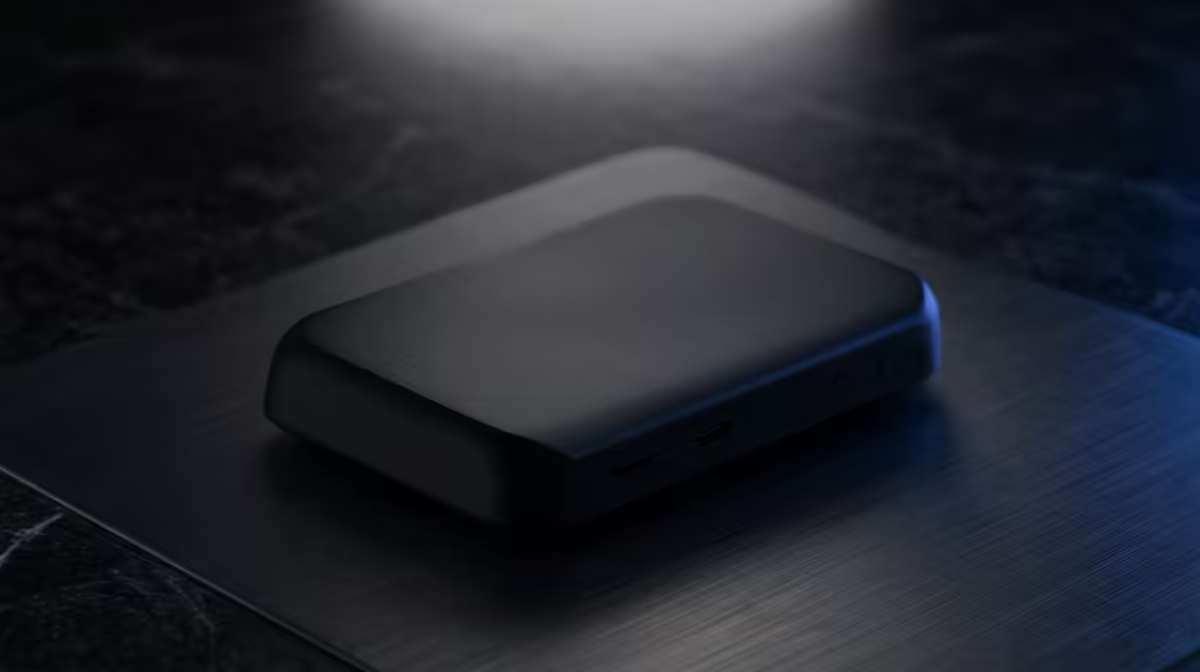
The MINISFORUM UM750L at R4,600 gives a self-hosted app computer verified Ryzen 5 performance, 16GB, 1TB and Windows 11 Pro. The available factpacks do not verify a smart light kit for this server project. Lighting can show server status only when the software integration is secure and dependable; it should never replace logs, alerts or a tested recovery process.
Build the service platform first
The GEEKOM A8 Max at R12,900 provides a verified Ryzen 9 mini PC with 32GB and 1TB for heavier local services and more virtualised workloads.
The Cudy WR6500H at R1,394 supplies confirmed Wi-Fi routing with a 2.5G feature for compatible devices. The WD Blue SN5000 2TB NVMe SSD at R1,684 adds verified storage for a supported custom host.
Treat smart lighting as an optional client
Run the apps for a week, track memory and storage growth and configure secure remote access before adding home automation. If a light kit is sourced elsewhere, give it a separate restricted account and design the service so a bulb failure cannot hide a server fault. Use email or another approved alert path for important events. Back up configuration and application data away from the host, then rehearse recovery after a restart.
Put home-automation devices on restricted access and rotate default credentials before linking them to a hosted service.
Building a reliable home app host? > Give Evetech the services, users and storage growth.