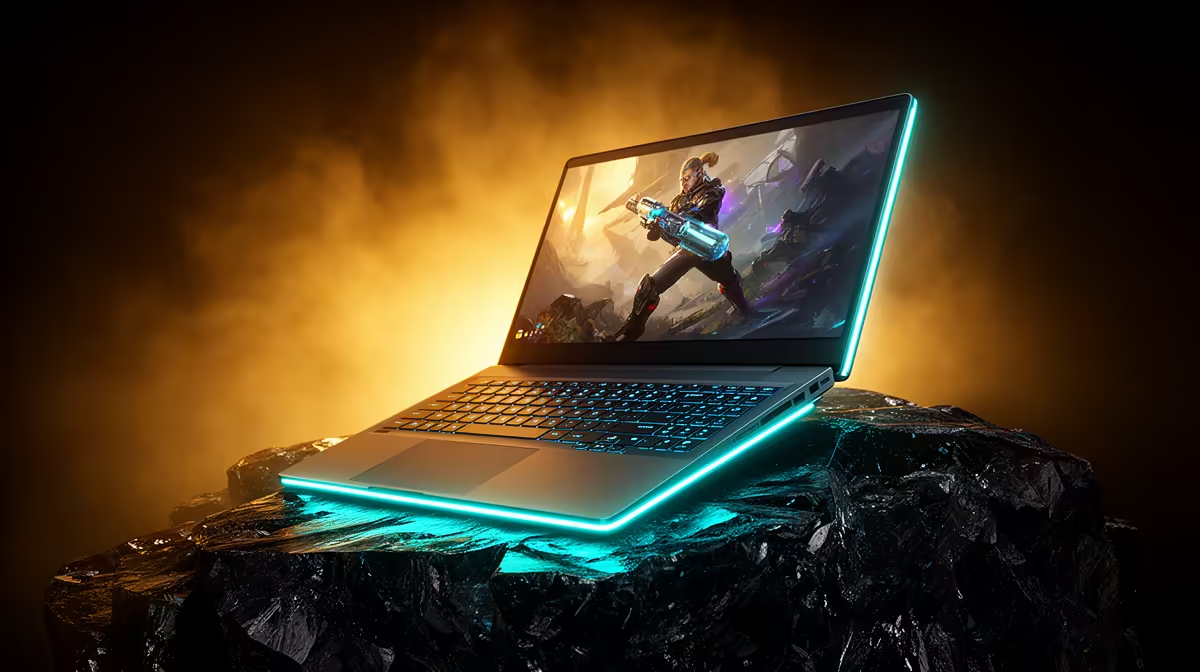
A R7,500 add-on ceiling can make laptop streaming easier to hear, connect and operate. It cannot turn a weak mobile CPU or GPU into a desktop-class gaming system. Start with a close microphone and wired network, then add ports, display and cooling only when the exact laptop supports them.
Quick Answer
Measure the laptop under the real game and OBS scene. Spend first on the failing path: microphone for distant voice, Ethernet for network stability, a powered dock for port shortage, or a stand for posture and intake clearance. A cooling pad helps only when its airflow reaches useful vents and the laptop is heat-limited. Price named July 2026 products inside the cap.
Use Evetech's streaming essentials to compare audio, docks and controls. The webcam selection gives you a fixed camera option after testing the laptop's own camera or phone.
Test the Laptop First
Run the game, OBS, camera, microphone and browser sources for thirty minutes. Log CPU, GPU, memory, temperatures and clock behaviour.
Read OBS network drops, render lag and encoding lag. Each points towards a different fix.
Test on wall power with the maker's performance mode and charger. Do not block intake vents.
First Fix: Clear Audio
Laptop microphones sit far from your mouth and close to fans and keyboard. A headset mic or USB mic used close can improve the voice-to-noise balance.
Choose placement before capsule price. Add an arm or small stand only when it reaches mouth height.
Record the fan at idle and full stream load. A close dynamic-style mic can make a hot laptop easier to live with.
Second Fix: Stable Networking
Use built-in Ethernet when available. A supported USB or dock Ethernet adapter can add a wired path.
Test sustained upload, jitter and packet loss. A dock cannot improve a poor provider route.
Keep the adapter on a stable USB bus and avoid a loose cable across the chair.
What a Dock Adds
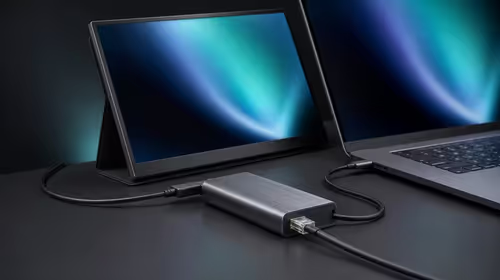
A dock can add USB, display outputs, Ethernet and charging. The laptop port must support those features.
USB-C shape does not guarantee Thunderbolt, DisplayPort or enough power. Check the exact laptop and dock specifications.
Count bandwidth across capture cards, cameras, storage and Ethernet. One cable can become the bottleneck.
HDMI and External Display
An external monitor can give OBS, chat and the game separate space. It can also add GPU work.
Check output resolution, refresh, HDR and whether the port connects to integrated or discrete graphics. Test game frame time with the display attached.
Use the laptop panel as a second screen before buying another monitor when the desk allows it.
Cooling Stand Reality
Raise the rear to improve intake and posture, using a stable stand that does not cover vents. A powered pad helps when its fans align with the laptop's intake.
Measure temperature and sustained clock before and after. A cooling stand cannot repair dried thermal material, dust blockage or an undersized cooling design.
Keep cables out of fans and clean filters according to the maker's guidance.
Memory and Storage Limits
Check whether RAM is soldered or upgradeable. Streaming, game, browser and camera can exhaust a small memory pool.
Local recording needs SSD space and sustained write speed. Use an external SSD only through a stable fast port and secure cable.
Add capacity when the measurement proves it. A dock does not create memory.
Built-In Speakers or Headphones
Use headphones to avoid game audio feeding back into the microphone. Direct mic monitoring can help with voice level.
Laptop speakers can serve casual monitoring and are poor beside a live mic in the same room.
Set a safe headphone level and keep stream mix separate from what the laptop volume buttons change.
Build the R7,500 Basket
List microphone and mount, dock or adapter, network cable, stand, monitor only if required, and storage. Attach a rand number only to the matching product in the approved snapshot and date it to July 2026.
The title figure is a cap, not a promise that all add-ons fit. Finish the first proven fix before adding another.
Keep one port free for recovery or a direct capture connection.
Know When the Laptop Is Finished
If the CPU or GPU cannot hold the game and OBS after hardware encoding and sensible settings, peripherals have reached their limit.
Stream lighter content, reduce resolution or plan a stronger machine. Do not stack more docks around a performance fault.
A laptop can be a long-term stream station when it passes heat, port and frame-time tests.
Draw the Port Topology
Sketch every device and the laptop port it uses. Mark which USB-C socket carries charging, display output or a dock, and which high-bandwidth devices share that path.
Capture cards and external SSDs can compete when placed behind one dock. A microphone uses less bandwidth and can still suffer if the hub loses power or resets.
Test direct connections first, then add the dock. This order reveals whether a fault belongs to the device, cable, port or shared hub.
Label the working cable and port once the layout passes. You should be able to rebuild the same path after packing the laptop away.
Keep one free port for recovery and avoid adapters hanging from another adapter.
Improve the Working Position
Raising the laptop can improve intake and bring the screen closer to eye level. It also makes the built-in keyboard harder to use.
Add an external keyboard and mouse only when the stand changes the posture. Place the microphone so the new keyboard does not sit directly in its sensitive direction.
An external monitor can become the main view while the laptop panel holds chat and OBS. Check that the screen arrangement does not force the neck to turn through the whole show.
The best add-on basket should make the station easier to operate for two hours, not merely add more ports.
FAQ
Does a cooling stand help?
Only when it improves intake or posture and the laptop is heat-limited. Measure temperature and sustained clocks.
Will a dock handle all streaming gear?
It can when laptop and dock support the features and total bandwidth. Check every device on the shared path.
Which add-on comes first?
The one tied to the measured failure. For many laptops, close audio or wired networking creates the first clear gain.
Stress the laptop with the full OBS scene, spend the R7,500 ceiling on its first measured audio, port, network or heat limit and test again.