Quick Answer
Soweto gamers and content creators can order studio microphones from Evetech with delivery to Soweto in 2–3 business days. USB streaming microphones start at around R1,200, while professional XLR studio condensers like the Audio-Technica AT2020 (R2,800) and Rode NT1 (R4,500) are also available for creators ready to invest in audio quality.
USB Microphones: Best for Most Soweto Streamers
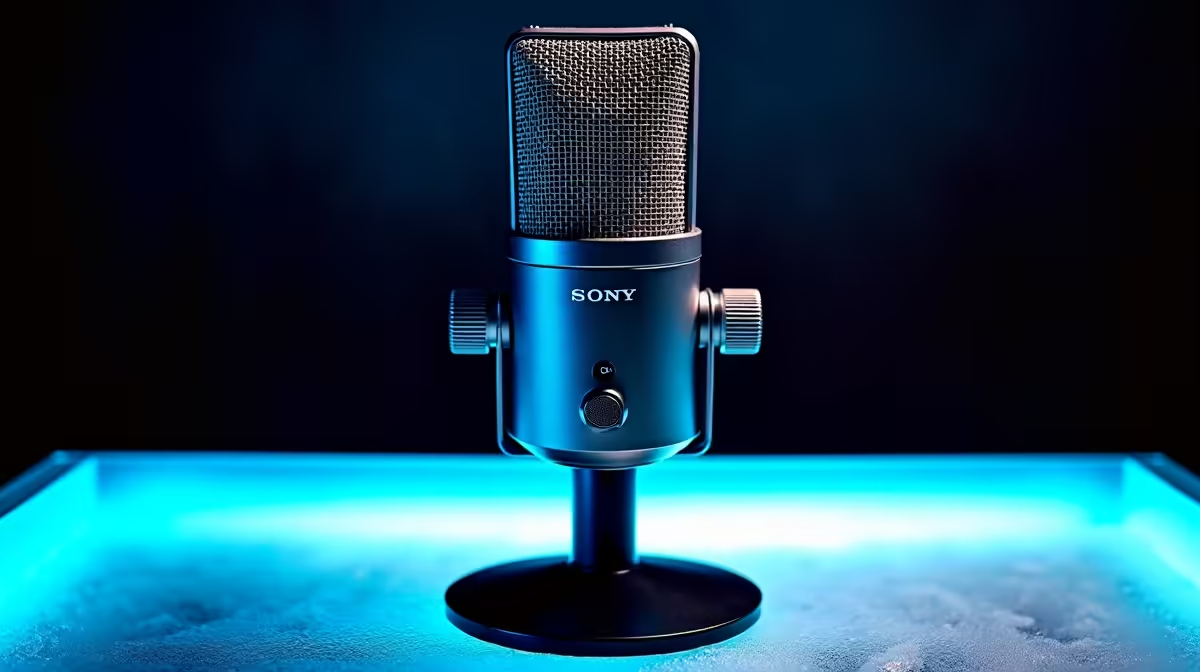
USB microphones are plug-and-play — no audio interface needed. The HyperX SoloCast (R1,200) is the entry point: USB cardioid condenser with tap-to-mute and clear voice reproduction for streaming and Discord. The Blue Yeti (R3,500) adds multiple polar patterns (cardioid, bidirectional, omnidirectional) for podcast interviews and room recording scenarios. For a Soweto streamer starting on a budget, the R1,200–R1,800 USB range is the most practical starting point.
XLR Microphones and Audio Interfaces
XLR microphones require a separate audio interface to convert the analogue signal to USB. This adds cost — the Focusrite Scarlett Solo (R2,200) is the standard entry interface for SA creators. An AT2020 XLR (R2,800) plus Scarlett Solo (R2,200) gives you a R5,000 recording chain that produces professional broadcast-quality audio. The Shure SM7B (R9,500) plus a stronger interface is the choice for serious streaming personalities or podcasters.
Room Treatment for Soweto Home Studios
Many Soweto homes have hard tile or concrete floors and plaster walls with minimal acoustic treatment. Recording in this environment without any treatment adds audible room reverb to voice. DIY fixes include recording inside a closet with hanging clothes (free), adding a reflection filter behind the mic (~R500–R800), or placing a foam acoustic panel on the wall behind the recording position. Even basic treatment markedly improves audio clarity.
FAQ
What is the best streaming microphone under R1,500 in SA?
The HyperX SoloCast (~R1,200) delivers cardioid polar pattern, USB plug-and-play, and a tap-to-mute button that is genuinely useful during live streams. It records clean voice audio without background noise bleeding from keyboards and fans at standard desk distances (15–25 cm).
Do I need an audio interface for streaming in Soweto?
Only if you use an XLR microphone. USB microphones connect directly to your PC. An audio interface becomes valuable when you want higher dynamic range, phantom power for condenser XLR mics, or real-time monitoring through headphones. Start with USB if budget is a consideration.
How does the Rode NT1 compare to the AT2020 for voice recording?
The Rode NT1 (~R4,500) has a self-noise of 4.5 dB(A) — one of the quietest studio condensers available — versus the AT2020's 20 dB(A) self-noise. In a quiet, treated space, the NT1 captures more air and detail in vocals. In an untreated Soweto home environment, the practical difference is smaller because room noise exceeds the self-noise gap.
microphone on a desk arm (boom stand) rather than a fixed desk stand — this lets you position the mic at ideal mouth distance (10–20 cm) and angle without cluttering desk space with a heavy base.