Quick Answer
Wood panel PC cases are a niche aesthetic product that prioritises warmth and organic visual character over the industrial look of steel or aluminium. All-metal cases are structurally more durable, better at absorbing vibration, and more widely available in South Africa. Wood panel cases suit display builds and office environments; metal cases suit daily gaming use, LAN transport, and rack proximity.
Aesthetic Philosophy: Wood vs Metal Finishes 🎨
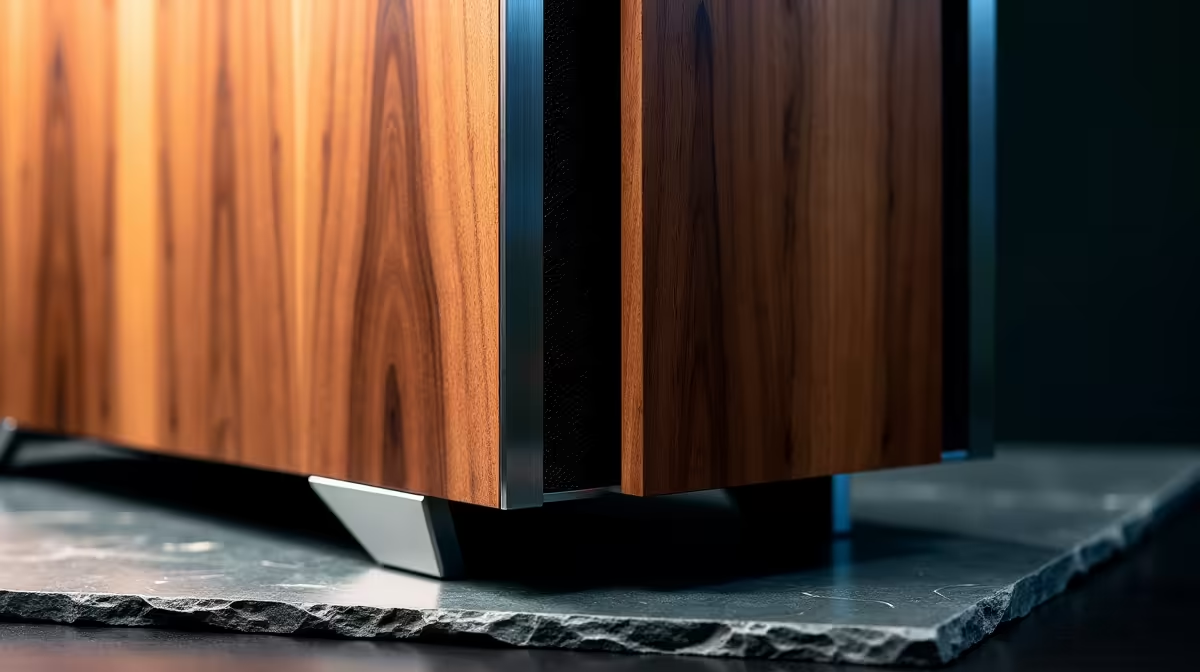
All-metal cases dominate the PC market because steel and aluminium are easy to machine, paint, and mass-produce. Brushed aluminium cases have a premium, understated look; steel cases with powder coating offer countless colour options. Wood panel cases use real wood veneer or treated bamboo panels bonded to a metal frame, producing a warmth and grain texture that no painted finish replicates. Brands like Lian Li and boutique case makers have produced wood panel variants that blend metal chassis with wood side or front panels. For an SA home office or creative studio where the PC doubles as part of the room decor, a wood panel case creates a distinctive visual statement.
Durability and Structural Integrity 🛡️
All-metal cases, particularly those using 0.7mm to 1.2mm SPCC steel, are robust against impacts, scratches, and flex. Aluminium cases are lighter (1.5mm aluminium at equivalent rigidity to 1.0mm steel) and resist corrosion in coastal environments like Durban or Cape Town where humidity is higher. Wood panel cases introduce a material that reacts to humidity: wood expands and contracts as relative humidity changes. In SA's coastal regions, seasonal humidity swings can cause wood panels to warp marginally over years. Proper sealing and finishing reduces this risk significantly, but it remains a long-term consideration that metal cases avoid entirely. For a build that stays in a stable, climate-controlled interior, the durability gap narrows substantially.
Sustainability Considerations 🌿
All-metal cases require mining and smelting of raw materials, processes with significant energy and environmental cost. Aluminium in particular is energy-intensive to refine, though aluminium is infinitely recyclable. Wood panel cases, when sourced from certified sustainable forestry (look for FSC certification), can be a lower-carbon option per unit if the wood is reclaimed or plantation-grown. Bamboo variants, where bamboo is used as the panel material, regenerate in three to five years versus decades for hardwood, making them a more sustainable option. Neither case type is definitively green, but for SA consumers interested in environmental impact, a bamboo or FSC-certified wood panel case represents a more considered choice than a virgin-aluminium alternative.
Protect Wood Panels in High-Humidity Rooms ⚡
If you have a wood panel case in a coastal SA city like Durban or Cape Town, apply a thin coat of beeswax or furniture wax to the exposed wood surfaces twice a year. This seals the grain against humidity and prevents the minor warping that can occur in rooms that swing between 40 and 85 percent relative humidity seasonally.
FAQ
Are wood panel PC cases available from local SA retailers?
Wood panel cases are stocked less frequently than all-metal options due to lower demand and higher production cost. Check current availability at Evetech as stock varies.
Can wood panel cases handle the heat from a high-TDP gaming build?
Yes. Wood panels are typically on the exterior of the chassis and do not contact the internal hot air path. Internal temperatures are determined by airflow and fan layout, not the exterior panel material.
Do wood panels add significant weight to a PC case?
A thin wood veneer panel adds 0.5kg to 1.5kg depending on thickness. This is noticeable but not significant for a build that stays in one place.
Looking for a unique case for your build?
Evetech carries PC cases across a wide range of styles, materials, and price points. Check the current range and find a chassis that matches your build aesthetic and functional needs.