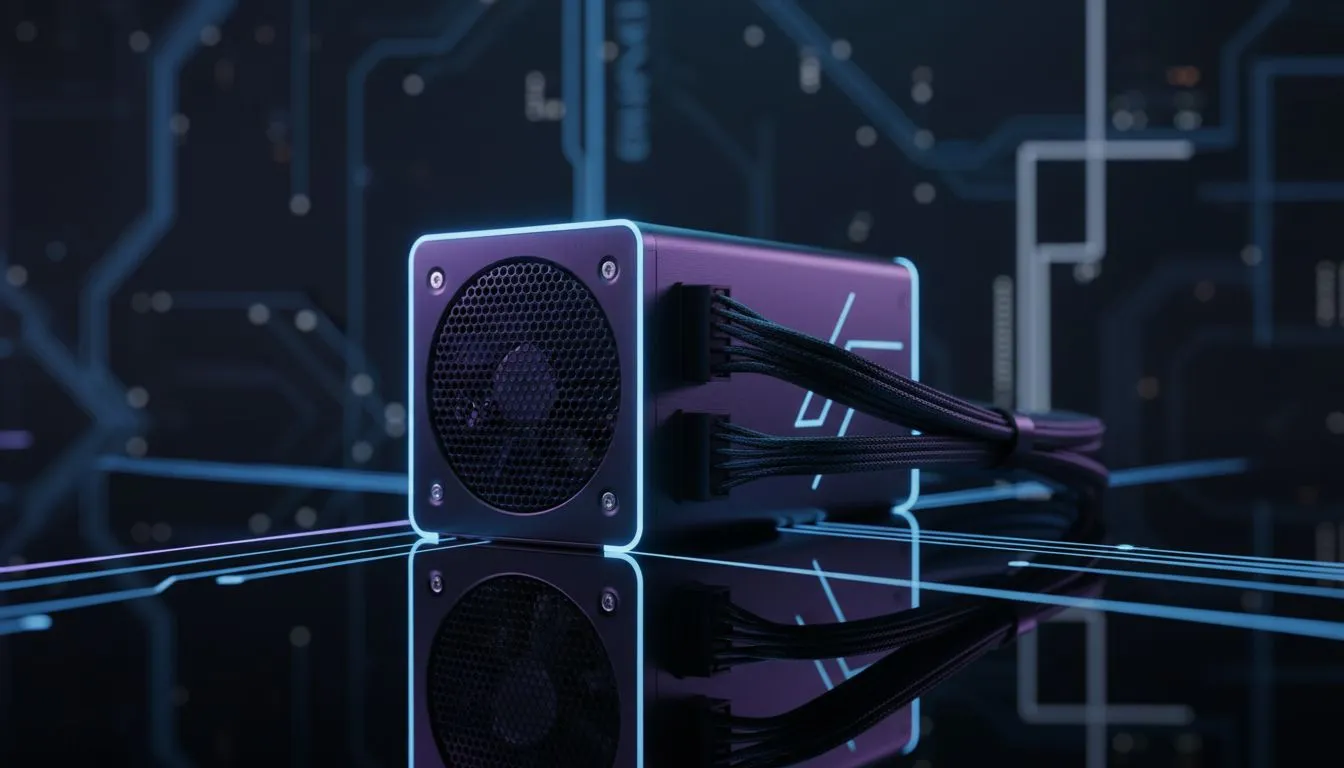
You’ve spent weeks picking the perfect CPU and GPU. You’re ready to push your silicon to its absolute limit, chasing those extra frames and benchmark scores. But then, under heavy load, your system stutters… or worse, crashes completely. 💀 Before you blame your other components, look at your rig's unsung hero: the power supply unit. Finding the best PSU for overclocking isn't just about high wattage; it's about delivering clean, stable power when it matters most.
Why Your Stock PSU is a Bottleneck
Pushing your components beyond their factory settings creates intense, unpredictable power demands. A standard power supply, designed for baseline performance, simply can't keep up. This is where overclocking hopefuls run into trouble.
The biggest issue is voltage ripple—tiny fluctuations in the power being delivered. For a standard PC, this is rarely a problem. But for a finely-tuned, overclocked system, even minor instability on the 12V rail can lead to system freezes, blue screens, and data corruption. It’s the difference between a stable, high-performance machine and a very expensive, very frustrating paperweight. Investing in one of the many available high-quality power supplies is the first step to building a reliable overclocking rig.
Core Features of the Best PSUs for Overclocking
When you're shopping for a power supply unit capable of handling serious stress, a few key specifications separate the contenders from the pretenders. Don't just look at the total wattage; dive a little deeper.
Rock-Solid Voltage Regulation
This is paramount. The best PSUs for overclocking maintain incredibly tight voltage regulation, often within 1-2% of the target (e.g., 12V). This ensures your CPU and GPU receive a consistent stream of clean power, even during the most demanding transient loads—those split-second spikes in power draw that occur during intense gaming or rendering tasks.
Premium Internal Components
Look for PSUs that proudly mention 105°C-rated Japanese capacitors. Why? Because overclocking generates more heat inside your case, and these high-quality components are built to last under thermal stress. Cheaper capacitors can degrade quickly, leading to increased voltage ripple and eventual failure, potentially taking your other expensive components with them. It's worth exploring options from reliable manufacturers, including brands like GAMDIAS, that prioritise build quality.
Wattage Wisdom ⚡
Always use a reputable online PSU calculator to estimate your power needs, then add 20-30% headroom. This buffer accounts for component degradation over time and the intense, unpredictable power spikes that happen during heavy overclocking, ensuring your system remains stable when you push it the hardest.
High Efficiency is a Must 🚀
An efficient PSU wastes less energy as heat. This is crucial in an overclocked build that already runs hotter than average. The 80 PLUS certification is your guide here. While Bronze is a good start, Gold, Platinum, or even Titanium ratings are ideal for a top-tier overclocking rig. A more efficient PSU not only saves you a bit on your electricity bill but also runs cooler and quieter, contributing to overall system stability. You can easily browse units with various 80 PLUS efficiency ratings to find one that fits your budget and performance goals.
A great power supply is the foundation of a great PC. For overclocking, it's non-negotiable. It protects your investment, enables maximum performance, and gives you the peace of mind to push your hardware to its true potential. ✨
Ready to Unlock True Performance?
An unstable overclock is a frustrating waste of potential. The best PSUs for overclocking provide the clean, reliable power your high-end components crave. Don't let a weak power supply hold your rig back. Browse our huge range of high-performance PSUs and build a rig that’s truly ready to be pushed to its limits.