Dropping into a hot zone in Helldivers 2 should feel like an epic cinematic experience... not a frustrating slideshow. If you are experiencing sudden hitches while fighting for Super Earth, your hardware might be hitting a wall. Many South African players find that Helldivers 2 VRAM demands are surprisingly high. When those high textures exceed your card's capacity, the dreaded stutter begins. Is it time to lower settings or upgrade? 🚀
Why High Textures Lead to Stuttering
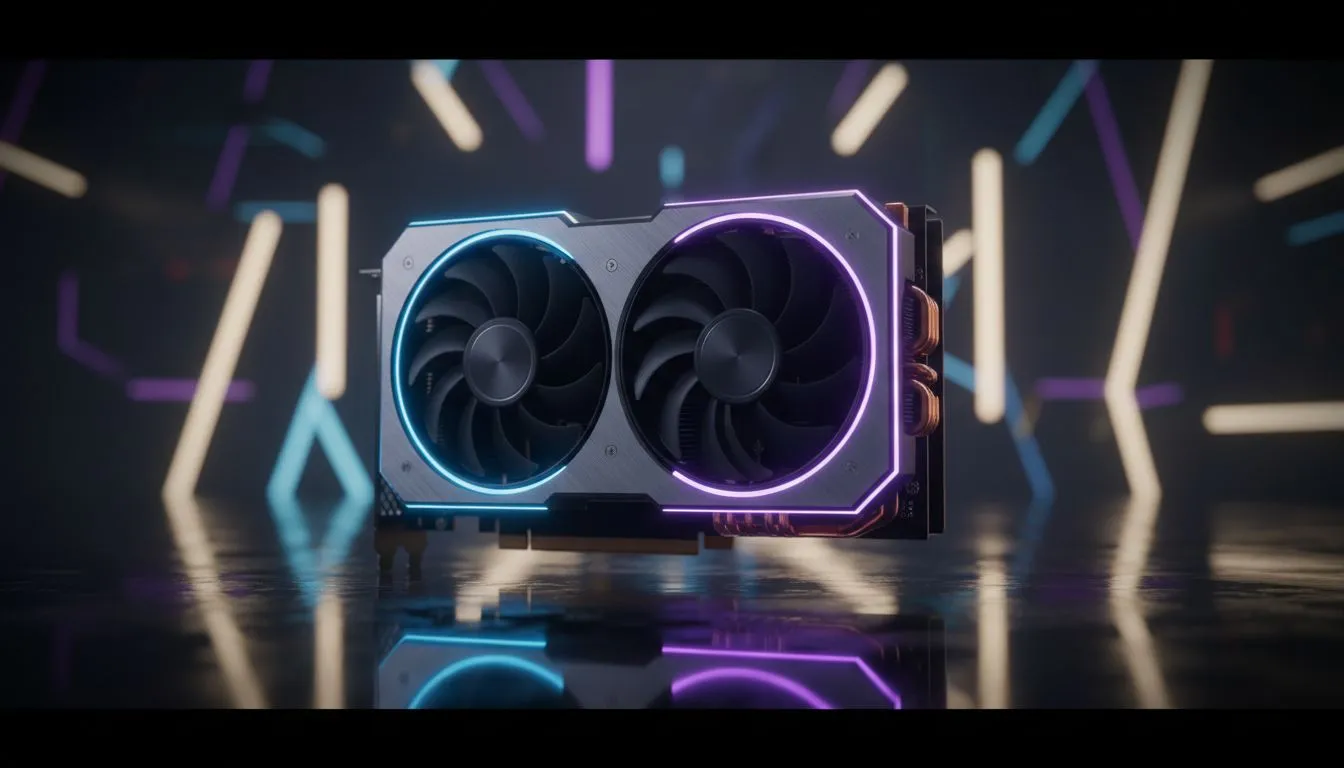
When you set your textures to 'Ultra' or 'High', the game loads massive amounts of data into your Video RAM. If your card only has 8GB of memory, it might overflow when the action gets intense. This forces your PC to fetch data from your slower system RAM... and that is exactly where the stutter comes from. Choosing the right NVIDIA and AMD graphics cards with enough headroom is the first step to maintaining a smooth 60 FPS in the heat of battle.
Finding the Sweet Spot for Performance
For many local gamers, thermal throttling can also play a role in performance dips during a Cape Town summer. Brands like MSI offer robust cooling solutions that help maintain stable clocks even when VRAM is nearly full. Checking out the latest MSI graphics cards can give you the thermal stability needed for those long sessions on Helldive difficulty.
If you are on a tighter budget, do not ignore the newer players in the market. The Intel Arc graphics cards have been receiving massive driver updates that specifically improve how they handle memory allocation in modern titles like Helldivers 2. ⚡
Helldivers 2 Performance Tip ⚡
Lowering 'Texture Quality' by just one notch from Ultra to High often eliminates micro-stutter without a noticeable loss in visual quality on a 1440p monitor. Also, ensure 'Space Quality' is set to medium to save extra VRAM for the chaotic bug fights on the ground.
Professional Grade or Pure Gaming Value?
Some South African enthusiasts combine their gaming with heavy 3D content creation or video editing. In those specific cases, looking at workstation graphics cards might be an option for the massive memory buffers they provide, though they are rarely the first choice for pure gaming.
However, for most of us, pure gaming value is the ultimate goal. This is where Team Red often takes the lead in the VRAM wars. You can frequently find better VRAM-to-ZAR ratios when you buy AMD Radeon graphics cards which usually pack 12GB or 16GB of memory even in their mid-range models. Having that extra buffer ensures that high textures never cause a stutter, no matter how many orbital strikes are raining down. ✨
Optimising Your Managed Democracy
Stuttering is more than just an eyesore... it can be the difference between a successful extraction and a failed mission. By balancing your texture settings or ensuring your GPU has the VRAM capacity to handle the load, you can keep your gameplay fluid. Remember to keep your drivers updated and monitor your VRAM usage using in-game overlays to see if you are hitting your limit. 🔧
Ready to Find Your Perfect Match?
The battle for VRAM is real, but with the right hardware, you can enjoy Helldivers 2 exactly as the developers intended. Explore our massive range of graphics card specials and find the perfect GPU to upgrade your gaming experience today.