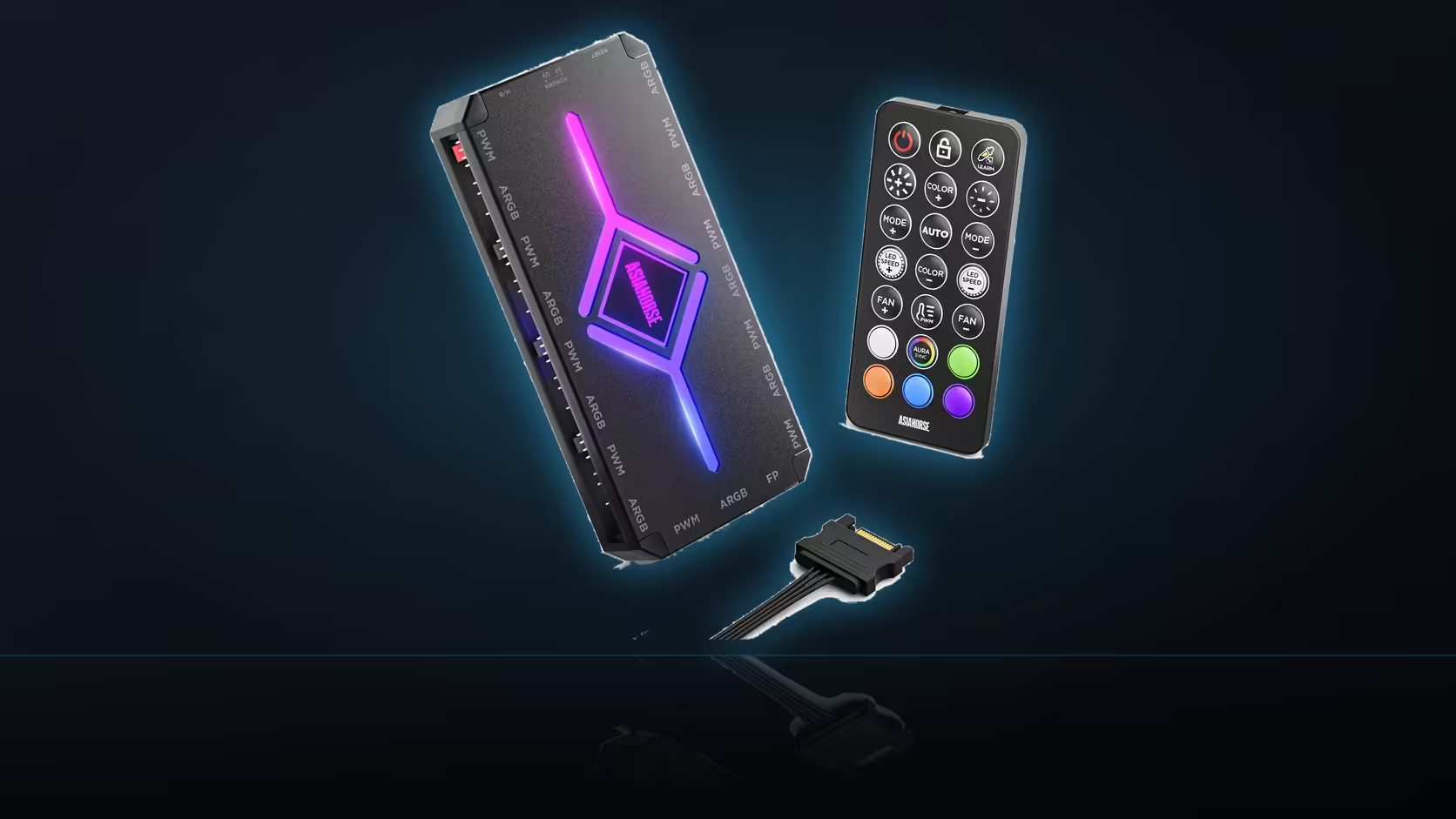
Wiring a case full of fans usually means running out of motherboard headers before you run out of fans, and that is exactly the gap the ASH-S1 closes. AsiaHorse built it as a single SATA-powered hub with two separate banks of nine ports: nine four-pin PWM fan headers on one side, nine 5V 3-pin addressable headers on the other. Instead of daisy-chaining fans off two or three board headers and hoping the splitters hold, every fan and every strip gets its own port.
Quick Answer
The ASH-S1 sells for R349 and gives you nine PWM fan ports plus nine 5V ARGB ports from one SATA-powered hub, rated for up to 377 LEDs across the lit side. It ships with a remote carrying ten speed, ten brightness and ten effect settings across 20 presets, plus Color-Learning, auto-temp and motherboard-sync modes. It carries a 1 Year Local Warranty. The product page is currently hidden while trial stock is arranged, so there is no confirmed date to buy it yet.
🔌 Two banks, one connector to the PSU
Most case fan hubs split their ports between fan and lighting duty on the same rail, which caps how many of each you can actually run. The ASH-S1 keeps the two jobs apart: nine PWM headers for fans, nine 5V addressable headers for lighting, with the whole board drawing its own power straight from a SATA connector rather than a motherboard header. That means the fan bank does not compete with the lighting bank for current, and neither competes with your board's own header budget.
🎛️ Remote control instead of software-only tuning
The bundled remote handles speed, brightness and effect selection without opening any app: ten steps of fan speed, ten steps of brightness, and ten effect variations spread across 20 stored presets. Three control modes sit behind those buttons - manual remote control, an auto-temp mode that reacts to case conditions, and a motherboard-sync mode that hands lighting control back to your board's own RGB software when you want everything running from one place.
🧲 Fitting it without extra screws
A magnetic mount is built into the back of the unit, so it sits against any steel surface inside the case without drilling or adhesive. That is useful for a hub you may want to reposition once cabling is finalised, since it lifts off and moves rather than leaving screw holes behind.
For fans this can go alongside, Evetech's case fan range covers the PWM side, and the NZXT fan controller listing is worth a look if you are comparing hub options before deciding. Case choice matters here too, since the mount needs a steel panel to grip.
Frequently Asked Questions
How many ports does each bank hold?
Nine on each side: nine four-pin PWM fan ports and nine 5V 3-pin addressable lighting ports, kept as separate banks.
How is the hub powered?
Over a SATA connection from the power supply, which is what allows it to drive more than a board header could.
What lighting capacity does it have?
The description rates it for up to 377 LEDs in total across everything connected to the addressable side.
Is a remote included?
Yes, with ten speed, ten brightness and ten effect levels across twenty presets, plus Color-Learning, auto-temp and board-sync modes.
How does it mount?
A magnetic mount snaps it to any steel panel, so no screws are needed to fix it in place.
Does it replace board control?
It can, or it can follow the board through its sync mode, which is one of the three modes listed.
Ready to plan out your case wiring?
Browse Evetech's case range to find a build with the steel panels and cable space a hub like this needs.