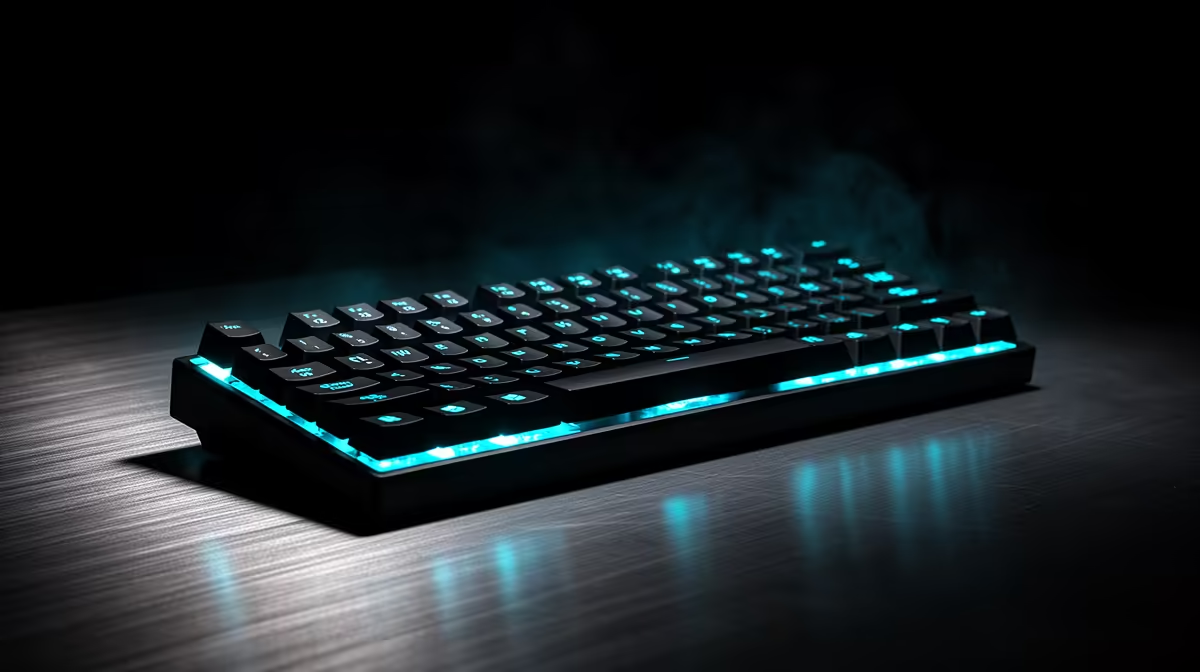
This is a head-to-head buying decision, tkl versus 60%, framed for a real South African budget rather than a spec-sheet ideal.
Quick Answer
For the average build, tkl is the smarter first spend, with 60% as the situational upgrade. The honest split is roughly 70/30 in favour of the cheaper, higher-impact option, so spend there first and revisit the other once your budget allows. Expect a clear difference of at least 20 percent in the area that matters before paying the premium.
When it is genuinely worth it
There are clear cases where it pays off: heavy daily use, a specific competitive need, or a build that is otherwise complete. Outside those, the budget tends to stretch further elsewhere.
Where the money goes furthest
Put your first rand where the difference is felt every day. A mechanical keyboard only earns its price once the parts that limit your experience are already handled, so spend on the bottleneck before the luxury.
The South African budget angle
Local pricing means every choice has an opportunity cost. R1,400 spent here is R1,400 not spent on a GPU or monitor, so weigh the swap against what else that money could fix.
Quick recap
Keep the steps above in order, test one change at a time, and only spend money once a single cause is confirmed. For a South African build, a clear diagnosis beats an expensive guess every time.
FAQ
Which is better value, tkl or 60%?
For most builds tkl gives more usable benefit per rand, while 60% only pulls ahead in a specific, demanding case. Start with tkl and upgrade later if your needs change.
Can I switch from tkl to 60% later?
Usually yes, and that is the safer path on a tight budget. Buy the cheaper option now, live with it, and only move up once you can clearly feel the limit.
Does the tkl versus 60% gap really matter?
Only if it changes what you do daily. If the difference is under 20 percent in the thing you care about, the cheaper option is the rational pick.
Pro Tip
Decide on the single biggest frustration in your setup first, then check whether this spend actually removes it.