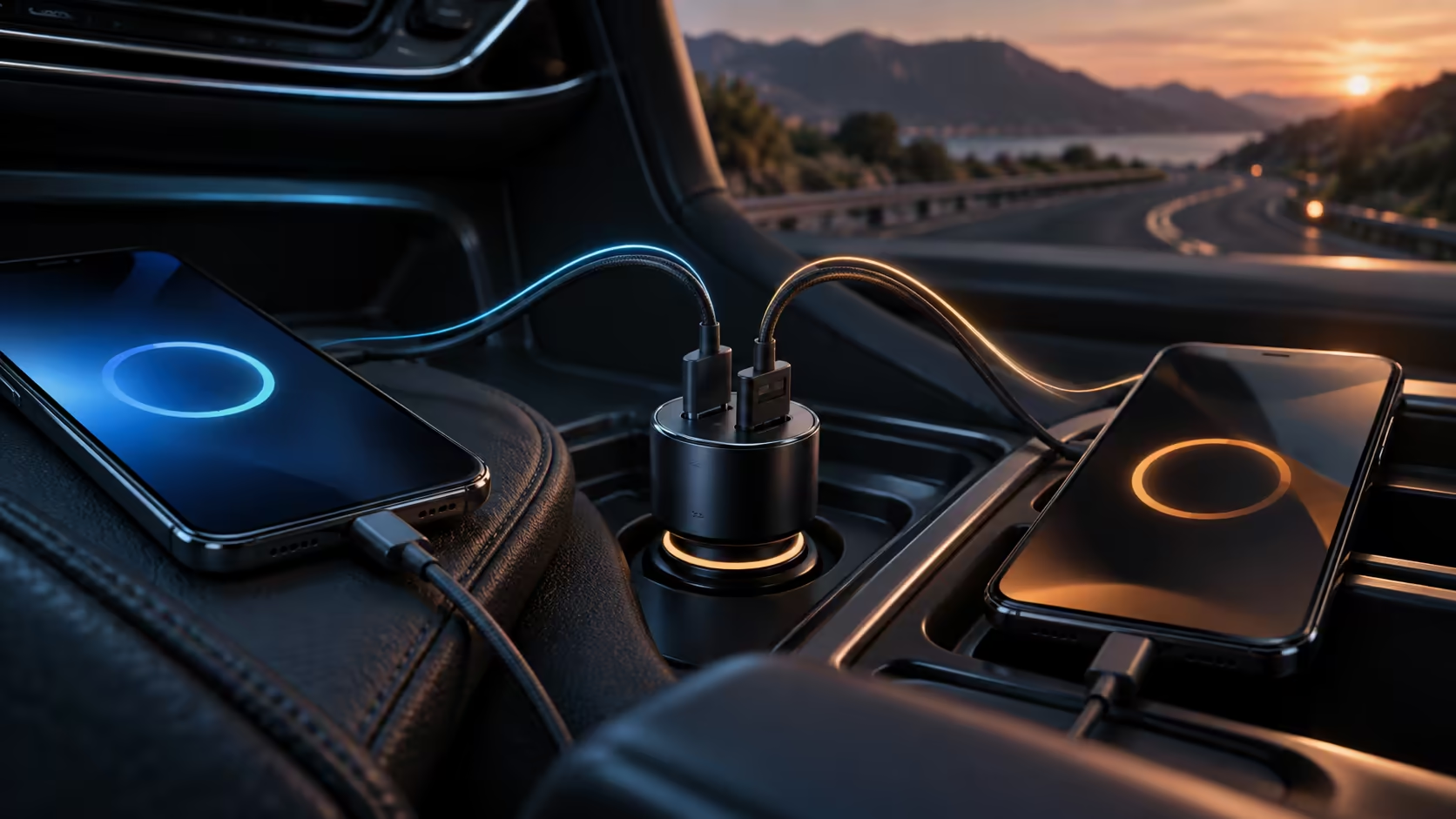
USB-C and USB-A on the same charger are not two flavours of the same thing. They are two different generations of connector carrying two different levels of protocol sophistication, and picking between them for a given device is really about which generation that device belongs to.
Quick Answer
USB-C carries the negotiation modern phones are built around, including PPS on capable models, while USB-A serves anything older or simpler that never adopted the newer connector. On Anker's two-port charger that is a 30W USB-C output with PPS and a separate 22.5W USB-A output, so the choice comes down to which device is doing the heavier lifting on a given trip. The pair costs R349.
🔌 Two connectors, two eras of negotiation
USB-C was built from the outset around a proper digital handshake, using a dedicated Configuration Channel pin to exchange voltage options and current limits before real power flows. That is the foundation both standard Power Delivery and PPS run on, and it is why USB-C ports can offer such a wide, finely adjustable range.
USB-A predates that dedicated negotiation channel entirely. Fast charging over that connector relies on older signalling tricks, applying set voltage combinations across the unused data lines, which get the job done but cap out well below what USB-C's newer approach can reach.
📱 Matching the port to the device
A current flagship phone with USB-C almost always benefits most from the USB-C port, since that is where the full Power Delivery negotiation, including PPS if the phone supports it, actually runs. Putting that phone on the USB-A side instead means missing out on the finer voltage control even if the raw wattage happened to be similar.
An older phone, a basic accessory, or anything still using a USB-A cable is exactly what the second port exists for. It is not a downgrade for that device, since it was never going to use the USB-C side's more advanced negotiation anyway.
⚡ What happens if you put the wrong device on the wrong port
Nothing breaks. A phone with only USB-A hardware plugged into an adapter cable on the USB-C side, where that is even possible, still negotiates whatever the cable and its own hardware allow. The practical effect of a mismatch is simply not getting the best available protocol for that specific device, not any risk to the phone.
For that reason, the sensible default is putting whichever phone needs the most from a charge, the one running navigation, the one with the lowest battery, on the USB-C side, and treating the cable for each port as matched to that connector's own current rating. A sleeved cable built for durability is worth considering for whichever lead sees the most daily wear.
Frequently Asked Questions
Does USB-C always charge faster than USB-A on the same charger?
Usually, since USB-C carries the more advanced negotiation and generally a higher practical ceiling, though the actual speed still depends on what the connected device itself can request.
Can an old USB-A-only phone use this charger safely?
Yes. It simply negotiates whatever basic or fast-charging mode it supports over that port, without needing anything from the USB-C side.
Does it matter which port a power bank uses?
Not much, since most power banks charge at a modest, steady rate that neither port's ceiling meaningfully constrains.
Is there ever a reason to prefer USB-A even with a USB-C-capable phone?
Only if the USB-C side is already occupied by another device and the phone can tolerate the lower USB-A ceiling for that session.
Ready to match the right port to the right device?
Have a look at the car charger range and put your most demanding device on the USB-C side.