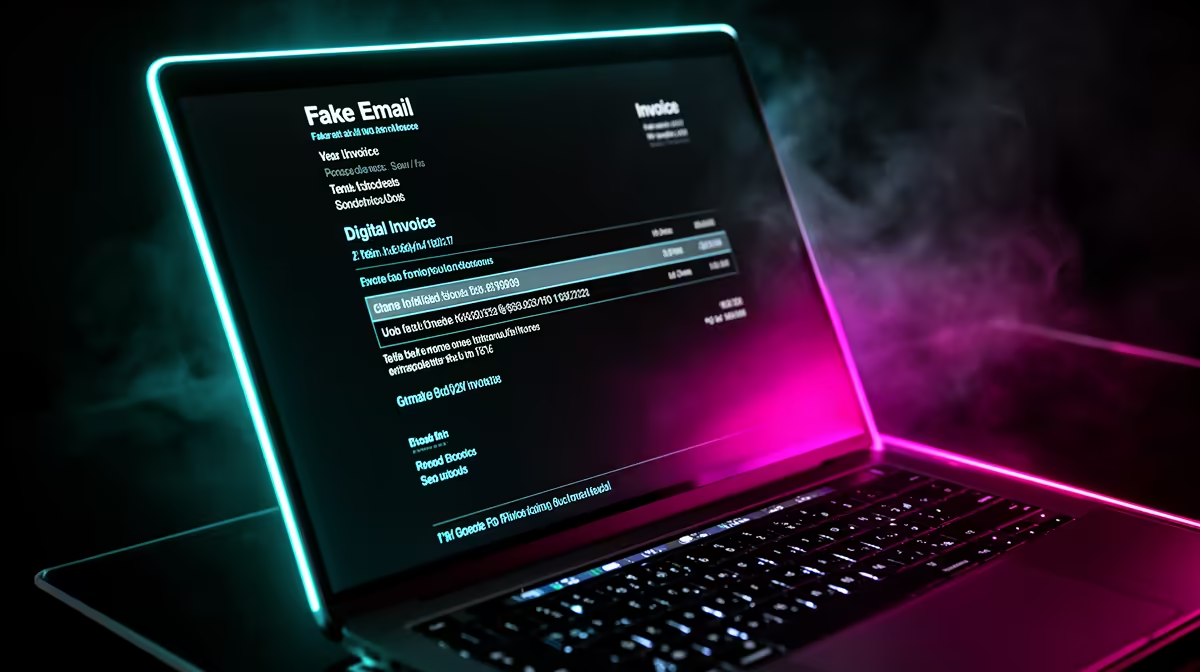
Fake Order Confirmation Emails: The Invoice Scam to Know
Quick Answer
A fake order email copies a retailer's name, layout and invoice language, then creates a problem that demands a click. You may be told to pay a shortfall, confirm delivery, cancel an expensive order or reset your password.
Do not use the links or phone number in an unexpected message. Open the retailer's site or app through your own bookmark, sign in and look for the order there. Contact the business through details published on that site.
The Message Wants a Fast Reaction
An invoice for a gaming PC you never bought can trigger panic. A real order with a fake address can make you rush to fix it.
Pause and read the request. Phishing messages often threaten cancellation, account closure or same-day collection unless you act.
The attachment can carry malware, while a login button can lead to a copied sign-in page. The goal may be your password, card details or a second payment.
Check More Than the Display Name
Email apps show a friendly sender name that anyone can imitate. Expand the full address and inspect the domain character by character.
A correct-looking address still does not prove the content is safe if an account has been compromised. Verify the order in a separate channel.
Hover over links on a computer without clicking. On a phone, avoid long-press previews when you are unsure; open the known site yourself.
Confirm the Order From Scratch
Close the email and use your saved retailer address. Sign in, check order history and compare the order number, product and amount.
If there is no order, report the message through the retailer's published security or support route. If a real order has a problem, resolve it from inside your account.
Never share a one-time code or password with someone who calls about the invoice.
If You Clicked
Close the page and do not enter more information. If you supplied a password, change it through the real site from a trusted device and secure any other account that reused it.
Contact your bank through its official fraud channel if payment details were exposed. Monitor real account activity rather than the warning screen in the email.
Run your normal security scan when you opened an attachment or installed anything. Preserve the message for reporting.
Shop Through a Known Starting Point
Use the local best-seller page or PC best sellers by typing or bookmarking the genuine address, then keep the real order confirmation in your account.
An invoice email is a notification. Your signed-in order history and verified support channel are where you test its claim.
FAQ
Can a fake email look like a real invoice?
Yes. Logos, wording and layouts are easy to copy, so verify the order in the retailer's real site or app.
Should I click an unexpected cancellation link?
No. Open the known retailer site yourself and handle any real order from your signed-in account.
What if I entered my password?
Change it through the genuine site, secure reused accounts, review account activity and report the phishing message.
Treat every surprise invoice as an unverified claim, then open the retailer's known site yourself and confirm the order before you click, call or pay.