Switch to a standing desk and the first surprise is rarely your back. It is your feet and calves, aching after an hour on a hard tile floor that gives nothing back. An anti-fatigue mat is the cushioned pad that fixes exactly that, and on the bare tile and screed floors common in South African homes, it earns its place faster than most desk add-ons.
Quick Answer
An anti-fatigue mat is a thick, cushioned floor pad that encourages tiny, constant leg movements while you stand, easing the strain of standing on hard surfaces. If your home office has tile, concrete or laminate over screed, yes, you need one. Look for around 18 to 25 mm of thickness for the best comfort.
How An Anti-Fatigue Mat Actually Works
Standing still is harder on the body than it looks. When your feet are planted on an unyielding surface, the same muscles hold the same load without relief, and circulation in your lower legs slows. That is what produces the dull ache and tiredness after standing too long.
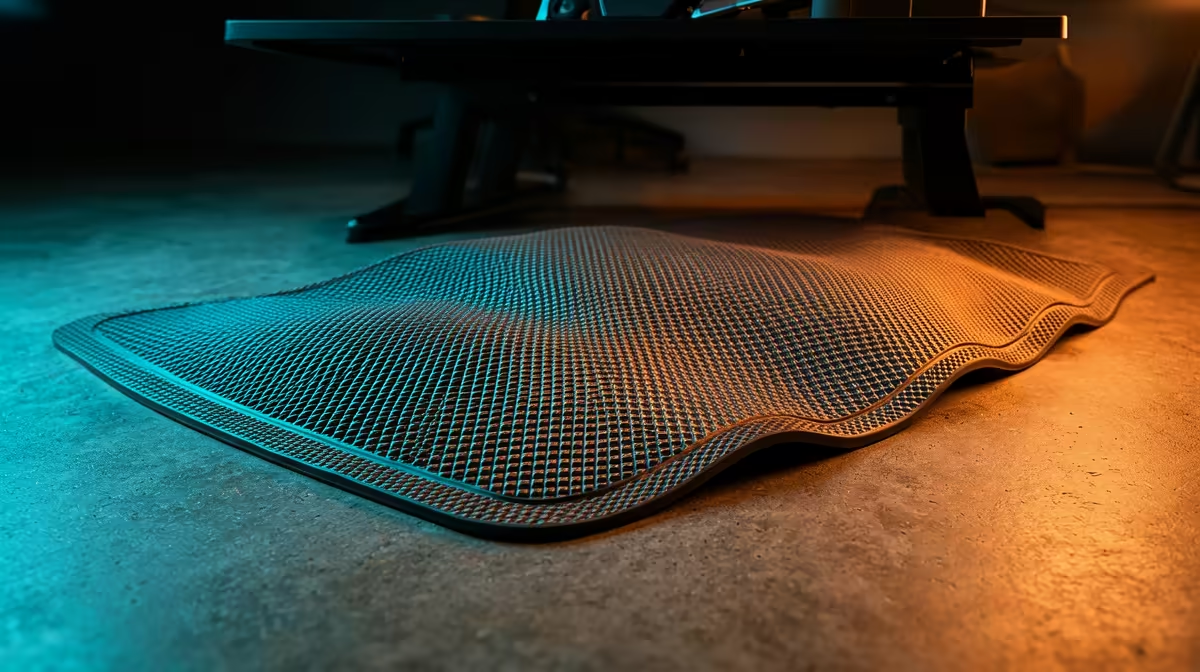
A good mat is slightly soft and springy. It forces your leg muscles to make small, near-constant adjustments to keep you balanced, almost imperceptible shifts in weight. That gentle activity keeps blood moving and spreads the load, which is why a cushioned surface feels so much kinder than tile under the same standing time.
Choosing The Right Mat
Not all mats are equal, and a few specifics matter.
Thickness sits at the top of the list. Too thin and there is no cushioning; too thick and you feel unstable. Roughly 18 to 25 mm hits the comfort sweet spot for most people. Density matters too: a firm, supportive foam holds up far better over months than a soft pad that flattens and stops springing back.
Surface size should let both feet move freely with a little room to shift your stance, and a bevelled edge reduces the chance of catching a toe. For hard SA tile floors, a non-slip base is worth insisting on, since a mat that slides defeats the purpose and adds risk.
Do You Actually Need One
The honest test is your floor and your standing time. On hard tile, polished concrete or laminate over screed, all extremely common in local homes and flats, a mat makes a real difference if you stand for meaningful stretches each day. On thick carpet, the benefit is smaller because the floor already gives a little.
It is not a substitute for the rest of an ergonomic setup. You still want a chair for sitting periods and a screen at the right height. A proper ergonomic desk from the Evetech range handles the standing half of your day, while the mat cushions the floor beneath you, and the two together make standing sessions genuinely comfortable.
If you alternate sitting and standing through the day, which is the healthiest pattern, the mat pays off precisely during those standing blocks. People kitting out a full home office often pair it with the workspace accessories that tend to sell out fastest at Evetech so the whole standing setup is covered from day one.
Frequently Asked Questions
What thickness should an anti-fatigue mat be?
Around 18 to 25 mm suits most people. Thinner mats offer too little cushioning, while very thick ones can feel unstable underfoot. Pair the right thickness with a firm, dense foam that springs back rather than flattening over time.
Do I need an anti-fatigue mat if I have carpet?
The benefit is smaller on thick carpet, since the floor already provides some give. On hard tile, concrete or laminate, which are common in SA homes, a mat makes a clear difference and is well worth it.
Can an anti-fatigue mat replace a good chair?
No. The mat helps only while you stand. You still need a supportive chair for seated periods and a screen at the correct height. The healthiest setup alternates sitting and standing, so both pieces matter.
How long does an anti-fatigue mat last?
A quality dense-foam mat holds its cushioning for years of daily use. Cheaper soft foam can compress and lose its spring within months, so density and build quality decide longevity more than price alone.
A standing setup is only half the comfort equation, so sort the desk half too by browsing the gaming and standing desks at Evetech and build a home office that supports you properly at every height.