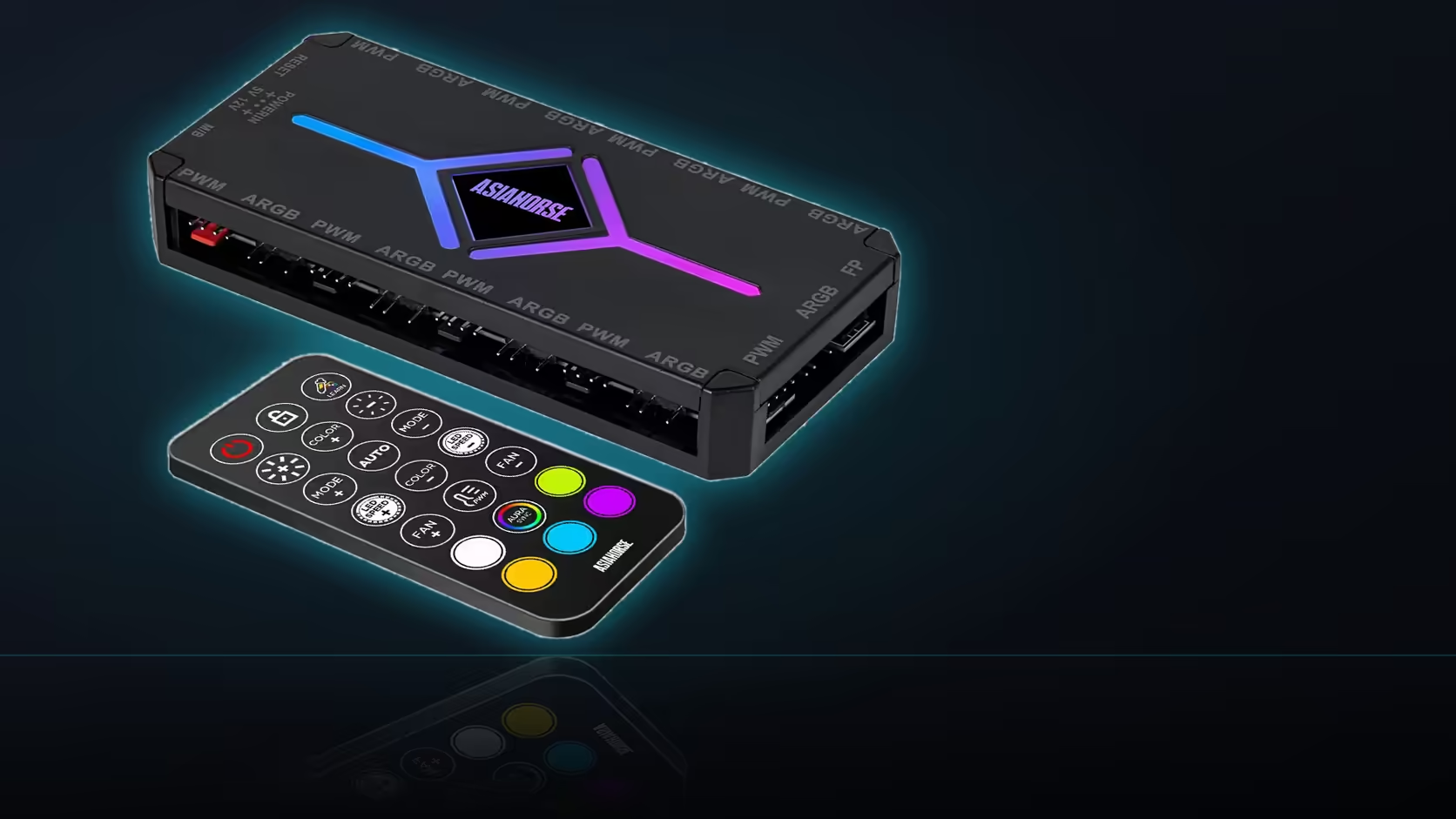
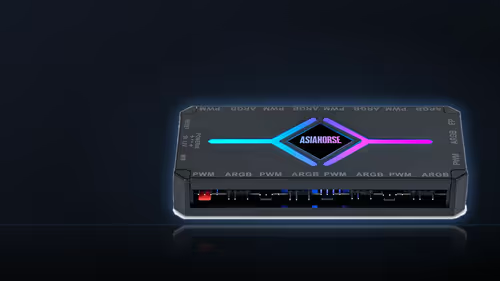
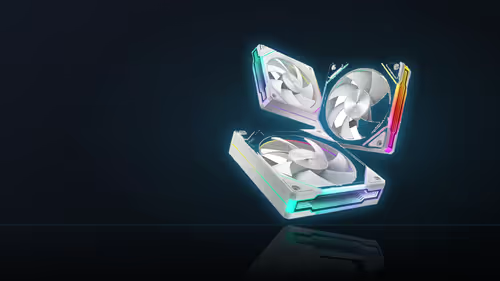
A header shortage on the motherboard looks like a reason to go shopping for a new board, but the actual gap is usually just connection count, not anything the board is doing wrong. The ASH-S1 closes that gap for R349, adding nine PWM fan ports and nine 5V addressable ports from a single SATA-powered hub - a fraction of what a board swap costs to solve the same problem.
Quick Answer
Yes, in most cases. If the only shortfall is running out of fan or lighting headers, the ASH-S1 at R349 adds nine PWM ports and nine 5V ARGB ports from one SATA-powered hub, which is far cheaper than replacing a motherboard for the same capacity. It ships with a remote and carries a 1 Year Local Warranty, though the product page is currently hidden with no confirmed arrival date.
💸 What a header shortage actually costs to fix
Board headers run out fast on a build with more than four or five fans plus a couple of lit accessories. The instinctive fix is a bigger, newer motherboard, which usually means a few thousand Rand for chipset features the build may not even need. A hub sidesteps that entirely: the ASH-S1 draws its own power from a SATA connector and supplies nine PWM fan headers and nine 5V 3-pin addressable headers, independent of whatever the board itself carries. For R349, that is a lot cheaper than chasing header count through a full platform change.
🔍 When the board is the real problem
A hub only helps if headers are the actual bottleneck. If the board is also short on PCIe lanes, storage connectors, memory slots, or processor support the build needs, no amount of fan hub fixes that - a new board earns its keep there. The distinction matters because it is easy to conflate "I need more fan headers" with "I need a new motherboard" when they are not the same problem. Worth counting the fans and lit devices in the plan before deciding which one applies.
🔌 What nine-and-nine actually buys you
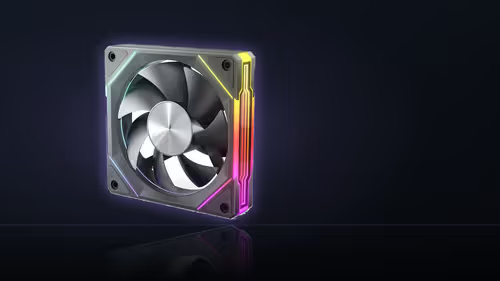
Two separate banks of nine ports cover most builds with headroom to spare: nine four-pin PWM connections for fan speed, and nine 5V 3-pin connections for addressable lighting, rated for up to 377 LEDs across everything plugged into that side. A remote handles speed, brightness and effect selection directly, with an auto-temp mode and a motherboard-sync option if you would rather the lighting follow the board's own software. Have a look through Evetech's case fan range to gauge what a nine-port fan bank could realistically be feeding, and weigh the NZXT fan controller against it before settling on which hub route suits the build.
Frequently Asked Questions
When is a hub the right answer?
When the board works perfectly well and the only problem is running out of fan or addressable connections for the build.
When would a new board be justified instead?
Where other limitations matter too, such as processor support, storage connections or features the current board lacks.
How many connections does the hub add?
Nine four-pin fan ports and nine 5V addressable ports, on separate banks, from one SATA-powered unit.
Does it need a board header at all?
It draws power from SATA, though its sync mode connects to the board if you want the lighting to follow board software.
Is fan speed control still available without the board?
Yes, the hub carries its own speed control through the remote, and an auto-temp mode is among the three listed.
What does a hub cost against a board upgrade?
R349, which is a fraction of a replacement board, so the arithmetic usually favours the hub for a pure header shortage.
Weighing up a hub against a board upgrade?
Have a look through Evetech's case range to see how much fan and lighting capacity your build actually needs before deciding.