The cheapest route to a proper budget XLR mic setup is to spend on the interface before the microphone. An XLR mic cannot talk to a PC by itself: it needs an audio interface or small mixer to turn its signal into USB, plus an XLR cable and a stand. Buy a dynamic mic, keep the rest simple, and you can be recording cleanly for a modest outlay.
Quick Answer
You need four things: an XLR microphone, an XLR cable, a two-input USB audio interface and a stand or boom arm. Pick a dynamic mic for an untreated room. Expect to spend very roughly R1,500 to R4,000 for a decent starter chain, with the interface taking the biggest share.
🎤 The five parts every XLR chain needs
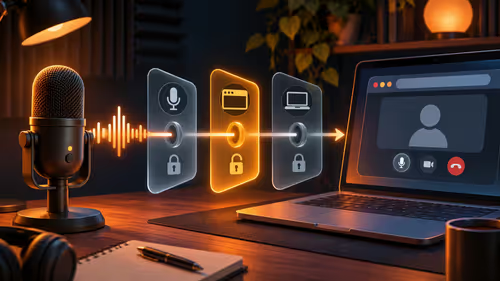
An XLR mic outputs a very quiet balanced signal. The chain that makes it usable looks like this:
- Microphone: dynamic for noisy rooms, condenser for quiet ones.
- XLR cable: a three-pin lead, usually 3 metres is plenty for a desk.
- Audio interface: the box with a preamp, a gain knob and a USB lead to the PC.
- Stand or boom arm: keeps the mic about a fist away from your mouth.
- Pop filter or foam cover: softens harsh P and B sounds.
Skip the cheapest all-in-one bundles that pair a condenser with a tiny preamp. They sound thin, and you end up replacing the part that matters most, the interface.
Why the interface comes first
The preamp inside the interface decides how much clean volume you get. A dynamic mic is quiet, so a weak preamp forces you to turn the gain up and pushes hiss into the recording. Start with an interface that has a clearly marked gain control and a headphone output for monitoring.
🔌 Dynamic or condenser on a tight budget
For most South African bedrooms, home offices and res rooms, a dynamic microphone is the safer buy. It hears mostly what is directly in front of it, so a fan, a passing taxi or a neighbour's music fades into the background. A condenser captures much more detail, but it also records the room, and echo from bare walls and tiles ruins it.
Condensers also need 48V phantom power. That is a button on the interface that sends power down the cable. Dynamic mics do not need it, and the button should stay off for them.
Whichever type you pick, speak from about 10 to 15 cm away and slightly off to one side. That one habit does more for clarity than another R1,000 of hardware.
🎚️ Setting it up step by step
- Fix the mic to the stand and screw the foam cover on.
- Connect the XLR cable from the mic to the interface input, and click it into place.
- Plug the interface into a USB port on the PC, ideally one at the back.
- Turn the gain right down, then speak at your normal volume.
- Raise the gain until your loudest peaks reach the yellow zone of the meter, never the red.
- In Windows, open Settings, System, Sound and select the interface under Input.
Then open Discord, OBS or your recording app and pick the same device. If the app shows no signal, check the cable clicked in, the input knob is up and the interface shows as the default.
Cutting noise without paying for treatment
Hang a duvet or a thick blanket behind you when you record. Close the window to cut Highveld wind and traffic, and switch off the extractor or fan for the take. Cheap fixes like these beat expensive gear in an untreated room.
💰 Where to spend and where to save
If cash is tight, buy the interface and a dynamic mic first, then add a boom arm later and use a stack of books as a stand for now. Save on the cable and the pop filter, since neither changes the sound much. Do not save on the interface.
You can browse the streaming essentials category for microphones and add-ons; items there run from around R200 to a few thousand Rand, and an XLR chain sits towards the upper end. If you also stream on camera, compare a few webcams before you finish the desk.
Frequently Asked Questions
What do I need besides the XLR microphone?
An audio interface or small mixer, an XLR cable, a boom arm or stand, and the USB lead that comes with the interface. Without the interface the mic cannot reach your PC.
Should a budget setup use dynamic or condenser?
Dynamic. It picks up less room noise, which matters in a bedroom or office with fans and traffic. Condensers need a quieter space and phantom power.
What is phantom power and do I need it?
It is 48V sent down the cable to power condenser mics. Dynamic mics do not need it, so leave the interface button off for them.
How do I set the gain correctly?
Speak at your normal volume and raise the gain until peaks touch the yellow part of the meter. If the red light comes on, turn it down to avoid clipping.
How much does a starter XLR setup cost?
The streaming shelf spans about R199 to R6,799, and an XLR chain with an interface sits at the higher end of that. USB is cheaper if you only need one voice.
Is XLR worth it over USB?
For one voice on a tight budget, USB is simpler. XLR pays off when you want upgradeable parts and might run a second microphone later.
Ready to build a clean-sounding desk setup?
Have a look through the streaming essentials category at Evetech for microphones and accessories to start your chain.