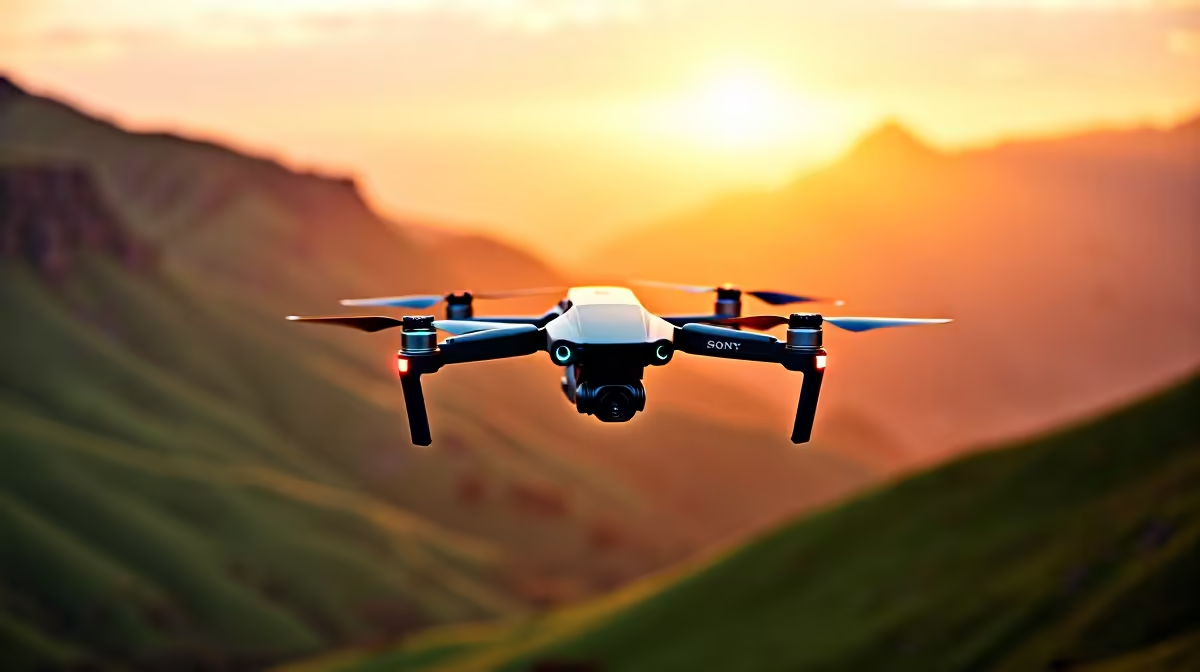
A drone in the wrong airspace can ground a flight at a major airport and land you with a serious fine. Learning to fly a drone legally and safely in South Africa is not bureaucratic box-ticking, it is what keeps you, the public and aircraft out of harm's way. The SACAA's Part 101 rules set clear, memorable limits, and once you know them, flying responsibly becomes second nature.
Quick Answer
Under SACAA Part 101 you must stay below 120m (400ft) above ground, maintain unobstructed sight of the drone throughout the flight, and remain at least 10km from any airport. No-fly zones include national parks and all airspace within 10km of airports, so always check before you launch.
The Core SACAA Part 101 Rules
These are the limits that govern recreational flying. Commit them to memory and most of your decisions are made for you.
- Stay below 120m above ground level. That is the 400ft ceiling, measured from the ground beneath the drone, not sea level.
- Maintain line of sight. You must be able to see the drone with your own eyes the whole flight. Flying by camera feed alone does not satisfy this requirement.
- Stay 10km from airports and airfields. This buffer protects manned aircraft on approach and departure.
- Keep clear of people and property. Maintain a safe lateral distance from people, buildings and roads that you do not control.
- Fly only in daylight and good weather. Clear visibility is part of staying in line of sight and in control.
Breaking these is not a grey area. The SACAA treats reckless drone flying seriously, and penalties are real.
Know Your No-Fly Zones Before You Pack The Drone
Some of the country's most photogenic places are off-limits, and that catches new pilots out.
Airports And Controlled Airspace
The 10km airport buffer is the big one. Every commercial and most smaller airfields carry this exclusion, and major cities have several. Apps that map controlled airspace are the quickest way to confirm you are clear before you leave home.
National Parks And Nature Reserves
Flying a drone in a national park is generally prohibited without specific permission, because the noise disturbs wildlife and other visitors. That includes the country's flagship game reserves. Plan your wildlife footage from outside park boundaries or seek formal authorisation, never assume a remote-looking spot is fair game.
Private Property And Public Gatherings
Do not fly over crowds, stadiums during events, or private property without the owner's consent. Even where it is technically legal, flying over people you do not control is the fastest way to a complaint or an accident.
A Pre-Flight Routine That Keeps You Legal
Build a habit you run every single time, and the rules stop being something you have to remember.
- Check the map. Confirm you are outside any airport buffer, restricted zone or national park before you go.
- Check the weather. Wind and poor visibility are the enemies of line-of-sight control.
- Check the drone. Battery charged, propellers secure, firmware updated, home point set.
- Check your surroundings. Note where people, roads and obstacles are, and pick a clear launch and landing spot.
- Stay within your limits. Below 120m, the aircraft visible to your naked eye, and well clear of people throughout.
A smart battery and a tidy controller make this routine easier, and browsing the drones and smart home range at Evetech turns up the chargers and accessories that keep a drone flight-ready. For the popular add-ons other buyers reach for, the accessories best sellers are worth a scroll before your next outing.
Flying Commercially Versus For Fun
The rules above cover recreational, private flying. The moment you fly for payment, for a business, or commercially in any way, the requirements step up significantly and involve formal licensing and operator approval through the SACAA. If someone is paying you for the footage, treat that as commercial and get the proper credentials first. For pure hobby flying within Part 101, no licence is needed, but the safety limits still apply in full.
Frequently Asked Questions
Do I need a licence to fly a drone for fun in South Africa?
For recreational flying within the Part 101 limits, no licence is required. You must still obey the 120m ceiling, line-of-sight and airport-distance rules. Flying commercially or for payment is a different category that does require formal SACAA approval.
How high can I legally fly my drone?
The legal ceiling is 120m, which is 400ft, above ground level. That height is measured from the ground directly beneath the drone, not from sea level, so flying off a hill does not give you extra altitude.
Can I fly my drone in a national park?
Generally no. Drone flying is prohibited in national parks and most nature reserves without specific permission, because of the disturbance to wildlife and other visitors. Plan shots from outside the boundary or seek formal authorisation in advance.
What does visual line of sight actually mean?
It means you must be able to see your drone with your own unaided eyes for the whole flight. Relying only on the camera feed or first-person view goggles does not count, since you need to track the drone's real position and any nearby aircraft.
How far must I stay from an airport?
At least 10km from any airport or airfield. This buffer protects manned aircraft taking off and landing. Use an airspace map to confirm you are clear, because many areas around cities sit inside one of these zones.
Ready to fly responsibly and capture footage the legal way? Browse the drones and smart home range at Evetech for the accessories that keep your drone charged, updated and ready for a clean, rule-abiding flight.