Quick Answer
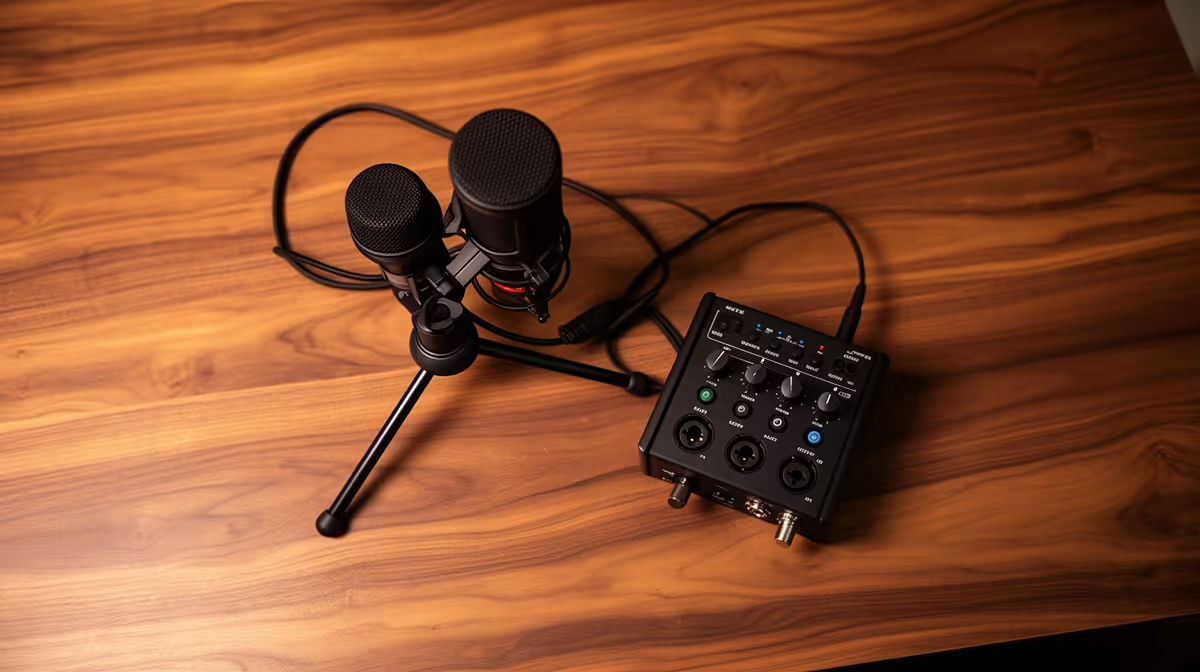
For Krugersdorp, a podcast recording setup should be bought around the workload, not the suburb name. The practical target is a quiet laptop or mini PC, USB-C hub, dynamic USB microphone, closed headphones and a simple boom arm; Keep the cart under R20,000 by choosing a Ryzen 5 5600 or Core i5-12400F platform, 32GB RAM where the workload needs it, a 1TB NVMe SSD and a GPU matched to the job.
The Core Hardware Target
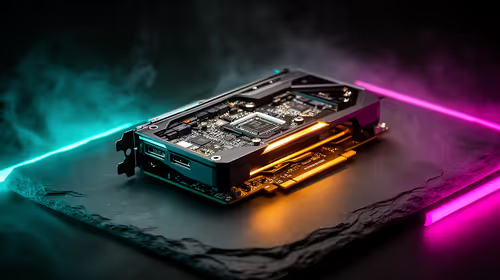
For Audacity, Reaper and remote interviews, the first question is what slows the work down: CPU cores, GPU VRAM, RAM capacity, storage speed or network reliability. A GeForce RTX 4060-class card is a useful mainstream anchor, while RTX 3060 12GB remains worth comparing when VRAM matters more than raw speed. A 1TB NVMe SSD prevents project files, game installs and media caches from fighting for space.
What Delivery Changes For Krugersdorp
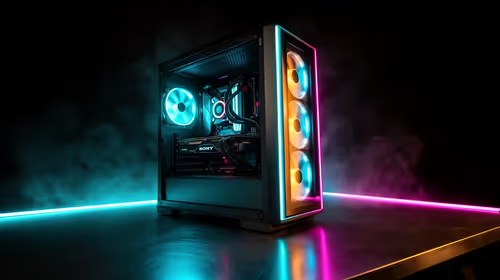
Desktop towers, monitors and microphones should be delivered to an address where someone can inspect the carton during business hours. Check the waybill, box count and serial labels before setup, especially if the order includes a monitor or separate GPU. Gauteng addresses such as Krugersdorp are usually straightforward for national courier routes, but the safe move is still to keep the packaging until the first full test is complete.
Performance And Budget Notes
Judge the build by clean voice capture and low room noise, not by the most expensive single part. For gaming workloads, RTX 4060-class systems often target about 60 fps at 1080p high settings in demanding titles and much higher in esports with competitive settings. For creator workloads, 32GB RAM usually matters more than RGB lighting or an oversized case.
FAQ
What is the minimum spec I should consider?
Start with a quiet laptop or mini PC, USB-C hub, dynamic USB microphone, closed headphones and a simple boom arm. Drop below that only for light work, because the first saving often becomes the first upgrade.
Is R20,000 enough for this use?
R20,000 is enough for a disciplined mainstream build if the monitor and premium accessories are controlled. It is tight for heavy 4K editing, large AI models or top-end ray tracing, where the GPU and RAM budget rises quickly.
What should I check when the hardware arrives?
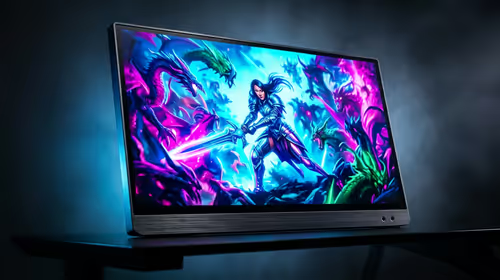
Check the carton, serial numbers, GPU support, monitor panel and first boot before discarding packaging. Then run the main app or game for 15 minutes to catch fan noise, crashes or display issues early.
Build Check
Put the CPU, GPU, RAM, SSD and monitor target in one list before checkout; if one item does not support the workload, fix that line first.