again. Your epic gaming session is on the brink, and your UPS is screaming. Sound familiar? But what if you could have top-tier framerates without draining your inverter? The secret lies in choosing one of the latest power-efficient GPUs. Let's explore the best options to keep you gaming through any power cut. 🚀
Why Power Efficiency Matters More Than Ever in SA
It's no secret that a beastly graphics card is the heart of any gaming rig. But in South Africa, raw power comes with a cost... a literal one, paid to Eskom. A high-end GPU can easily pull over 350 watts under load. When an unexpected outage occurs, that kind of draw will drain a typical UPS or inverter battery in minutes. Choosing a more power-efficient GPU for SA in 2026 isn't about sacrificing performance; it's about playing smarter. It means longer gaming sessions on battery backup, lower electricity bills, and less strain on your hardware.
Understanding GPU Power Metrics: TGP vs. TDP
When you're shopping, you'll see terms like TDP (Thermal Design Power) and TGP (Total Graphics Power). What's the difference? TDP is an older metric related to the heat a component generates. TGP is the important one for us: it measures the total power the entire graphics card can draw from the power supply. Always look for the TGP spec to get a real-world idea of power consumption. Both NVIDIA's GeForce lineup and their competitors list this, making comparisons easier.
Top Contenders for Power-Efficient GPUs in 2026
The graphics card landscape is fiercely competitive, which is great news for us. The latest architectures from all the major players have made huge leaps in performance-per-watt.
Team Green: NVIDIA's Efficiency Kings
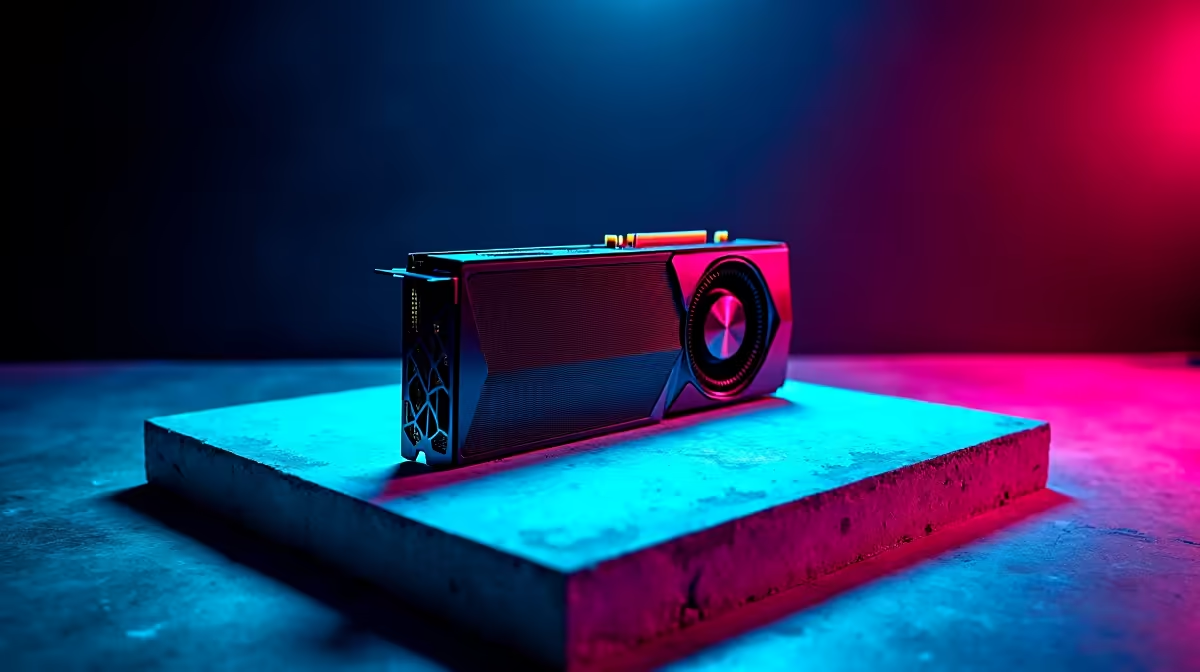
NVIDIA's Ada Lovelace architecture (found in the RTX 40-series) is renowned for its incredible efficiency. Cards like the RTX 4070 SUPER deliver amazing 1440p and even 4K performance while sipping power compared to previous generations. They achieve this through a smaller manufacturing process and architectural improvements. If you have the budget, exploring high-end NVIDIA options can give you top-tier performance without a monstrous power bill.
Team Red: AMD's RDNA Advantage
AMD has also made significant strides with its RDNA 3 architecture. Cards in their RX 7000 series offer fantastic value and are often praised for their raw rasterization performance at a given power target. Looking at the range of AMD Radeon graphics cards reveals excellent mid-range choices that are perfect for a outage-ready build. These are strong contenders for the best power-efficient GPUs in their price bracket.
The New Challenger: Intel's Arc
Don't count out the third player! While newer to the dedicated GPU space, Intel is making waves. As their drivers mature, Intel's Arc series is becoming a viable and often budget-friendly alternative, with a keen focus on improving efficiency in future generations. Keep an eye on them as we head towards 2026. ✨
What About Workstations?
While our focus is gaming, it's worth noting that efficiency is also critical in the professional space. Cards designed for 3D rendering and CAD often prioritise stability and optimised power usage for long, intensive workloads. Many of these professional workstation cards are engineered for maximum output with minimal power draw.
Beyond the GPU: Building an Efficient Gaming Rig 🔧
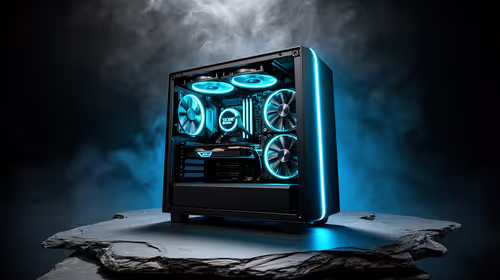
Your new power-efficient GPU is a great start, but it's just one piece of the puzzle. To build a truly outage-resilient rig, you need to consider the whole system, especially the power supply unit (PSU).
A cheap, inefficient PSU wastes energy by converting it to heat before it even reaches your components. Investing in one of the many available quality power supply units with an 80 Plus Gold rating or higher ensures that more of the power from your wall (or inverter) is used effectively. This means less waste and a longer runtime when the lights go out.
Pro Gamer Tip ⚡
For the ultimate efficiency boost, try undervolting your GPU. Using software like MSI Afterburner, you can slightly reduce the voltage supplied to your graphics card without losing performance. This can lower power consumption and temperatures by 10-15%, giving you precious extra minutes of gameplay during an unexpected outage.
Furthermore, consider your cable management. A clean case with good airflow helps components run cooler and more efficiently. Opting for fully modular Corsair PSUs allows you to use only the cables you need, reducing clutter and improving airflow around your new, efficient GPU. It's these small optimisations that make a big difference when every watt counts. Even among the best premium graphics cards over R15,000, pairing them with the right components is key.
Ready to Game Through Anything?
Upgrading to a power-efficient GPU is the smartest move a South African gamer can make for uninterrupted play. Explore our massive range of GPUs and find the perfect, efficient powerhouse for your rig today.