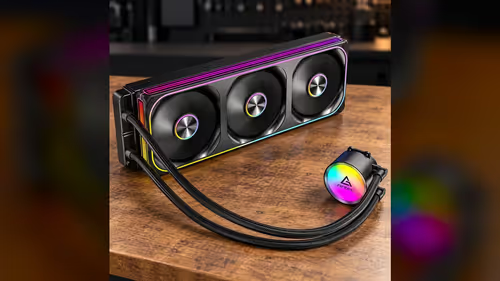
A 360mm AIO under R3,000 looks like a bargain on the shelf, but the price tag is the easy part. Before the cooler goes in the basket, you need to know it fits the socket, the case slot and the pump header on your board. Four checks decide most cases: the socket, the radiator room, the headers and the fan layout. Here is a practical list for builders who want a 360mm loop without a surprise at the bench.
Quick Answer
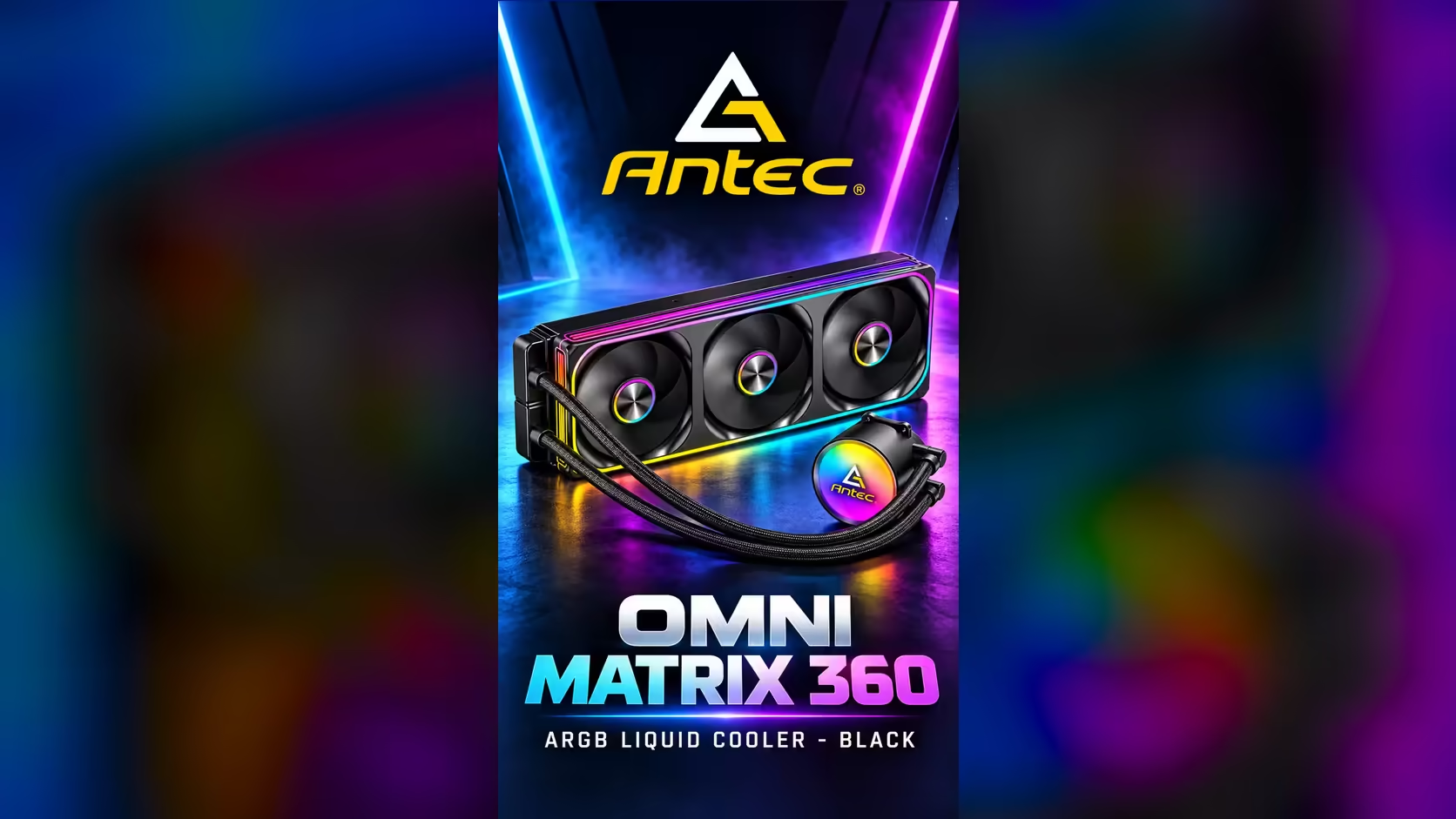
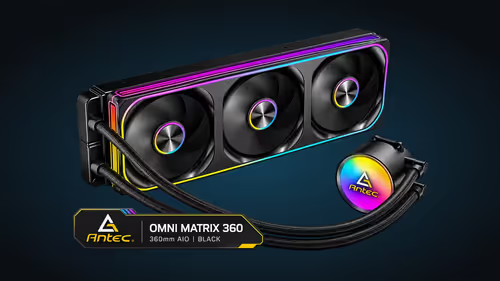
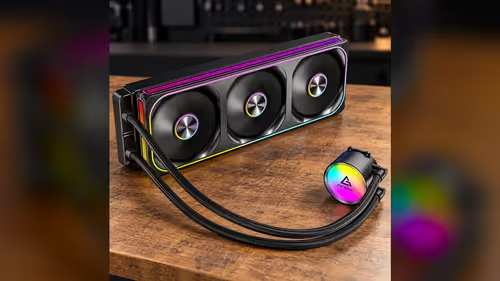
Under R3,000, a 360mm AIO is a sensible step up for a builder who has the case room for one. Check socket support, radiator mounting and pump headers before you buy. At R999, the Antec Omni Matrix 360 leaves most of that R3,000 band free for the rest of the build, and it comes with three 120mm fans.
🔌 Check the socket first
The socket decides whether the cooler can be mounted at all, so check it before anything else. Read the socket name on your motherboard, then find it on the cooler's list of supported sockets. The Antec Omni Matrix 360 supports LGA 1851, LGA 1700, AM5 and AM4, which covers the main Intel and AMD sockets in current builds.
A socket match is necessary, not sufficient. The bracket you mount has to match the socket too, and a cooler that supports your socket still needs its matching hardware. Check the bracket label before you start the build, and keep the box until you are sure the mounting parts are right.
If your board is older, check whether it uses one of the sockets on the list. A board on a socket the cooler does not cover needs a different cooler, and that is a common reason to swap the cooler before the build starts.
📏 Measure the radiator room
At about 394mm, a 360mm radiator needs a full-length slot along the front or top panel. Many cases with a 360mm mount on the spec sheet still have a front fan or a drive cage in the way, so measure the actual clear space rather than trusting the label. Write the slot length down and compare it with the radiator before you spend the money.
Fan thickness matters too. Three 120mm fans take up depth on the radiator side, and a thick fan can clash with a tall memory module if the case is tight. Measure the depth between the case wall and the back of the mount, then compare it with the fan and radiator thickness.
Leave room for the tubing as well. The loop needs a bend radius, and a radiator pressed hard against the case front pulls tight on the tubing. A gap of a few centimetres behind the radiator gives the tubing room to sit without kinking.
🧩 Confirm the headers
A 360mm loop needs headers for the pump and the fans, and the pump usually takes its own connector. Count the headers on your board before you buy. The Antec Omni Matrix 360 has three pre-connected 120mm PWM fans, which means one fan header covers the whole set, but the pump still needs its own place on the board.
Check the lighting too. If the cooler's ARGB pump head uses an addressable header, count the ARGB headers on the board. A board without a spare ARGB header can run the lights from a separate controller, and that adds a cable to plan for.
Finally, check the fan curve options in your BIOS. A board that offers a pump mode and a fan curve gives you control over the noise at idle and the cooling under load. A board with only fixed fan settings leaves you with less control, and that matters more with a loop than with a single tower.
🧮 Where the cooler sits in a R3,000 budget
At R999, the Antec Omni Matrix 360 takes about a third of a R3,000 budget. That leaves room for a board, a memory kit and storage, although the exact split depends on the processor you choose. A builder who spends more on the cooler than the processor needs to check that the rest of the build is balanced.
A useful test is to ask whether the cooler will be the limit. A 360mm loop helps a midrange processor under a long load, and it does more for a hot chip than a cheap air cooler would. If the processor runs cool anyway, a smaller and cheaper cooler may be the better buy, and the money can go elsewhere in the build.
Our liquid CPU coolers range shows the options at this price, and the CPU coolers category covers the air and liquid models together. For a wider view of the budget options, the CPU cooler range groups the cooler types.
Frequently Asked Questions
Is a 360mm AIO worth it under R3,000?
It is worth it when the case has a full 360mm slot and the processor runs hot under a long load. If the case is tight or the processor runs cool, a smaller cooler is the better buy.
Which sockets does the Antec Omni Matrix 360 support?
The socket list covers Intel LGA 1851 and LGA 1700 plus AMD AM5 and AM4. Check the bracket you will use against your board's socket before you start the build.
How many fan headers do I need?
The three 120mm fans run from one PWM header, because they come pre-connected. The pump needs its own header, so count both before you choose a board.
Should I buy a cheaper cooler to leave more budget for other parts?
It depends on the processor. A cheap cooler is fine for a chip that runs cool, but a hot chip under a long load gains from a larger radiator.
Planning a build under R3,000?
Browse our liquid CPU coolers and check the socket and radiator slot before you add a cooler to your basket.