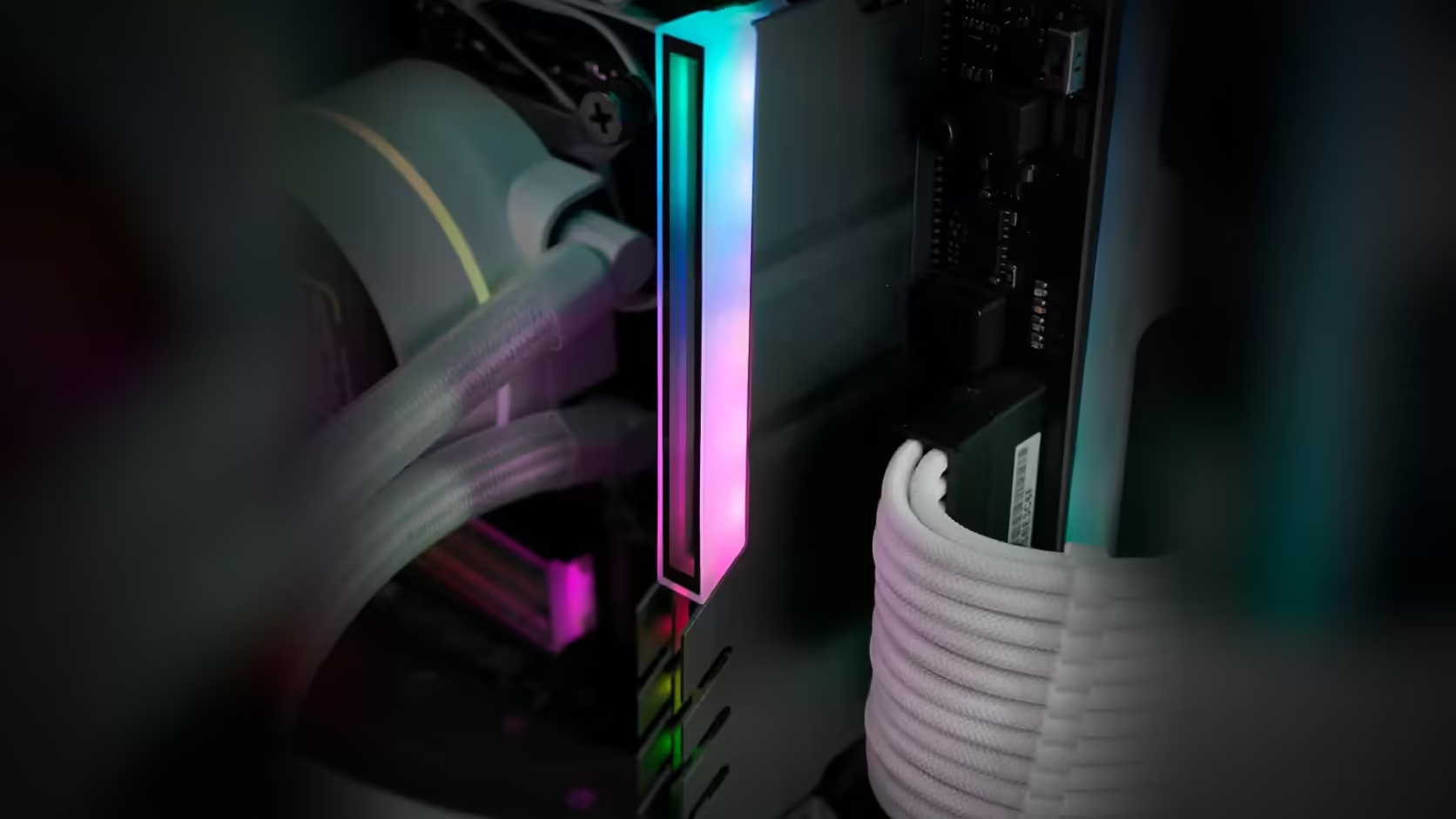
"Aluminium alloy" and "heatsink cover" both appear in the same product line, and it would be easy to read that combination as a promise of cooler memory. A RAM cover described that way deserves a closer read, because material and measured result are two different claims, and only one of them actually appears in the listing.
Quick Answer
An aluminium-alloy heatsink cover is how the R249 AsiaHorse RAM Cover ARGB Heatsink describes itself, which states what it is made from rather than what temperature change it delivers. No measured thermal figure appears anywhere in the description, so anyone buying it specifically expecting lower memory temperatures should understand that claim is not one the listing actually makes.
🔩 What "aluminium alloy" tells you
Material is a real, verifiable fact about the product - it describes the body the cover is built from. It is a common choice for enclosures and covers because it is light, workable and reasonably conductive, but naming a material is not the same as publishing a before-and-after temperature reading, and the two should not be conflated when reading the listing.
🌡️ What is missing from the claim
Nowhere in the description does a specific temperature drop, a comparative figure, or any measured thermal outcome appear. That absence matters, because "heatsink cover" as a product name leans on cooling language without the listing backing it up with numbers. Read the name as descriptive of its shape and material, not as a performance claim.
🧪 Could it still help at all
Metal sitting in contact with a memory module's heatspreader can, in principle, conduct some heat away from it, but whether that produces a change large enough to notice depends entirely on the installation, the airflow around it, and how well the two surfaces actually make contact. None of that is quantified here, so treat any thermal benefit as unproven rather than assumed.
📊 Whether memory needs cooling in the first place
Most consumer memory in a typical desktop runs well within its operating range without any additional cooling at all, which is presumably why the product is positioned around appearance rather than thermals in its own description. If temperatures are a genuine concern for your specific setup, your board's monitoring software is the way to check, recording readings under a fixed workload before and after fitting anything.
🔬 Why real heatsinks publish numbers and this does not
A genuine thermal product - a CPU cooler, a GPU backplate, a dedicated memory heatsink sold on cooling merit - typically publishes a thermal resistance figure, a fan curve, or at minimum a comparative claim against a bare component under a stated load. The absence of any of that here is itself informative: a product built and marketed around a measured cooling benefit almost always says so explicitly, because that number is the actual selling point. A listing that names a material and a shape but stops there is telling you, implicitly, that thermal performance was not the design goal being tested or advertised.
🧯 What actually generates heat near memory
Memory itself produces relatively little heat compared to a CPU or GPU under load - modern DDR4 and DDR5 modules run warm rather than hot in the overwhelming majority of desktop use cases, gaming included. The real heat sources nearby are the processor and its cooler, and to a lesser extent the motherboard's power delivery components, both of which sit close enough to raise the ambient temperature around the memory slots without the memory generating much of that heat itself. A cover added purely for appearance sits in that same ambient airflow, neither meaningfully adding to it nor meaningfully cooling it away.
📈 What would actually change your mind here
If cooling genuinely mattered enough to justify chasing a number, the correct test is a before-and-after comparison under identical conditions: same ambient room temperature, same workload run for the same duration, same monitoring software reading the same sensor. Fit nothing, record memory temperature under that load, then fit the cover and repeat the exact same test. Only a result from that kind of controlled comparison - not a general impression, not a photo of a heatsink-shaped object - would tell you anything real about whether the aluminium body is doing measurable work.
🧱 A note on aluminium versus other covers on the market
Aluminium alloy is a reasonable, common choice for accessory bodies generally, chosen as much for being light, easy to manufacture into a shell shape, and resistant to corrosion as for any thermal property. Plastic-bodied lighting covers exist too, and swapping one material for another changes weight, rigidity, and finish more than it changes anything measurable about memory temperature in a typical desktop, where the memory was never running hot enough for the cover's material to matter either way.
⚖️ What to base the decision on instead
Appearance is what the listing actually leads with - an aluminium-alloy body, an infinity-mirror ARGB panel, fitment across DDR5 and DDR4 modules - and that is the reasonable basis on which to weigh up the R249 price, rather than a cooling outcome the product never actually claims to deliver.
Frequently Asked Questions
What does the listing say about material?
That the cover is an aluminium-alloy heatsink cover, which describes what it is made from.
Is a temperature figure given?
No measured thermal improvement appears in the description, so any cooling effect is unquantified here.
Could it still help thermally?
Metal in contact with a heatspreader can conduct heat, though whether that produces a measurable change depends on the installation.
Does memory usually need cooling?
Most consumer memory runs comfortably without additional cooling, which is why the cover is presented as an appearance product.
How would I test it?
By recording memory temperatures under a fixed workload before and after, if your board reports them.
Does the lighting add heat?
Addressable lighting is a small load, so its contribution is minor against whatever the modules themselves produce.
Would a bare stick actually run cooler than a covered one?
Any enclosure can, in theory, trap a small amount of extra heat against a component, but nothing in the listing quantifies this either, so treat it as unproven in both directions rather than assuming the cover helps or hurts.
Should thermals drive the purchase?
Appearance is what the description leads with, and that is the reasonable basis for the decision.
Buying for looks rather than a cooling claim you can't verify?
Have a look through Evetech's DDR4 and DDR5 memory range and decide based on what the listing actually says.