Ever wondered why your PC sounds like a jet engine during a Durban summer? Heat is the enemy of performance. To keep your frame rates high, you need to understand how Aluminum Radiator and Copper Plate Heat Dissipation Explained works in modern cooling systems. It is the secret behind keeping high-end CPUs from thermal throttling when the heat is on.
The Role of the Copper Plate in Thermal Transfer
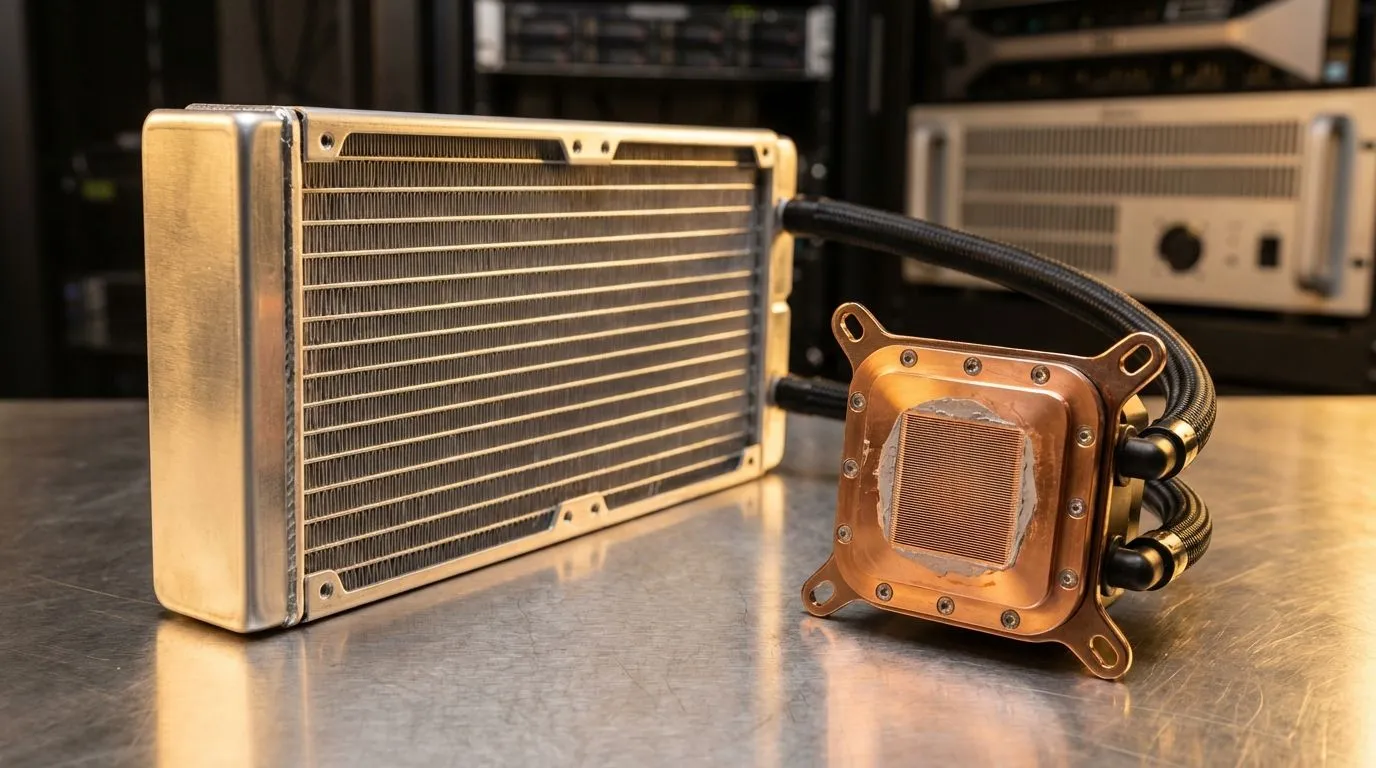
The journey of heat starts at the CPU die. Most high-performance cooling solutions use a copper base plate. Why copper? It has incredible thermal conductivity... roughly 400 W/mK. This allows it to pull heat away from your processor much faster than other common metals. When you browse the broad range of CPU coolers available today, you will notice that even budget-friendly options prioritise a copper base. This ensures that the initial "heat soak" is handled efficiently before the energy is moved toward the radiator.
Why Aluminum Radiators are the Industry Standard
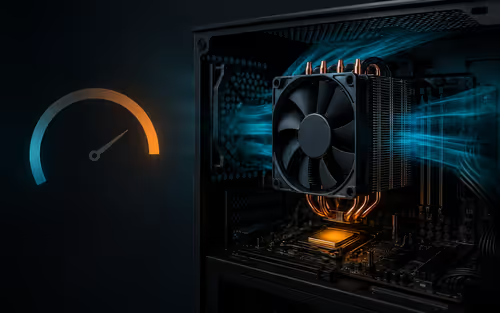
Once the heat leaves the copper plate, it travels through heat pipes or liquid coolant to the radiator. While copper is a better conductor, most radiators are made of aluminium. This is a strategic choice. Aluminium is significantly lighter and more cost-effective... which is vital when you are mounting a large component to your chassis. An All-in-One liquid cooler uses aluminium fins because they can be packed tightly together. This creates a massive surface area for fans to blow air through, dissipating heat into the room.
Thermal Paste Pro Tip ⚡
When installing your cooler, remember that less is often more. A pea-sized amount of high-quality thermal paste in the centre of the CPU is usually enough. The goal is to fill the microscopic gaps between the copper plate and the CPU heat spreader... not to create a thick barrier that actually insulates the heat.
Balancing Performance and Aesthetics
For many South African gamers, the choice of brand is just as important as the materials used. If you are looking for top-tier build quality and software integration, the premium Corsair AIO units often lead the pack. They use high-density aluminium fins that are painted to match your build without sacrificing thermal efficiency. On the other hand, if you want incredible value for money, the high-performance Deepcool solutions offer some of the best thermal-to-ZAR ratios in the country 🔧.
Choosing the Right Radiator Size for Your Case
The physical size of your radiator determines how much heat it can exhaust. If you are running an overclocked i9 or Ryzen 9, a massive 360mm radiator is almost a necessity. The extra length provides more aluminium surface area, allowing the fans to spin slower and quieter. For mid-range builds or tighter cases, a standard 240mm radiator provides a perfect balance. It fits in most modern South African chassis and keeps temperatures well within the safe zone during intense gaming sessions 🌡️.
Understanding Galvanic Corrosion
You might worry about mixing copper and aluminium. In a liquid loop, these two metals can react... a process called galvanic corrosion. However, reputable manufacturers use specialised coolants with anti-corrosive inhibitors to prevent this. This ensures your Aluminum Radiator and Copper Plate Heat Dissipation Explained setup lasts for years without the internals breaking down. Investing in a quality cooler means you are paying for that chemical engineering as much as the metal itself. 🚀
Ready to Chill Your Build?
Understanding the science of cooling is the first step to a faster, quieter PC. Whether you need the raw power of copper or the efficiency of aluminium, we have the hardware to keep you frosty. Explore our massive range of CPU coolers and find the perfect match for your rig today.