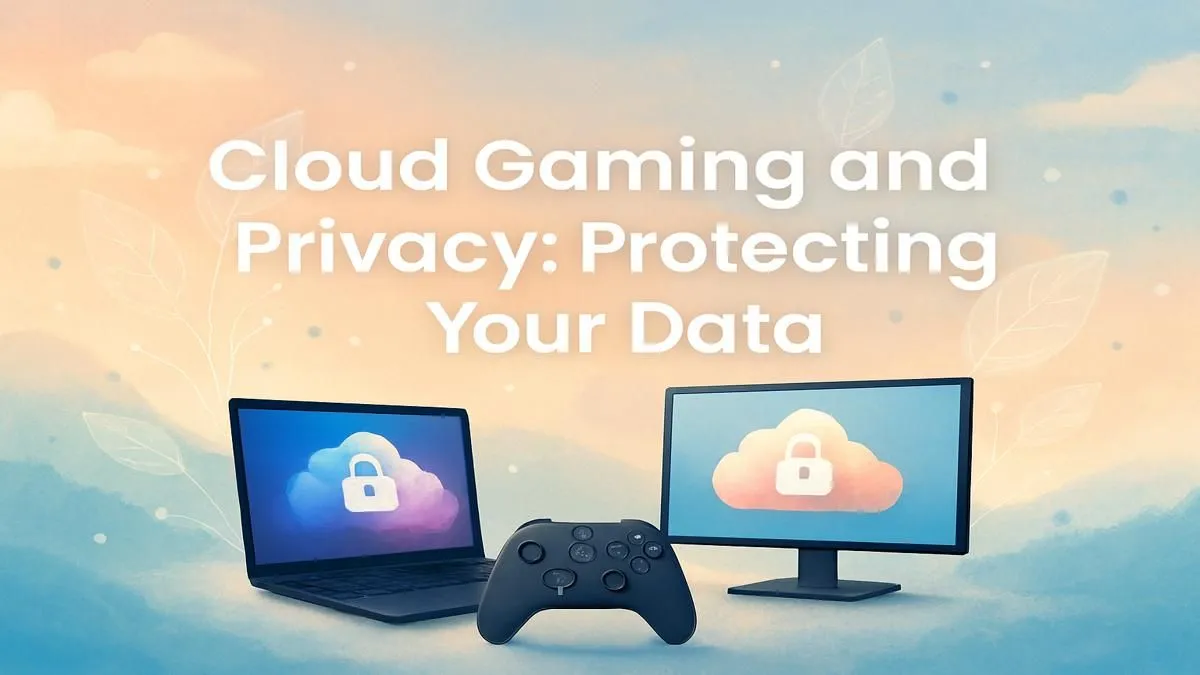
Cloud gaming is booming in South Africa. The dream of playing AAA titles on any device, without a beastly rig, is finally here. But as you stream your way through Baldur's Gate 3, have you ever wondered what's happening behind the scenes? Your gameplay, your chats, your habits… it's all data. Ensuring your cloud gaming privacy is just as crucial as nailing that headshot. Let's dive into how you can protect your digital self. 🛡️
Understanding Your Cloud Gaming Data Footprint
Before you can focus on cloud gaming privacy, you need to know what information you're actually sharing. It’s more than just your email address. Cloud gaming services, by their very nature, collect a vast amount of data to function and improve.
Here’s a quick breakdown:
- Personal Information: Your name, age, location, and payment details. This is the standard stuff for any online service.
- Gameplay Telemetry: This is the nitty-gritty. It includes what games you play, for how long, your in-game actions, achievements unlocked, and even how you move your mouse or controller.
- Device & Network Data: Information about your PC or device, your internet speed, and connection stability. This helps them optimise the stream quality.
- Voice and Text Chats: If you use in-game communication, these can be recorded and stored, often for moderation purposes.
While most of this data is used to enhance your experience, it also creates a detailed profile about you, which is valuable information. For some gamers, the ultimate peace of mind comes from local processing, where your data stays on your machine. Even a solid budget gaming PC gives you more direct control than a streaming service.
The Real Risks to Your Gaming Privacy
So, what’s the worst that could happen? It's easy to think, "I have nothing to hide," but poor cloud gaming data security can lead to some serious headaches. The primary risks aren't just about someone seeing your low K/D ratio; they're about real-world consequences.
Imagine a data breach at your favourite cloud provider. Suddenly, your login details, personal information, and payment data could be exposed on the dark web. This can lead to account theft, financial fraud, or phishing attacks targeted directly at you. It’s a chilling thought, and it highlights why taking control of your digital security is so important. If these risks make you reconsider where your data lives, you can always check out the best gaming PC deals to see how affordable a secure, local setup can be.
How to Secure Your Data and Play with Peace of Mind 🔒
Securing your cloud gaming account isn't rocket science, but it does require a proactive approach. By taking a few simple steps, you can significantly boost your cloud gaming privacy and protect your information from prying eyes.
Use Strong Credentials & Two-Factor Authentication (2FA)
This is your first line of defence. Forget "Password123". Use a unique, complex password for every service, preferably generated by a password manager. More importantly, enable 2FA wherever it's offered. A simple code sent to your phone makes it incredibly difficult for anyone else to access your account, even if they have your password.
Scrutinise Your Privacy Settings
Don't just click "agree" on everything. Dive into the account and privacy settings of your cloud gaming service. You can often control:
- Who sees your profile and game activity.
- Whether your data is used for targeted advertising.
- What communication you receive.
Take 10 minutes to review these options. It’s a small investment for a big privacy payoff. Whether you're looking at powerful rigs under R20k or investing in premium machines over R20k, securing your online accounts is a universal best practice.
VPN Pro Tip ⚡
Using a reputable VPN (Virtual Private Network) can add another layer of security. It encrypts your internet traffic, hiding your IP address from the service and making it much harder for anyone to snoop on your connection. This is especially useful if you're gaming on public Wi-Fi.
Be Smart About What You Share
This sounds simple, but it's crucial. Avoid sharing sensitive personal information in public profiles or in-game chats. Remember, anything you say in a voice chat could potentially be recorded. Keep the banter to the game and save your personal details for private conversations.
The Ultimate Privacy Solution: Your Own Rig 🚀
While you can manage your cloud gaming privacy settings, the most secure gaming environment is the one you own and control completely: your own PC. When you game locally, your data isn't constantly being sent to a third-party server for processing. Your saves, your mods, your gameplay habits... they all live on your machine.
You get total control, zero input lag from streaming, and the satisfaction of building a system that's perfectly tailored to you. From plug-and-play simplicity to ultimate performance, exploring our pre-built PC deals is a great first step toward taking back full control of your gaming world.
Ready for Ultimate Gaming Privacy & Performance?
Cloud gaming is convenient, but nothing beats the raw power, control, and security of a dedicated gaming PC. For maximum performance and total privacy in South Africa, a local rig is the undisputed champion. Explore our complete range of custom & pre-built gaming PCs and build your fortress.