It's 8 PM. In that sudden darkness, your home feels a bit more vulnerable, doesn't it? That feeling is exactly why building a modern smart home security system is no longer a luxury, but a necessity for South African families. And the cornerstone, the very first piece of the puzzle you should be putting in place, is a network of reliable surveillance cameras. They are your eyes when you can't be there. 🇿🇦
Why Smart Home Security Starts With Surveillance Cameras
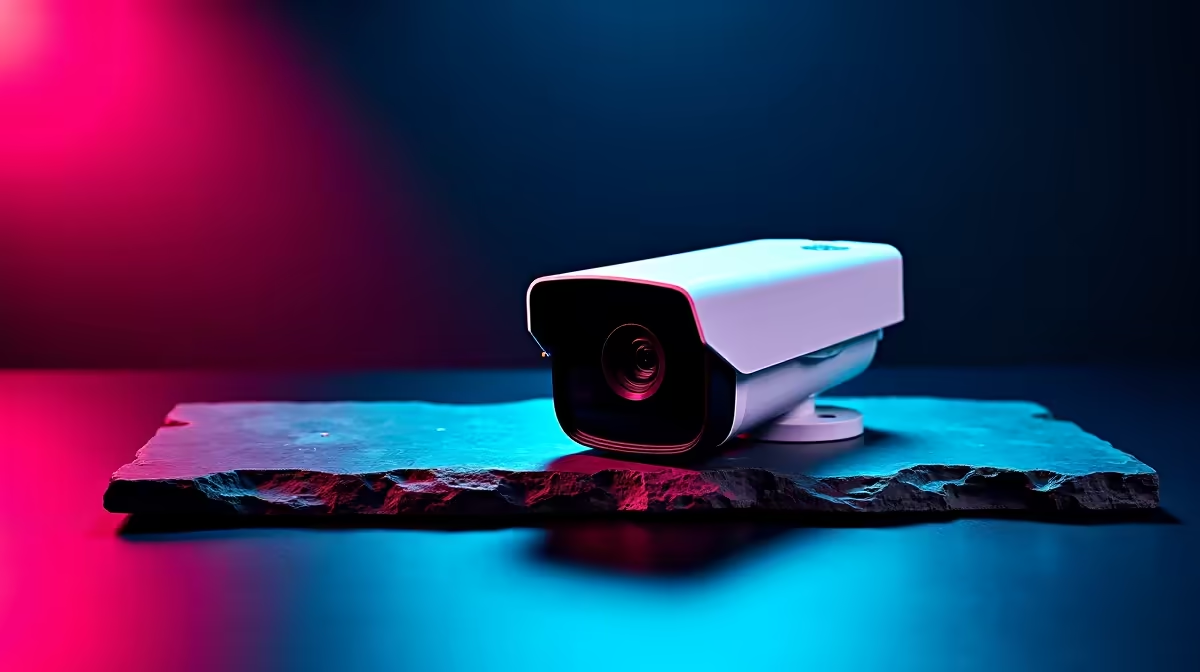
Before you dive into smart locks or sensors, think visually. The primary advantage of surveillance cameras is undeniable proof and immediate awareness. A notification on your phone isn't just an abstract alert; it's a live video feed of your driveway or living room. This allows you to instantly assess a situation—whether it's a potential intruder, a delivery driver, or just the neighbour's cat again—and act accordingly.
Modern cameras are more than just passive recorders. They form the core of a proactive defence, giving you the power to see, hear, and even speak to anyone on your property, from anywhere in the world. This level of control is the foundation of true peace of mind, making cameras the most logical first step when exploring the world of smart home appliances.
Choosing the Right Surveillance Cameras for Your Home
Not all cameras are created equal. Picking the right one depends on your specific needs, property layout, and budget. Let's break down the key considerations.
Indoor vs. Outdoor
This seems obvious, but the difference is crucial. Outdoor cameras are built tough, designed to withstand Highveld thunderstorms and coastal humidity. They often feature stronger night vision and a wider field of view. Indoor cameras are more discreet and focus on monitoring specific rooms, pets, or entryways. Many, like those from the popular TP-Link Tapo range, even include pan-and-tilt functions to cover an entire space from one central point.
Pro Placement Tip 💡
Position outdoor cameras high enough (around 3 metres) to prevent tampering, but low enough to capture clear facial details. Angle them downwards to avoid lens flare from the sun and focus on key entry points like gates, doors, and windows.
Power and Connectivity
How will your camera get power and connect to the internet?
- Wired: These cameras connect directly to your home's power and often use an Ethernet cable for the most stable connection. They are incredibly reliable but require more complex installation.
- Wireless (Wi-Fi): The most popular choice. They still need a power source (usually a plug, but some are battery-powered), but they connect to your network via Wi-Fi. This offers flexible placement but depends on a strong Wi-Fi signal reaching the camera's location. A small UPS for your router can keep your smart home security online during an unexpected outage!
Beyond the Basics: Features That Elevate Your Security 👀
Today's surveillance cameras are packed with intelligent features that make a real difference. Look for AI-powered person detection, which helps eliminate false alarms from passing cars or swaying trees. Two-way audio is another fantastic feature, allowing you to greet a visitor or warn off a trespasser directly from your phone.
Storage is another key point. Do you want to save footage to a local microSD card, which is a once-off cost, or use a subscription-based cloud service for off-site backup? Many cameras offer both, giving you flexibility and redundancy. Building a robust system doesn't have to break the bank; a solid smart home security setup is more accessible than ever.
Build Your Smart Fortress on a Budget
You can start securing your home with high-quality cameras without spending a fortune. Explore our wide range of affordable smart security options under R5000 and get the peace of mind you deserve.