That loading screen... again. Your squad is already dropping into the map, and you’re still staring at the Windows logo. A slow boot time PC is more than just an annoyance; it’s a competitive disadvantage that costs you precious gaming minutes. It’s a classic Mzansi frustration, but don't stress. We’ve got 10 practical fixes to get your gaming startup feeling brand new, turning that long wait into a lightning-fast launch.
Why is My PC Booting So Slowly?
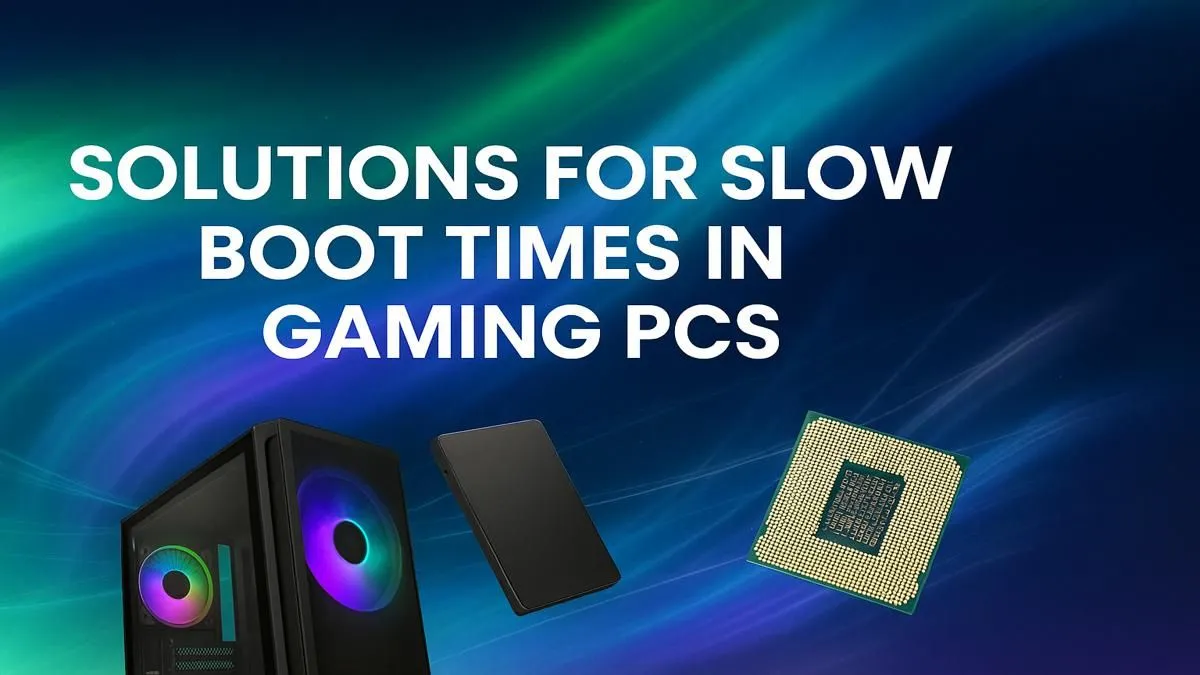
Before we jump into the fixes, let's quickly diagnose the problem. A slow PC startup is usually caused by a few common culprits. It could be too many applications launching with Windows, an old and tired hard disk drive (HDD), fragmented files, or even outdated system drivers. Each of these issues creates a bottleneck, preventing your machine from getting you into the action as fast as it should.
10 Fixes for a Faster Gaming Startup 🚀
Work through these steps, from the simplest software tweaks to potential hardware upgrades, to solve your slow boot time issues for good.
1. Tame Your Startup Programs
This is the biggest and easiest win. Too many programs trying to launch at the same time as Windows will bring any PC to its knees.
- Press
Ctrl + Shift + Esc to open the Task Manager. - Click on the "Startup" tab.
- Go through the list and disable anything you don't need running immediately (e.g., Spotify, Discord, update checkers). Right-click and select "Disable".
Your PC will thank you for the lighter load. A clean startup is essential, whether you're loading into a simple world on a custom Minecraft gaming PC or a high-stakes match.
2. Enable Windows Fast Startup
Windows has a built-in feature designed to speed up your boot process. It works by saving some system information to a file upon shutdown, helping it start quicker next time.
- Search for "Power Options" in the Start Menu.
- Click "Choose what the power buttons do".
- Click "Change settings that are currently unavailable".
- Tick the box for "Turn on fast start-up" and save changes.
3. Update Your Drivers and OS
Outdated drivers, especially for your graphics card and motherboard chipset, can cause all sorts of performance problems, including a slow boot. Ensure Windows is fully updated, and then visit your component manufacturer's website (NVIDIA, AMD, Intel) to grab the latest drivers. A well-maintained system is key for a competitive edge on a top-tier Counter-Strike 2 gaming PC.
4. Scan for Malware and Viruses
Malicious software running in the background is a notorious resource hog. Run a full system scan with Windows Defender or your preferred antivirus software to make sure your PC is clean. A sneaky virus could be the hidden cause of your slow boot time PC.
5. Clean Up Your Primary Drive
A nearly full C: drive can slow down your entire system. Windows needs a bit of free space to "breathe". Use the built-in Disk Cleanup utility to remove temporary files, system junk, and old update files. This is especially important for running massive titles on a powerful Microsoft Flight Simulator gaming PC where every bit of performance counts.
6. Defragment Your Hard Drive (HDD Only!)
If your operating system is on a traditional hard disk drive, its files can become fragmented over time, slowing down access speeds.
- Search for "Defragment and Optimise Drives" in the Start Menu.
- Select your C: drive and click "Optimise".
Important: Never defragment a Solid State Drive (SSD). It's unnecessary and can reduce its lifespan.
7. Check Your RAM
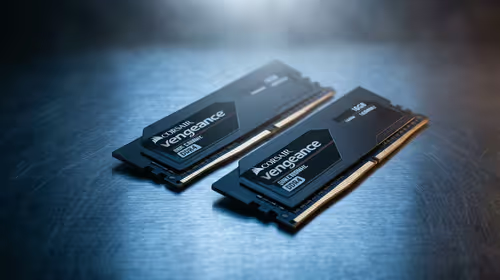
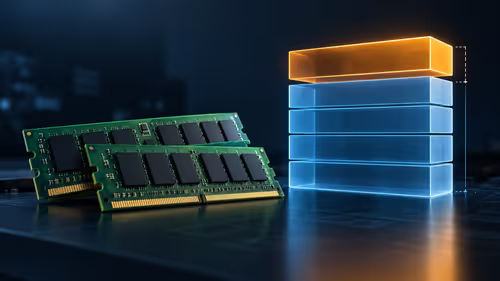
While not a direct cause of slow boot times, having insufficient RAM can slow your PC down immediately after it starts, as it struggles to load your desktop and background apps. If you're running with 8GB or less, upgrading to 16GB can make a world of difference, especially when jumping into a demanding game on a Call of Duty: Warzone 2.0 gaming PC.
SSD Pro Tip ⚡
Not all SSDs are created equal. A modern NVMe M.2 SSD plugs directly into the motherboard and is ridiculously faster than a 2.5-inch SATA SSD. If your motherboard supports it, an NVMe drive is the absolute best upgrade to fix slow boot times and slash game loading screens.
8. The Ultimate Fix: Upgrade to an SSD ✨
This is, without a doubt, the single best hardware upgrade for a slow boot time PC. Moving your Windows installation from an HDD to an SSD will change your life. Boot times can drop from over a minute to under 15 seconds. Games will also load incredibly fast, getting you into the vast world of a Cyberpunk 2077 gaming PC or the sprawling city of a GTA V gaming PC in a fraction of the time.
9. Optimise Your BIOS/UEFI Settings
Your computer's BIOS (or the more modern UEFI) has settings that can impact startup speed. Reboot your PC and enter the BIOS (usually by pressing DEL, F2, or F12). Look for an option called "Fast Boot" or similar and make sure it's enabled. You can also check the boot order to ensure your primary OS drive is the first device in the list.
10. Consider a Fresh Windows Install
If you've tried everything and your PC is still sluggish, a clean installation of Windows can clear out years of digital clutter and give you a truly fresh start. It’s a bit of a process, as you'll need to back up your data, but the performance boost can be massive. This ensures you're ready for fast-paced action on a Fortnite gaming PC or when you're trying to keep up with your squad on an Overwatch 2 gaming PC. A snappy OS is the foundation for a great gaming experience, especially when every second counts on your PUBG gaming PC.
Tired of a Slow Boot Time PC?
While these fixes can breathe new life into an old rig, sometimes the best upgrade is... a new rig. If your machine is still lagging behind, it might be time for a fresh start. Explore our range of lightning-fast Gaming PCs and get back in the game... instantly.