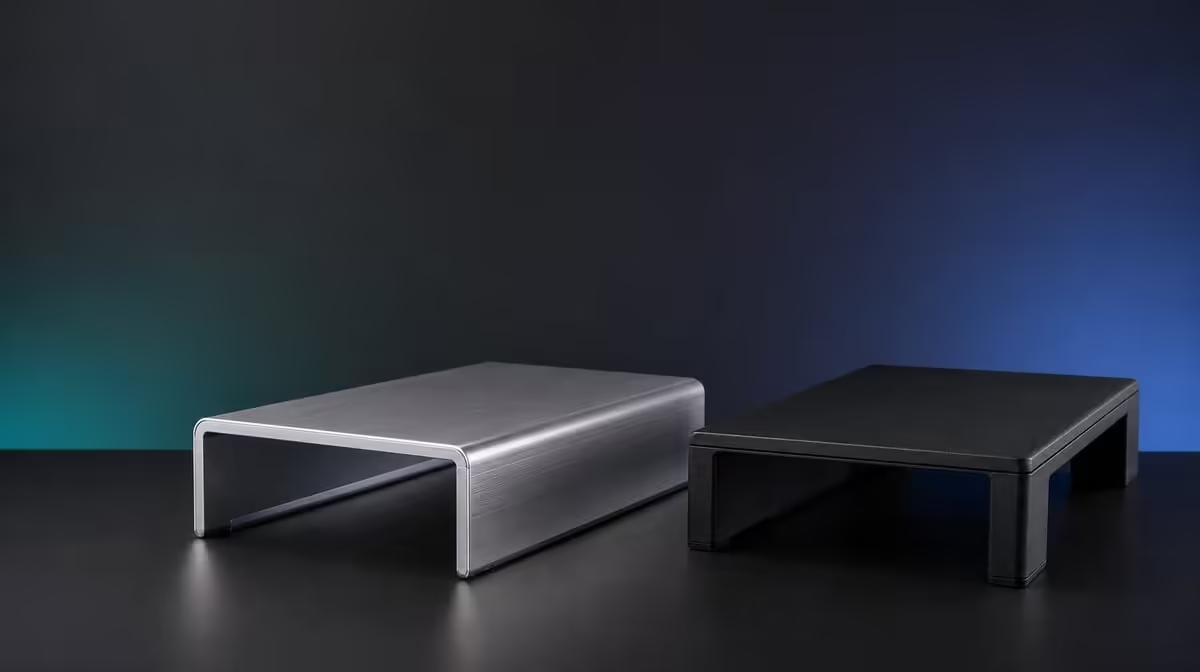
Material matters, but it cannot rescue poor geometry. In an aluminium vs plastic portable stand comparison, aluminium can provide a rigid frame while plastic can use lighter or moulded forms. The R599 UPERFECT UStand uses heavy-duty aluminium, yet its real stability still comes from a flat base, sensible arm reach and secure device contact.
Quick Answer
Choose aluminium when a rigid folding structure suits the intended device and travel routine, but judge the whole stand rather than the material label. The UStand costs R599 and combines aluminium with anti-slip rubber, 360-degree rotation and a 135-degree arm. A well-designed plastic support can also be stable when its footprint, joints and fit are appropriate.
🧱 Separate frame stiffness from stability
Aluminium gives the UStand a firm structural material across its convertible shape. That can support repeatable adjustment, but it does not state an unlimited load capacity or guarantee that every screen within 7-15.6 inches will balance.
Plastic stands vary in shape and construction. A broad base and well-positioned support can matter more than material alone. Compare how the device's centre sits over the footprint and whether the stand rocks on the working surface.
Use the Evetech monitor accessory category to compare complete support designs instead of treating metal as an automatic winner.
⚙️ Inspect joints and contact points
A folding stand relies on its joints every time the angle changes or the unit packs flat. Hold the device during adjustment, avoid forcing resistance and test whether the arm settles after you release it.
The UStand's all-around anti-slip rubber adds grip and separates the display from bare metal contact. Keep those surfaces clean and check that a case does not reduce the area holding the device.
Plastic can also use softer contact inserts or textured support. The question is whether the actual model holds the intended device without concentrated pressure, sliding or an obstructed port.
Portable-display owners can check Evetech portable monitors while matching size, thickness, case and connector location to the chosen stand.
🧳 Judge travel by the complete design
The aluminium UStand folds flat and converts between desktop, tripod and selfie-stick roles. Those functions can reduce the number of separate supports carried, provided each mode is genuinely useful.
Material does not decide packability alone. Folded shape, exposed contact areas and how easily the stand rebuilds at another desk all affect travel. Remove the device and cables before folding.
At R599, score the UStand on stable fit, adjustments used each week and the storage shape. Evetech's accessory favourites page can help plan the rest of a mobile setup once those essentials pass.
Material value becomes clearer after repeated setup. Open the stand, mount the intended device, adjust it, remove the screen and fold it away. Observe whether the joints move predictably and whether contact surfaces remain aligned through the cycle.
The UStand's 360-degree rotation and 135-degree arm make this test important. A rigid aluminium frame can still be arranged with excessive reach, while a simpler plastic support may use fewer moving parts. Count only the adjustments that solve a real viewing or travel need.
Check the desk as well as the product. Glass, polished laminate, a flexible table or a cloth-covered surface can change grip and vibration. Clean the anti-slip rubber and test the actual work surface instead of assuming the material will behave the same everywhere.
If the screen uses charging or video cables, add them after the unloaded geometry and mounted balance pass. Cable tension can make either aluminium or plastic move, so routing remains a separate part of the comparison.
For buyers moving between locations, fold-flat shape and reliable rebuilding may matter more than a small difference in frame material. The best option is the support that reaches the required position without forcing its joints or relying on extra desk objects.
At the end, compare current prices and availability through the linked Evetech pages. The R599 UStand gives the aluminium side of the decision a concrete local reference without turning material alone into the verdict.
Frequently Asked Questions
What is the main strength of an aluminium frame?
It can provide a rigid structure for an adjustable stand. Stability still depends on the base, joints, device position and surface.
Can a plastic stand be stable?
Yes. Appropriate geometry, secure contact and a good device match can make a plastic design stable.
Why does the base matter more than the label?
The base controls how support reaches the desk. A rigid material on a poor footprint can still slide, rock or tip.
What construction does the UStand use?
It uses heavy-duty aluminium with all-around anti-slip rubber.
Does rubber guarantee stability?
No. It improves grip and cushioning, while centring, arm reach and a level surface remain necessary.
How much is the aluminium option?
The UPERFECT UStand is R599. Check current availability through Evetech's live listing.
Ready to compare stand materials through the way they support your screen?
Browse Evetech monitor accessories and weigh frame, footprint, joints and contact as one R599 decision.