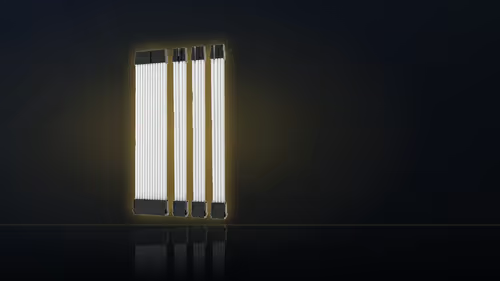
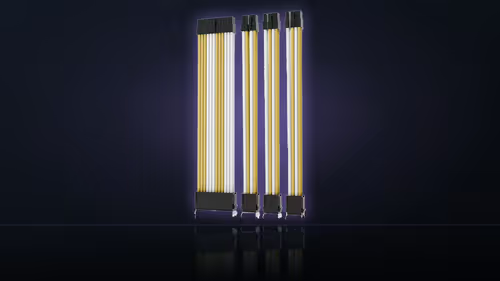
It is tempting to assume cable combs matter less when only a short stretch of a run is actually visible - less cable, surely, means less that can go wrong. The opposite tends to be true, and understanding why changes how you should approach a brief exposed section.
Quick Answer
Combs matter more on a short exposed run, not less. A brief stretch gives the eye a clear view of uneven spacing, with nowhere for a mistake to hide. One near each end keeps the strands parallel where it counts.
👁️ Why a short run is judged more harshly
On a long visible run, the eye tends to follow the overall line of the cable, and small spacing inconsistencies along the way get absorbed into that broader impression. A short exposed section offers no such buffer - the whole length is taken in at once, as a single detail rather than a line to follow, which means any unevenness in spacing is immediately obvious rather than lost in the length of the run.
📍 Where combs earn their place on a brief section
Position combs near each end of the exposed length - just inside where the cable first emerges into view, and just before it disappears back into the socket - so the entire visible span is held flat from one end to the other. Even a genuinely short stretch benefits from this bracketing approach, since it is exactly the ends of a short run where the eye naturally lands first.
1️⃣ When one comb is enough, and when it is not
A single comb placed in the middle can be sufficient on a very short stretch, but if the strands still fan out visibly at either end despite that middle comb, adding a second is the correct fix - not repositioning the one you already have. The underlying cause of uneven spacing is usually strands settling out of order during the initial routing, and straightening them by hand along the full visible length before combing resolves the majority of these cases before a comb is even involved.
🕳️ Shrouds, sizing and keeping things snug
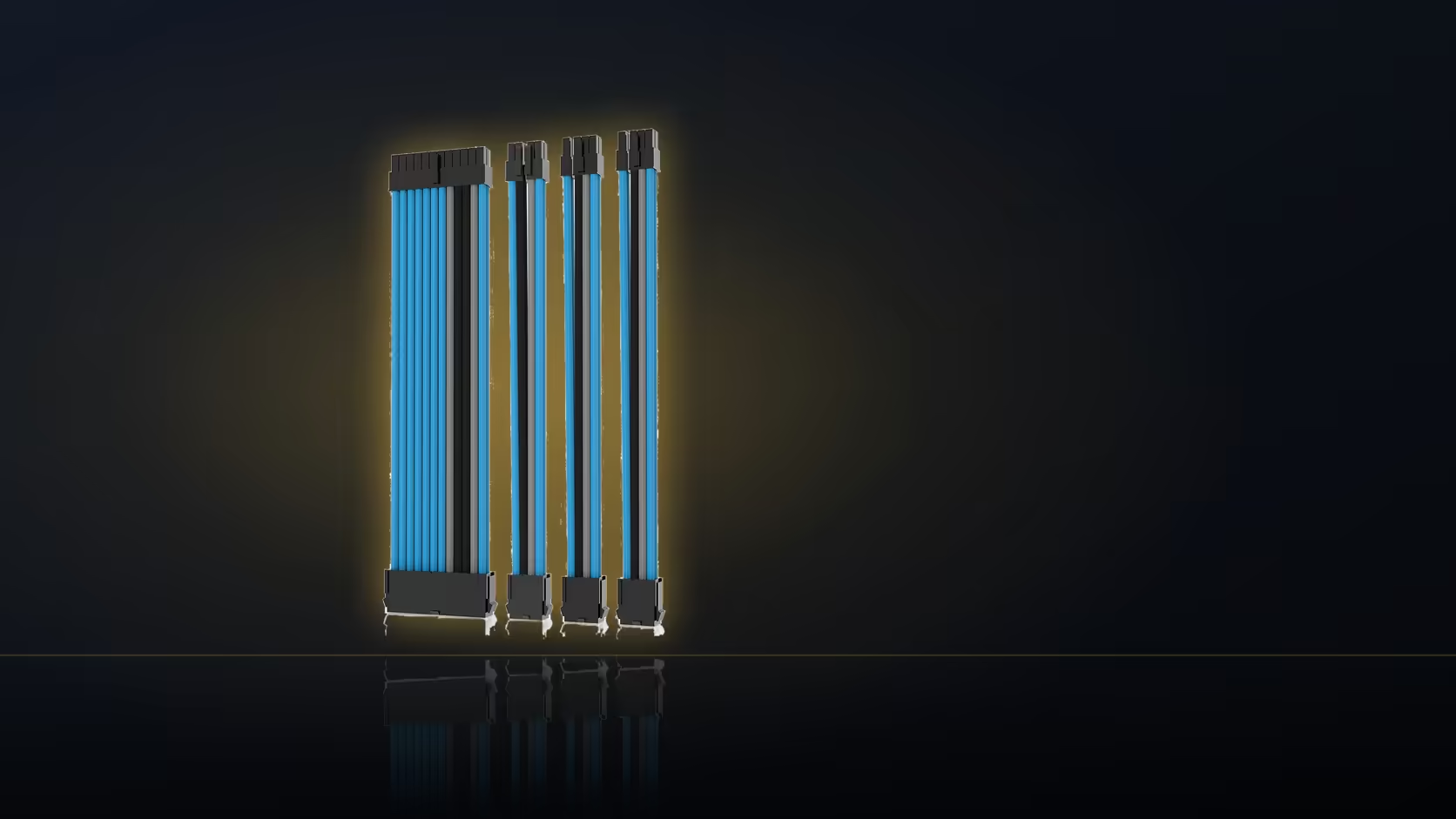
Where a power supply shroud hides most of a run, combs only need to do their job over the portion that actually shows above the shroud line - which is often precisely the short stretch this whole question is about. The combs supplied in this kit come matched to the extensions themselves, so each lead gets combs sized for its own strand count and pitch rather than a generic one-size fit. And a comb should hold its position without pinching too tightly: loose enough to slide along the sleeve by hand when adjustments are needed, firm enough that the spacing does not quietly drift once the side panel goes back on. The rest of this kit's range lives at cable solutions, and when even a short run needs an exact custom length, that is what individually sleeved premium cables is built to deliver.
Frequently Asked Questions
Does a shorter run really need spacing help?
It does, because the whole length is in view at once. Over a long run the eye follows the line, while a short one is judged as a single detail.
Where should combs sit on a brief exposed section?
Near each end, just inside where the cable emerges and just before it reaches the socket, so the whole visible span is held flat.
Is one comb enough on a very short stretch?
Sometimes, placed in the middle. If the strands still fan at the ends, a second is the fix rather than repositioning the first.
What causes uneven spacing in the first place?
Strands settling out of order during routing. Straightening them by hand along the full length before combing solves most of it.
Do combs help where a shroud hides the run?
Only over the part that shows above the shroud, which is often precisely the short stretch this question is about.
Are the supplied combs sized for all four leads?
They come matched to the extensions in the kit, so each lead has combs made for its own strand count and pitch.
Can a comb be left slightly loose?
It should hold without pinching. Loose enough to slide by hand, firm enough that the spacing does not drift once the panel is back on.
Dressing a short but fully visible cable section?
Take a look at Evetech's power supply range and see how these extensions handle a compact, high-visibility run.