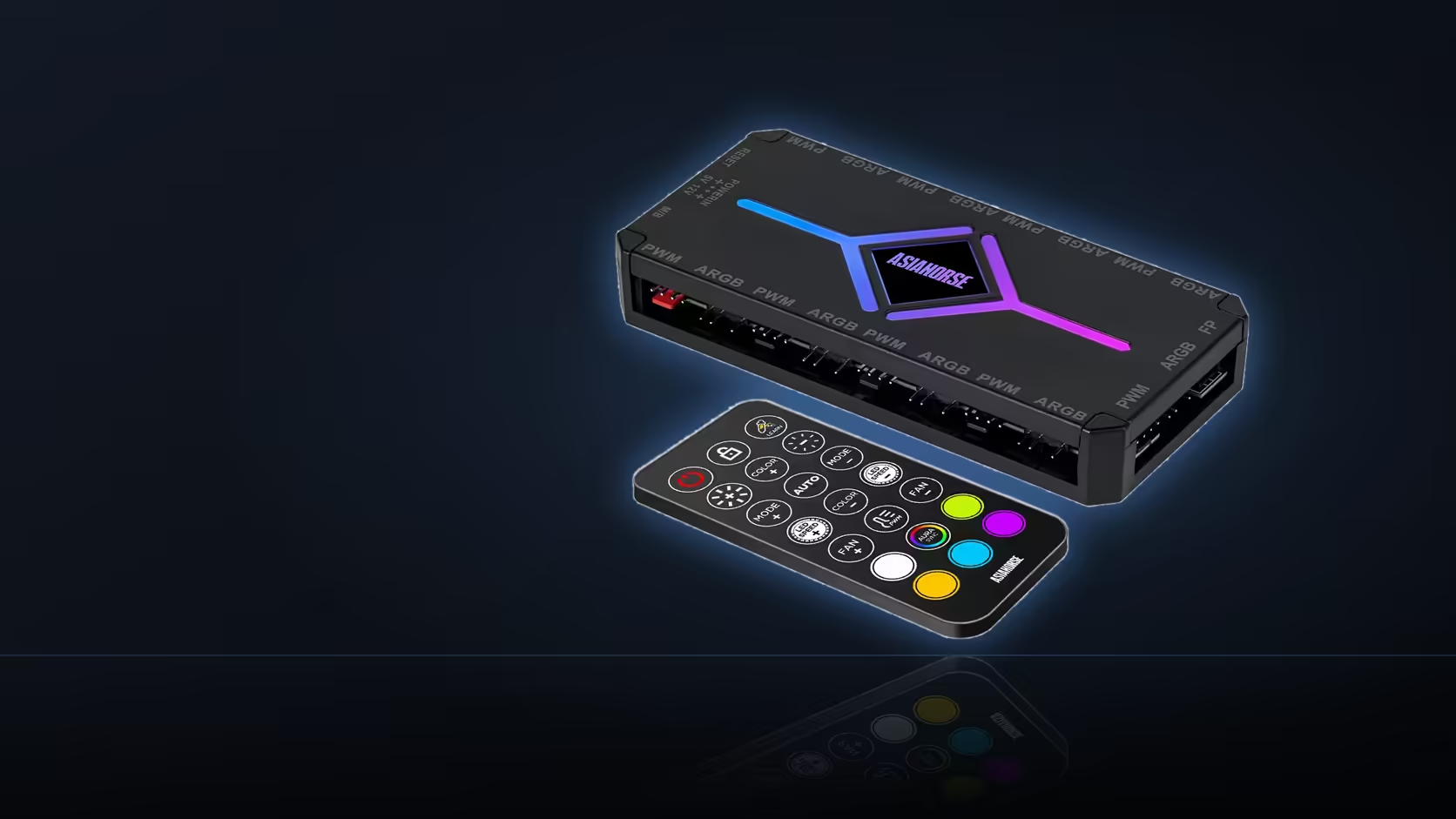
A 377-LED ceiling sounds like a hard limit until you actually try to fill it. The AsiaHorse ASH-S1 hub caps its total addressable lighting at 377 LEDs, and a 16-LED Nyota A12 fan is the smallest, cheapest unit you would throw at that number, so the obvious question is how many fit before the hub says no.
Quick Answer
Dividing 377 by 16 gives twenty-three fans with nine LEDs to spare. In practice you will run out of the hub's nine ARGB ports long before you run out of LED budget, since three fans per port at nine ports is already twenty-seven fans' worth of connections. The ASH-S1 sells for R349, and a three-pack of Nyota A12 fans is R499.
🧮 The arithmetic, done properly
Twenty-three times sixteen comes to 368, leaving nine LEDs unused out of the stated 377. A twenty-fourth fan would push the total to 384 and breach the ceiling, so twenty-three is the honest maximum if the Nyota A12 were the only thing plugged into the hub. That is a tidy number to know, but it is rarely the number that decides anything in a real case, because LED budget and physical fan capacity are two separate constraints and the second one bites first.
🔌 Ports run out before LEDs do
The ASH-S1 carries nine 5V 3-pin ARGB ports alongside its nine 4-pin PWM fan ports. AsiaHorse's Nyota range daisy-chains, so a handful of fans can share one port rather than needing one each - but even generous chaining rarely stretches to eight fans on a single lead before signal or physical routing becomes a problem. Most builds settle on three to six fans total, which sits nowhere near either the port count or the LED ceiling. The number that actually matters day to day is how many fan positions your case has, not how many LEDs the hub can theoretically drive.
💡 What else eats into the 377
The 377-LED figure covers everything wired to the hub's ARGB side, not just fans. An AsiaHorse cable cover or a lit memory cover plugged into the same hub draws from the identical pool, so a build running fans plus a couple of cosmetic accessories eats the ceiling faster than fans alone would suggest. Swap in the Amici 5GT, which lists 24 LEDs per fan instead of sixteen, and the same math shifts to just under sixteen fans before the ceiling is reached - a useful reminder that the 377 number is only ever as good as which fan family you are counting.
Most people planning a lit build will land well inside these numbers regardless of which fan they choose, and the real planning work is picking a case with enough physical case fan mounts rather than worrying about LED arithmetic at all.
Frequently Asked Questions
What is the arithmetic?
Dividing 377 by the 16 LEDs in each Nyota A12 ring leaves room for twenty-three fans, with nine LEDs of headroom left over.
Would a real build reach that?
Almost never. The hub's nine ARGB ports become the practical limit long before the LED total does, since most cases hold far fewer than twenty-three fan positions.
Do other devices count too?
Yes. Cable covers, memory covers and drive covers all draw from the same 377-LED pool once they share the hub, so a mixed setup uses up the ceiling faster than fans alone.
Which fans carry more LEDs?
The Amici 5GT lists 24 LEDs per ring, so a row of those reaches the ceiling with roughly sixteen fans rather than twenty-three.
Does daisy-chaining change the total?
No. Every LED downstream of a port still counts toward the 377, whether it reaches the hub directly or through another chained device.
Is it worth leaving spare capacity?
It helps. Builds tend to gain lighting over time, and a couple of families in this range publish no LED count at all, so a margin below the ceiling avoids a nasty surprise later.
What happens if the total is exceeded?
The hub is rated at 377 LEDs, so going over means either moving a device to a motherboard header instead or splitting the lighting across two connections.
Planning an ARGB fan layout?
Have a look at Evetech's case range to see which chassis gives you enough fan mounts before the LED count ever becomes the limit.