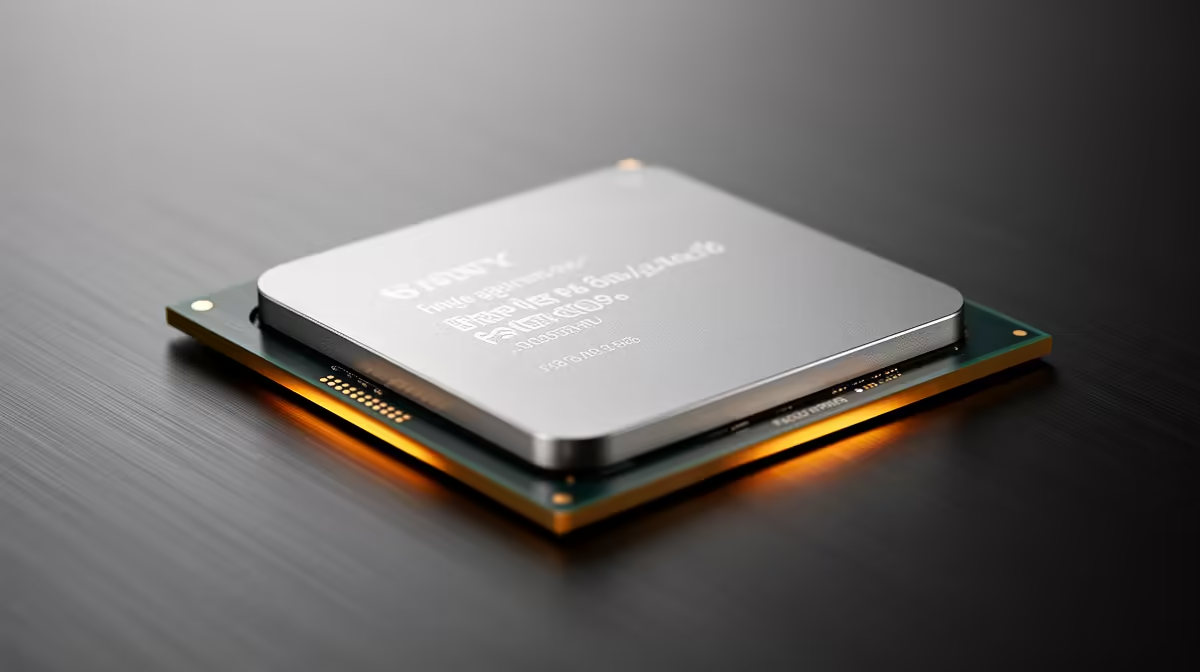
The Ryzen 5 8600G is a practical first stage for an AM5 gaming PC. Its Radeon 760M graphics can handle esports and lighter 1080p games while the six Zen 4 cores cover everyday work. A later graphics card turns the same machine into a much stronger gaming system.
Quick Answer
Buy the 8600G when one processor must provide both CPU and display performance at the start. The Ryzen 7 8700G is faster on both sides, while a conventional Ryzen plus discrete GPU gives you a higher gaming ceiling. Choose by the games you need to run before that GPU arrives.
Look through AMD desktop CPU choices, compare Intel processors and their graphics options, and check the Ryzen 5 selection. Price a named chip with the complete AM5 platform.
A Lighter APU Package
The 8600G combines six cores and 12 threads with Radeon 760M graphics built from eight RDNA 3 compute units. AMD sets the default TDP at 65W. This makes it suitable for a compact, efficient PC with useful game capability.
The 8700G adds two CPU cores and four more graphics compute units. That gap matters when you want higher integrated frame rates or run threaded work. The 8600G earns its place when its saving improves memory, storage or the future GPU.
Memory Is Part of the Graphics System
The Radeon iGPU borrows bandwidth and capacity from DDR5. Use two matched modules, enable a stable memory profile and confirm both channels are active. One memory stick can leave a large part of the graphics performance unused.
Give Windows and the game enough capacity after the iGPU reservation. A 32GB kit is a comfortable starting point for a fresh build, while the exact speed should follow board compatibility and stability.
Choose Games With the Hardware
Valorant, Rocket League and many indie games fit the 8600G idea well. Begin at 1080p low or medium settings and target stable lows. Heavier releases may need 900p, 720p or an FSR quality mode.
Avoid treating one synthetic score as a game library. Check current tests for your titles, then watch movement and combat rather than a still scene. A locked, steady result feels better than a higher average that drops during every fight.
Prepare the Upgrade Path
Buy a case with room for the planned card and a PSU chosen for that card's power class. Keep an intake path clear. When the discrete GPU is fitted, connect the monitor to its outputs rather than the motherboard.
The six-core CPU can remain a sound partner for a mid-range card. If your long-term plan involves a flagship GPU and very high refresh rates, compare a conventional Ryzen CPU before building around the APU.
The 8600G works when you value a usable PC at each stage. Its integrated graphics should cover a defined list of games, and the rest of the parts should support the final build without replacement.
FAQ
Is the Ryzen 5 8600G good for 1080p gaming?
It is capable in esports and lighter games with tuned settings. New AAA titles can require lower resolution or upscaling.
How much faster is the 8700G iGPU?
It has 12 graphics compute units versus eight in the 8600G, plus two more CPU cores. Check game-specific tests for the lived gap.
What GPU should I add later?
Choose from your monitor resolution and frame target. Confirm PSU capacity, case space and CPU performance for the exact card.
Test the Ryzen 5 8600G against your starter game list, then build the PSU, case and memory around the final discrete-GPU plan.