Smart functions deserve attention only after a chair fits the user, desk and daily movement pattern. A smart ergonomic chair buying checklist should cover support, seat airflow, active comfort and power requirements without assuming dimensions or capacity. The HBADA X7 provides a R14,999 reference.
Quick Answer
A strong smart-chair shortlist should include real-time pressure sensing, automatic lumbar movement, saved preferences, adjustable arms and headrest, active seat airflow and clear controls.
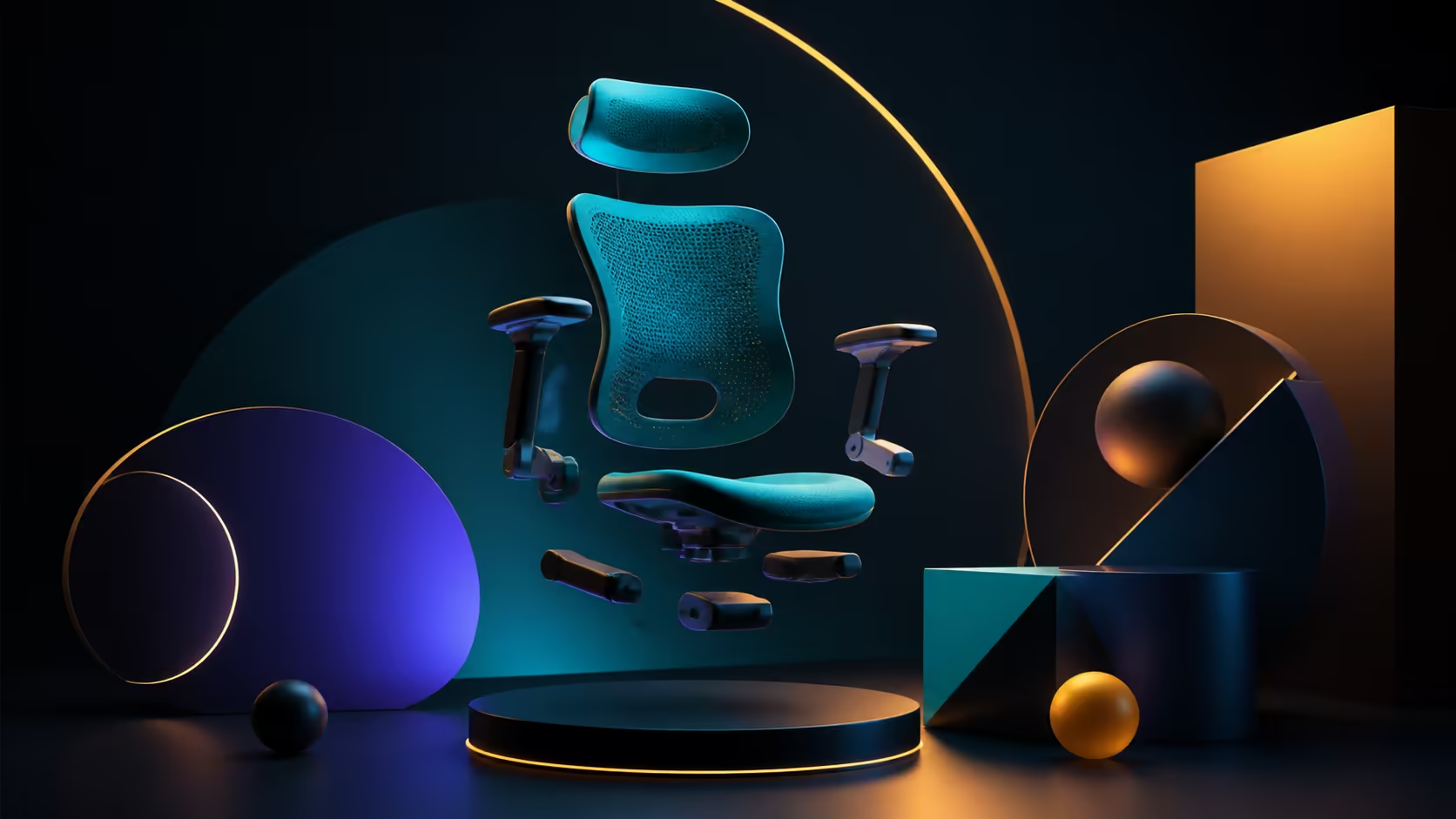
Look first for useful body fit, understandable adjustment and a seat that works through the intended session. In the R14,999 X7, posture data reaches an intelligent processor that drives a millimetre-precision lumbar motor; massage, warmth and cushion airflow add separate functions. Plan its excluded battery, dimensions and capacity separately.
🧭 Put fit ahead of feature count
Define the user's desk height, preferred screen position and normal posture changes. Check whether feet remain secure, controls stay reachable and back support contacts the intended area. If a chair cannot clear those basics, extra electronics do not rescue the setup.
Use Evetech's HBADA office-chair range to compare exact smart models after the fit requirements are written. Keep measurements and rated capacity as mandatory blanks until they are verified for each candidate.
🧭 Decide which smart functions have jobs
Automated tracking can matter to a user who moves between focused and relaxed postures. Massage or heat may support a preferred break routine, while ventilation addresses the seating environment. Assign each function a specific time and task instead of treating all electronics as one premium.
Try active functions individually and follow the exact operating guidance. Do not create massage-mode counts, temperature levels or medical benefits. The X7's battery exclusion also means the correct power item belongs on the pre-purchase list.
🧭 Build a complete acceptance card
Write pass conditions for lumbar contact, seat pressure, desk reach, adjustment clarity, power setup and recovery after a break. Add room clearance, dimensions and load capacity once exact values are available. A shared chair should also be easy for the next user to reset.
Compare broader choices in Evetech's office-chair selection. A simpler candidate can offer stronger value when it clears every mandatory row, while the X7 earns its price when its automated and active features become regular parts of the routine.
Test the checklist after sleep, breaks and sharing
Leave the chair in the accepted position, step away and return for another work block. Confirm that support, desk reach and active-function choices remain understandable. A setting that works only immediately after a long adjustment session may be too fragile for daily use.
If the chair is shared, ask the next person to establish their own fit and then restore the first user's baseline. Count the controls that require explanation. Automation can reduce repeated tuning, but no assumption about the X7's sensors is needed to decide whether the handover is simple.
Revisit the checklist after a week. Mark which smart functions entered normal use, whether the ventilated seat served the environment and whether battery planning created extra friction. Keep any unresolved dimension or capacity row open. A smart chair is ready for purchase only when the routine, room and user all clear their mandatory conditions.
The X7 covers those areas with a chip processing 1,000 feedback cycles per second, a millimetre-precision motor, posture memory, 720-degree arm adjustment, a 4D headrest and three fan speeds. Fit and room dimensions still decide whether those systems are usable for the owner.
Frequently Asked Questions
Which support feature deserves attention first?
Start with where and how the lumbar support contacts the user during normal desk work. Control sophistication matters only after fit passes.
What active comfort features does the X7 include?
The X7 includes massage and heat functions in addition to its automated lumbar tracking and adjustable support.
How does the seat address airflow?
Airflow is built into an X7 cushion made with DuPont Performance Polymers. Internal layering and a measured cooling result remain distinct questions.
What power detail belongs on the checklist?
Powered X7 functions require a battery that buyers must obtain separately. Identify the correct item and operating procedure before those functions enter the checklist.
Should dimensions and load capacity be assumed?
No. Verify exact measurements and rated capacity for the intended user, desk and room before completing the decision.
How much does the HBADA X7 cost?
The chair costs R14,999. Compare that amount with the smart functions used regularly, then add the verified battery item because it is not included. Confirm dimensions, capacity and active-function operation separately before using them to justify the price. Revisit the score after a full working week.
Preserve the task that justified each retained function when the score is reviewed after a full working week.
Ready to turn smart-chair features into a practical shortlist?
Explore Evetech seating with fit, power, support and room criteria fixed before comparing extras.