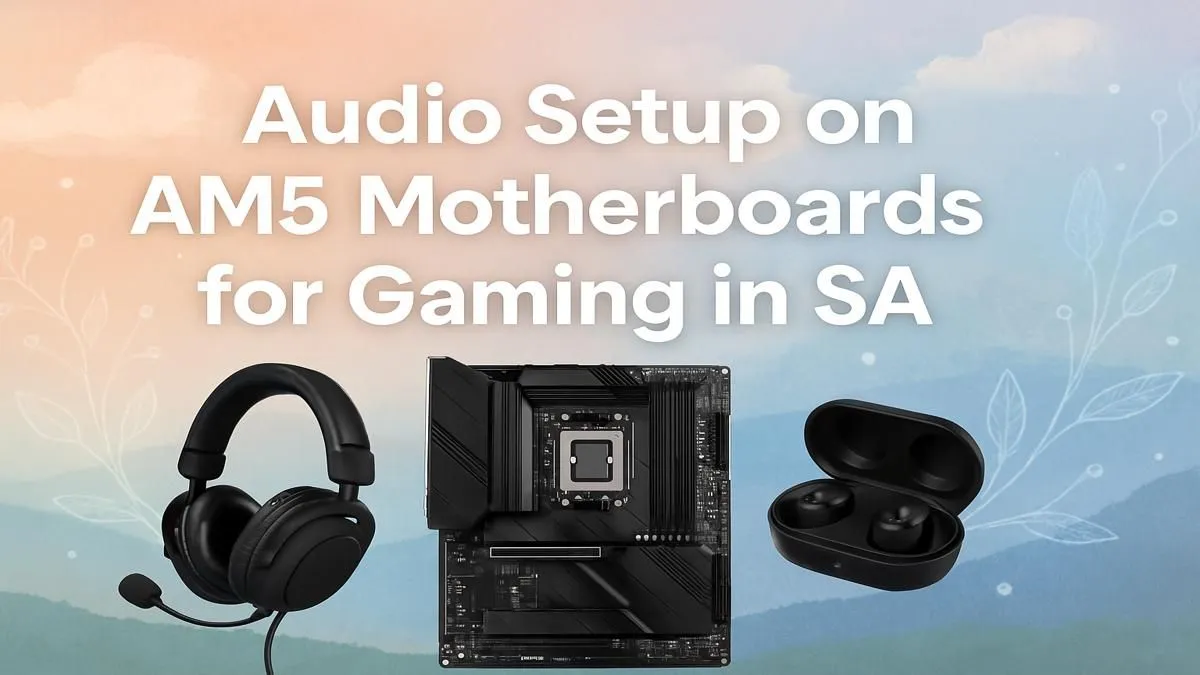
So you've just dropped some serious cash on a shiny new AM5 rig. The Ryzen CPU is humming, your GPU is ready to push frames, but something's... off. The sound is flat. Footsteps in Apex Legends are muffled, and the epic soundtrack of your favourite RPG sounds like it's coming through a tin can. A frustratingly common issue, hey? Don't worry, a perfect AM5 motherboard audio setup is easier to achieve than you think. 🔧
Understanding Your AM5 Motherboard's Onboard Audio
Before you start blaming your headphones, let's look at the source: your motherboard's built-in sound chip. For years, "onboard audio" was a dirty word among gamers, but times have changed. Modern motherboards, especially on the AM5 platform, often feature high-quality Realtek audio codecs (like the ALC1220 or even the ALC4080) that are more than capable of delivering immersive, crystal-clear sound for gaming.
The key is knowing how to unlock that potential. A proper AM5 motherboard audio setup isn't just about plugging your headset in. It’s about ensuring the hardware, drivers, and software are all speaking the same language. For most gamers building a new PC, a solid foundation like one of the many available AMD B650 motherboards provides an excellent balance of features and high-fidelity audio to get you started.
Dialing It In: The Ultimate AM5 Audio Setup Guide
Getting your sound right is a process of small, crucial steps. Follow this guide to get your audio sounding crisp, clear, and accurate.
Step 1: Get the Right Drivers
First things first: ignore those generic drivers from the Realtek website. Always download the latest audio driver directly from your motherboard manufacturer's support page (e.g., ASUS, MSI, Gigabyte). These drivers are specifically optimised for the audio chip and layout of your board, ensuring better performance and stability. An outdated driver is the number one cause of poor audio quality.
Front or Back? Choose Your Port Wisely ⚡
Always plug your primary gaming headset or speakers into the rear audio ports of your motherboard (usually the green one). These ports connect directly to the audio chipset for the cleanest signal. The front panel ports are convenient but can sometimes pick up electrical interference from other internal components, leading to static or buzzing.
Step 2: Configure the Realtek Audio Console
Once your drivers are installed, search for "Realtek Audio Console" in your Windows search bar. This is your command centre. Here are the key settings to check:
- Speakers/Headphones: Make sure the correct output is selected. Under the "Speakers" tab, click "Speaker Configuration" and select "Stereo" for most headphones and 2.1 speaker systems.
- Default Format: Set this to at least "24bits, 48000 Hz (Studio Quality)". This is a great sweet spot for gaming without putting unnecessary strain on your system.
- Disable Enhancements: Turn off any "enhancements" like "Loudness Equalization" or virtual surround sound effects here. While they can sound cool, they often compress the audio, which can ruin directional cues in competitive games.
Step 3: Check Your Windows Settings
Finally, right-click the speaker icon in your taskbar, go to "Sound settings," and click on your primary output device. Ensure the format here matches what you set in the Realtek console. This is also where you can enable Spatial Sound like Windows Sonic for Headphones if you enjoy virtual surround sound. A complete AM5 motherboard audio setup ensures all these layers work together perfectly.
Troubleshooting Common Audio Problems
Still hearing crackling or static? Don't panic. Sometimes, even with the newest hardware like the upcoming AMD B850 motherboards, small issues can pop up. A quick driver re-installation using a program like DDU (Display Driver Uninstaller) in safe mode can often solve persistent software conflicts. Also, check for a motherboard BIOS update, as these can include important audio compatibility fixes. ✨
Is a Dedicated Sound Card Still Worth It?
For 99% of gamers in South Africa, the answer is no. The onboard audio on today's AM5 motherboards is truly excellent. Unless you're an audiophile with high-impedance studio headphones or a content creator needing specialised inputs, your money is better spent elsewhere in your build. High-end boards, such as the premium AMD X870 motherboards, often include top-tier audio solutions that rival many dedicated cards, making them a fantastic all-in-one choice for enthusiasts.
By optimising what you already have, you can achieve an incredible audio experience without spending an extra cent. Happy gaming! 🚀
Ready to Build Your Perfect Soundstage?
A great gaming experience relies on more than just graphics... it needs powerful, clear audio. Your motherboard is the heart of it all. Explore our massive range of AM5 motherboards and find the perfect foundation to conquer your world.