A compact case in a small Johannesburg flat often has room for one radiator mount, and that mount is rarely the one you want. The top may take a 240mm radiator, the front may hold a fan and a drive cage, and the side may be too close to the wall for any radiator at all. Picking an AIO for that case means finding the one mount that works and building the cooler around it. Here is how to measure the mounts in a compact case, choose the radiator size that fits, and avoid the common mistakes that come with a tight build.
Quick Answer
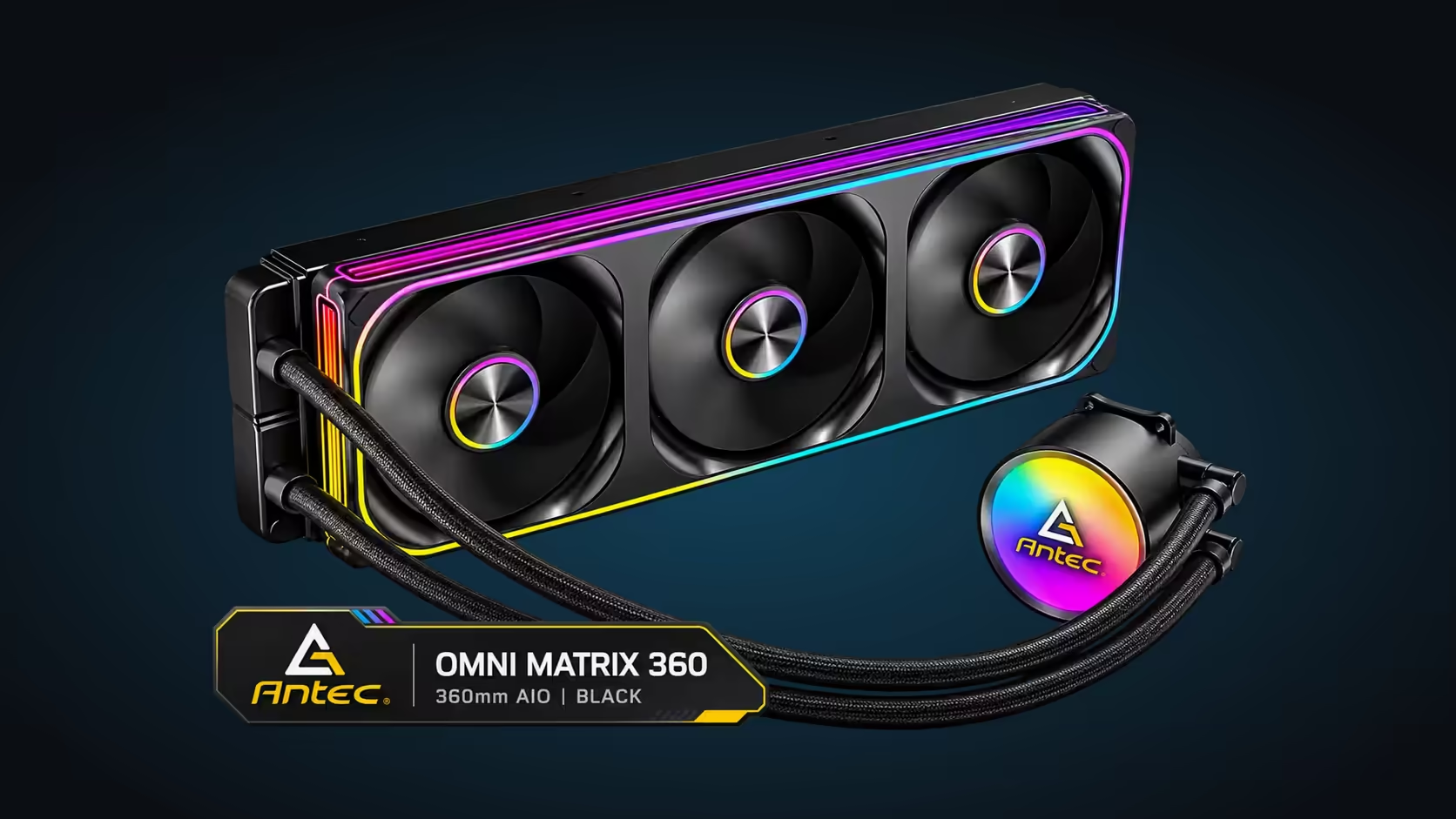
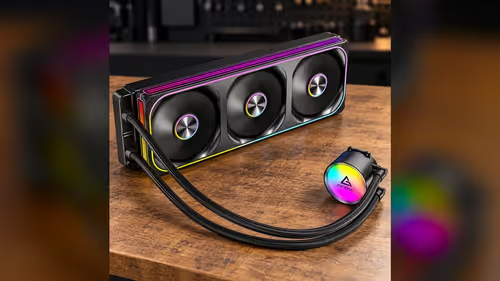
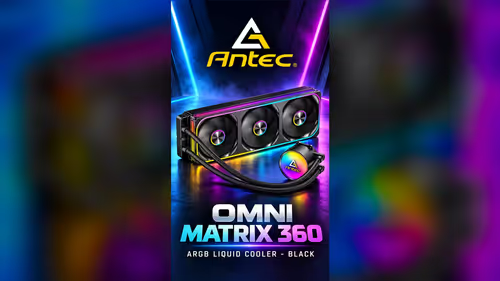
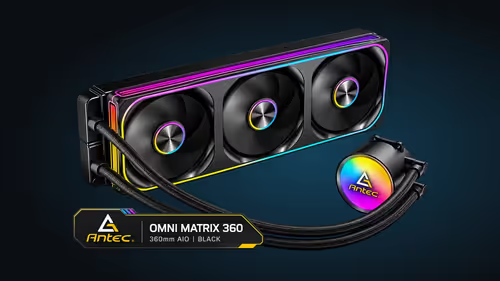
Measure the front and top slots, then check the fan thickness before you choose a radiator. A 360mm AIO needs a full slot, and the Antec Omni Matrix 360 at R999 is a good test case for that check. If the case has only a 240mm mount, a 240mm cooler is the sensible choice, and the 360mm model waits for a bigger case.
📐 Measure every mount the case gives you
Start with the mounts on the case specification and then measure them yourself. A compact case may list a 360mm front mount that is shared with a fan or a drive cage. Measure the clear length of each mount, then check which fans and drives take up space in the same area.
Write down three numbers for each mount: the clear length, the depth from the case wall and the clearance to the board. A small case has little room, so the depth figure is often the one that rules a radiator out. Keep the numbers in one list so you can compare the mounts side by side.
Some compact cases have a mount on the top that sits close to the motherboard. Measure the gap between the top panel and the highest component on the board, such as the tallest memory module, before you decide that the top is free.
🧱 Radiator size against the mount
Between a 240mm radiator (about 277mm long) and a 360mm one (about 394mm) there is a gap of about 117mm, and that gap often decides the fit. A compact case with a 300mm front mount can take a 240mm radiator with room to spare, and it cannot take a 360mm one.
Fan thickness adds depth. A 120mm fan is about 25mm thick, and a radiator adds its own thickness on top. A 240mm radiator with two fans takes a smaller depth than a 360mm radiator with three, so the depth may decide the choice even when the length does not.
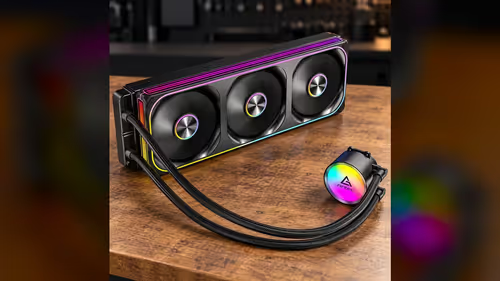
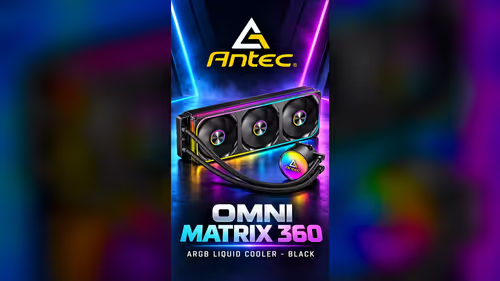
The Antec Omni Matrix 360 suits a case that has a full 360mm slot and enough depth for three fans. In a small case without that slot, the same cooler will not fit, and a 240mm model is the honest choice.
🏢 Working around a tight flat
In a flat, the case often sits on a desk against a wall. That wall limits the airflow to the case, and a radiator that breathes through a closed front will run warmer. Leave a few centimetres between the case and the wall, so the fans can draw air in. Leave at least 5cm between the case and the wall, so the fans can draw air in.
Noise matters in a flat, too. A smaller radiator usually needs its fans to run faster for the same result, so a compact build can get louder than a larger one. Set the fan curve to a quiet floor, and test the result at night, when the flat is quiet.
Think about the cables as well. A compact case leaves little room for the pump lead and the fan leads, and a cable that presses against the radiator can rub or pull. Route the cables early, and tie them back before you mount the radiator.
🧭 Choosing the case first, then the cooler
The case should drive the cooler choice, not the other way round. Pick the case that fits your desk and your budget, then measure its mounts. The radiator size follows from the mount, and the processor's heat tells you whether the mount is enough.
For a compact case with one mount, a 240mm cooler is often enough for a midrange processor. For a case with a clear 360mm slot, the larger radiator gives more cooling headroom. Look at the mini-ITX and micro-ATX cases on our mini-ITX and micro-ATX cases page, and compare them with the larger options on the mid tower cases page.
Our CPU coolers category shows the radiator sizes side by side, so you can match the cooler to the mount you measured.
Frequently Asked Questions
Can a compact case take a 360mm AIO?
Only if it has a full 360mm slot and enough depth for three fans. Many compact cases offer only a 240mm mount, so measure before you choose.
How much room does a 360mm radiator need compared with a 240mm one?
Roughly 117mm separates the two, with the 360mm unit near 394mm and the 240mm near 277mm. Fan thickness adds depth to both sizes.
Does a wall behind the case affect cooling?
Yes. A case pressed against a wall can starve the fans of air, so leave a few centimetres between the case and the wall.
Should I buy a smaller cooler for a flat?
Often, yes. A smaller radiator fits more cases, and it keeps the build simpler when space and noise both matter.
Building in a compact case?
Browse our mini-ITX and micro-ATX cases, then choose a cooler that matches the mount you measured.