There is nothing worse than a midnight gaming session in a quiet Joburg suburb being ruined by a PC that sounds like a jet taking off. You want immersion, not a vacuum cleaner under your desk. Building a Silent PC Build: Achieve Quiet Cooling Without Sacrifices is about balance. It involves picking parts that whisper while keeping your frame rates high and temperatures low. ✨
The Secret to a Silent PC Build
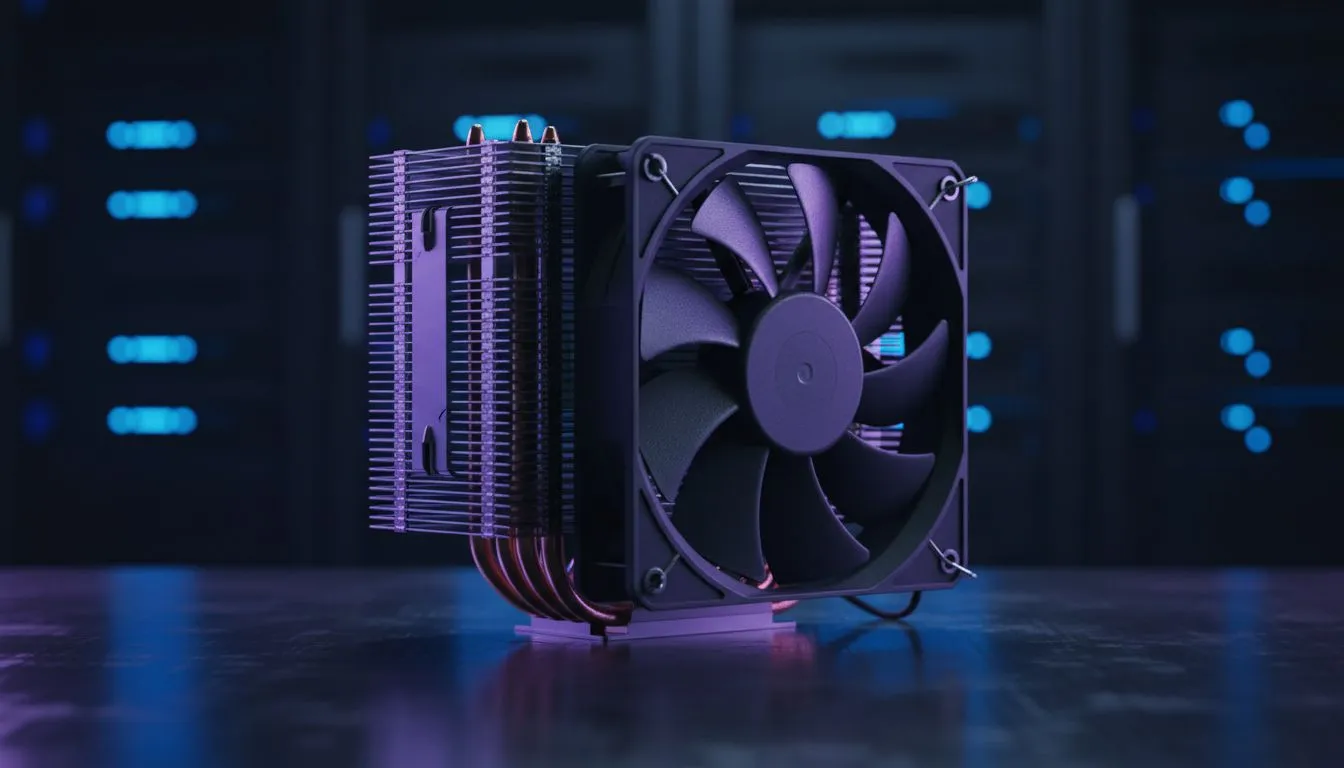
The foundation of any quiet rig starts with choosing the right thermal solution. If your fans are constantly spinning at max RPM, your components are likely struggling to breathe. Evetech offers a comprehensive range of cpu coolers designed to handle the heat of the South African summer without the extra noise.
When you prioritise silence, you need to look at the mass of the heatsink. A larger heatsink can dissipate more heat passively... this means your fans do not have to work as hard. It is a simple physics trick that many builders overlook when trying to save a few Rand.
Selecting the Best Air Cooler for Quiet Performance
Many enthusiasts prefer a high-performance Air Cooler over liquid cooling because there is no pump hum to worry about. Modern air towers are incredibly efficient. They use heat pipes to pull warmth away from the CPU quickly. 🔧
Silent Operation Tip ⚡
Always set a custom fan curve in your BIOS. Aim for a 'stepped' approach where fans stay at 30% until the CPU hits 60 degrees. This prevents the annoying 'revving' sound when opening simple apps like Chrome or Discord.
For most mid-range builds, choosing coolers featuring 120mm Fans is the "sweet spot" for noise-to-performance. These fans move a significant amount of air at lower speeds compared to smaller 80mm or 92mm alternatives.
Reliability Meets Silence: Brand Choice Matters
Not all fans are created equal. Some brands focus specifically on the acoustics of the blade design. If you are looking for premium performance, Deepcool has mastered the art of the silent tower. Their fans use fluid dynamic bearings which reduce friction and eliminate that annoying mechanical clicking sound. 🚀
If you are on a tighter budget but still want to escape the noise, EINAREX offers excellent entry-level options that punch well above their weight. By choosing the right brand, you ensure your Silent PC Build: Achieve Quiet Cooling Without Sacrifices remains a reality for years to come.
Optimising Airflow and Fan Curves
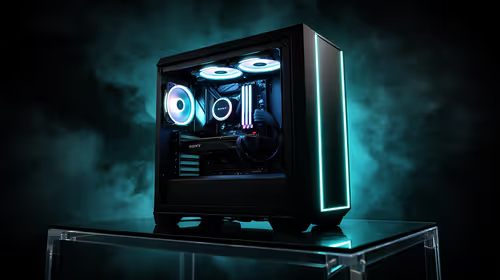
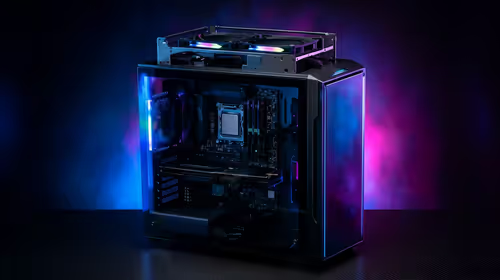
Silence is not just about the CPU. You must consider the case airflow. If your case is a "hot box," your CPU cooler will have to spin faster to compensate. Ensure you have at least two intake fans and one exhaust fan. This creates a steady stream of air that prevents heat soak... keeping your whole system running at a lower decibel level.
Ready to Build Your Silent Masterpiece?
Achieving the perfect balance of silence and power is easier than you think with the right components. Explore our massive range of CPU cooling solutions and find the perfect hardware to keep your rig running cool and quiet.