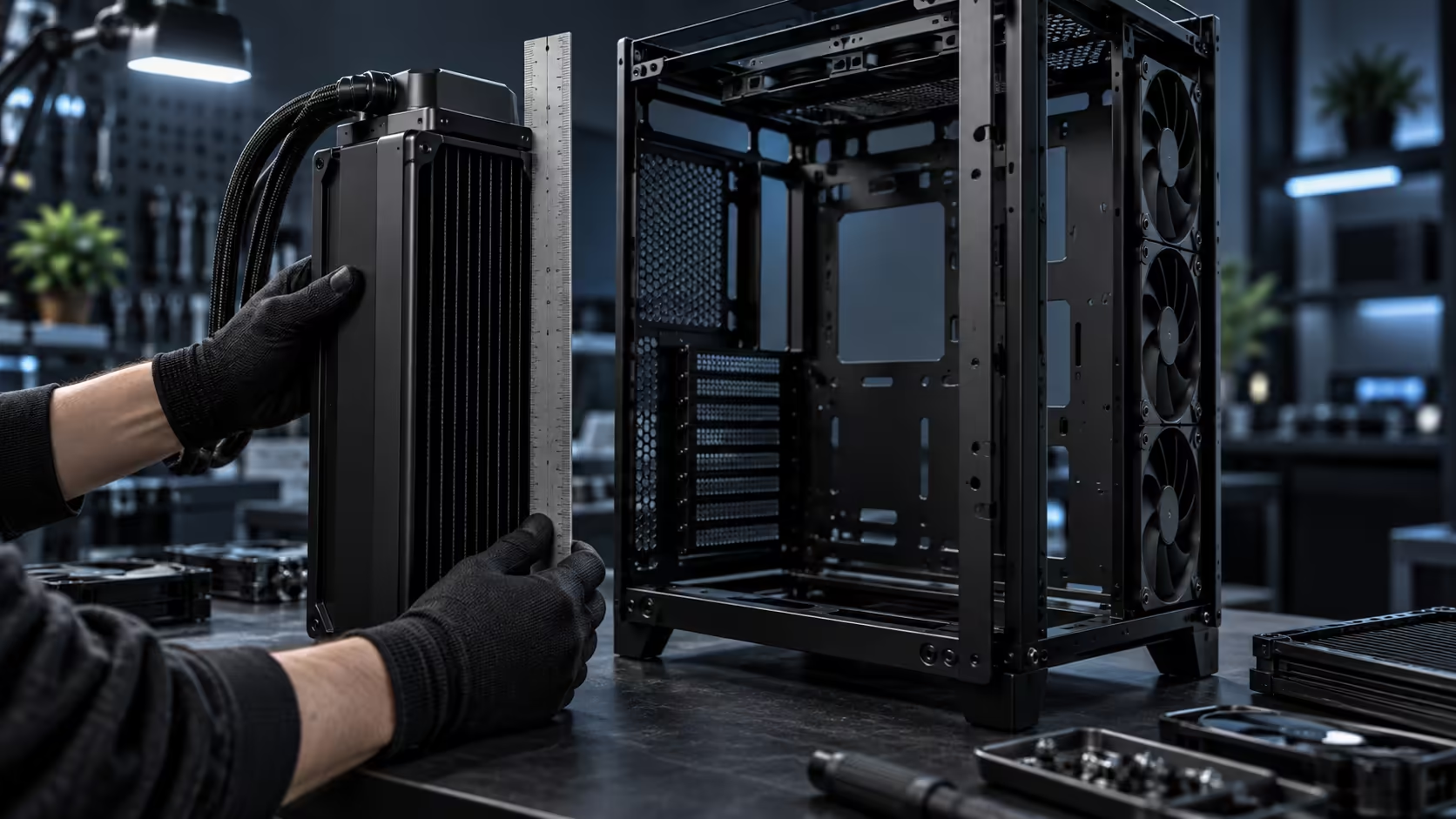
A case rated for a 360mm radiator and a radiator that will not physically close its mounting screws are not a contradiction. They are two different measurements colliding, and the length figure everyone checks first is rarely the one that actually causes the problem. A 360mm radiator fit issue is almost always about thickness, memory height, or fitting length, not the 360mm number itself.
Quick Answer
Length is the number a case's clearance rating already covers, so it is rarely the reason a fit fails. Check radiator-plus-fan thickness against the space between the mount and your motherboard, memory height against the radiator's fan shroud if it sits low, and fitting length against the depth available for tube connectors. The GR20 Edition 20 is rated for a full 360mm row for R15,999, and getting a radiator into that row cleanly depends on these three checks, not the headline number.
📏 Thickness: the measurement everyone forgets
A "360mm radiator" describes length, not the stack's total depth. A slim radiator with slim fans might total 45mm from the mounting rail to the fan's outer face; a thick, high-performance radiator with 25mm fans on both sides for a push-pull setup can run past 75mm for the same length rating.
That extra depth has to go somewhere, and on a roof mount it usually eats into clearance above the motherboard and any tall components near the top edge of the board. Measure the radiator-plus-fan stack's full depth, not just the radiator core, and compare it against the actual clear space in your mounting position before assuming a 360mm rating alone guarantees a fit.
🧠 Memory height: the collision nobody expects
On a roof-mounted radiator, the fans sit directly above the memory slots on many EATX and ATX boards, and memory with a heatspreader taller than about 44mm can physically contact the fan shroud before the radiator's own mounting screws are even tightened. This is one of the more common fit surprises, because neither the case's clearance rating nor the cooler's box mentions it, since it depends on the specific combination of both parts plus your memory.
Measure your memory's total height from the board surface, and check the radiator manufacturer's clearance note for that mounting position, if one is published. Where the two figures are close, mounting the radiator at the front instead of the roof, where this collision does not exist, is often the simpler fix than hunting for lower-profile memory.
🔧 Fitting length: the last few millimetres that matter
The tube fittings where hoses meet the radiator add length past the radiator's own body, sometimes another 15mm to 20mm depending on the fitting, and a mounting position measured tight to the radiator core alone can end up short once that is accounted for, particularly on a radiator with angled fittings rather than straight ones.
This shows up most often at the edge of a mounting rail, where the last screw hole sits close to a frame member or another component. Dry-fit the radiator with its actual fittings attached before drilling down on final screw placement, rather than assuming the bare radiator's measurements tell the whole story.
🛠️ The check order that saves a return
Work through these in sequence before you buy: confirm the radiator's rated size matches your mid-tower case's mounting position, measure the full stack thickness against your available depth, check memory height against the fan shroud if mounting in the roof, and dry-fit with fittings attached before final installation. Skipping straight to installation and discovering a collision partway through costs more time than the checks do up front.
The liquid cooler range lists radiator thickness alongside length precisely because of this trap, so read both figures before assuming length alone tells you anything. If a radiator genuinely will not fit after all of this, a large air tower from the CPU cooler range sidesteps the whole class of fitting problems, since there is no radiator stack, tubing, or fitting depth to account for in the first place.
Frequently Asked Questions
If a case is rated for 360mm, does that guarantee any 360mm radiator fits?
No. That rating covers length, not the total thickness of the radiator and fan stack, which varies significantly between models.
Why would memory cause a radiator fit problem?
On a roof mount, the radiator's fans sit directly above the memory slots on many boards, and tall memory with a large heatspreader can physically contact the fan shroud.
What is fitting length, and why does it matter?
It is the extra length the tube connectors add past the radiator's own body. A mount measured tight to the radiator core alone can end up short once fittings are included.
Should I dry-fit a radiator before final installation?
Yes, with its actual fittings attached rather than the bare radiator, since fitting angle and length can change what appeared to be a comfortable fit on paper.
What is the simplest fix if a radiator collides with memory?
Mount the radiator at the front instead of the roof if your case supports both positions, since the memory collision only exists where the radiator sits directly above the slots.
Ready to avoid a radiator that arrives and does not fit?
Check thickness, memory clearance and fitting length before you order, not after.