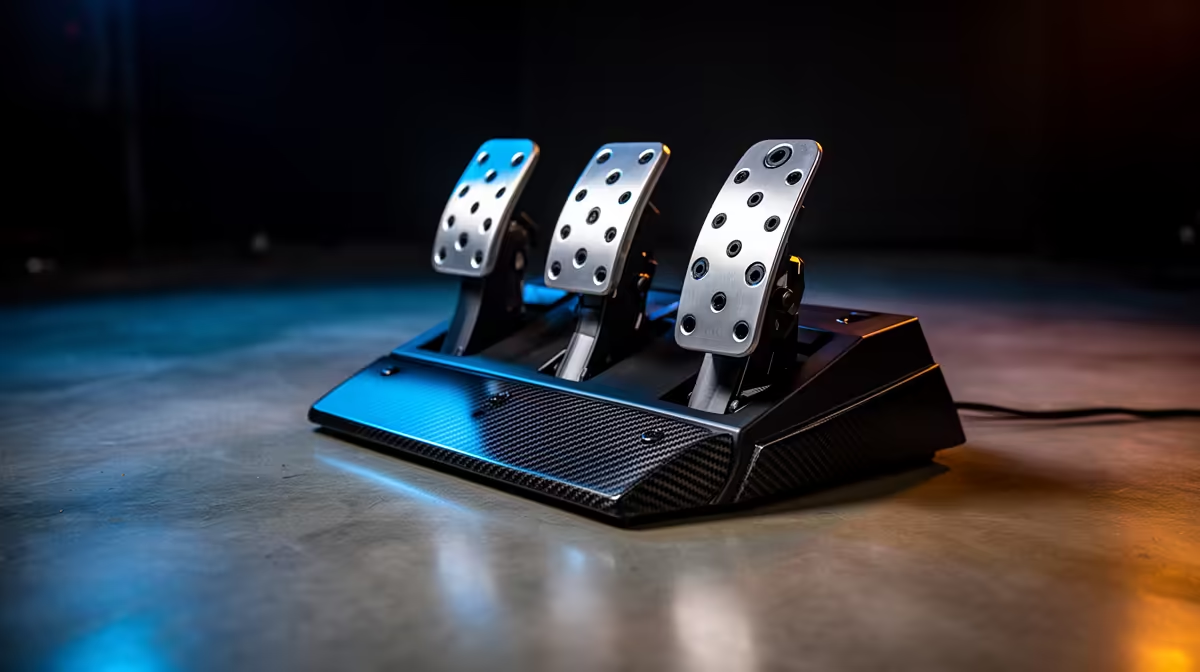
Entry-level pedals can be a clever upgrade when they fit the rest of your rig. The catch is that the Fanatec CSL Pedals price in South Africa may include far more than the product shown on an overseas page. Package contents, shipment weight, border charges and mounting changes all belong in the decision.
Quick Answer
CSL Pedals availability and Rand totals vary with the seller, package and route into South Africa. Never assume a webshop ships here or that its displayed figure includes international carriage and customs duty. Compare the full proposal with Evetech's live racing simulator range for local hardware, current Rand listings and a clearer support path.
🧩 Identify the exact CSL pedal package
The CSL name can cover different configurations and upgrade paths. Confirm how many pedals are included, which brake sensor is fitted and whether a separate control connection is required.
Product images may show a clutch or load-cell piece that sits outside the base package. Use the written contents and part number. Add every optional component to the same cost sheet.
Check the connection path. Some pedal sets plug into a compatible wheelbase, while a standalone PC route may need an adapter or controller. Console compatibility can depend on the wheelbase ecosystem rather than a direct USB cable.
List the cars you drive. Two pedals suit many paddle-shift cars. A clutch matters for an H-pattern manual setup, and its position can affect how you space the brake.
Think about the upgrade order. A stable mount and good seating can improve basic pedals. A load-cell brake adds value once the structure holds force and your technique can use it.
Read the current manual for adjustment limits. Pedal face movement, spacing and resistance may differ between versions. A review of an older package can send you shopping for the wrong accessory.
🪑 Fix movement before adding brake force
Place the pedals where your knee stays bent at full travel. Keep your back against the seat and your heel supported. Pain or hip lift signals a position or resistance problem.
On a floor setup, stop the pedal base and chair from separating. A wall brace can damage skirting, and loose objects can slip. A wheel stand or cockpit creates a controlled mounting surface.
For a rig, download the hole pattern and measure under-plate access. Bolts must clear frame rails and adjustment slots. Use washers and fasteners specified for the mounting material.
Watch the tray while someone presses the brake. Flex changes the relationship between foot travel and sensor input. Reinforce the plate before calibration rather than hiding movement with software.
Align the brake with the leg. You should press forward without twisting the knee inward. Move the throttle aside if that gives the braking leg a straighter path.
Keep cables outside every pivot and heel zone. Cycle all pedals with power off, then secure slack to the fixed frame. Avoid sharp bends near small plugs.
If your desk changes between racing and flying, look through Evetech's flight simulator equipment for ideas about control placement and removable mounts. Mark the racing position so it returns to the same geometry.
🎯 Choose spring or load-cell braking with purpose
A travel-based brake can work well for casual driving and a compact stand. Set a useful range, remove unwanted dead zone and practise a smooth release. Consistency begins with a stable baseline.
A load cell reads applied force. It can help you repeat threshold braking because your leg learns pressure. It also asks more from the pedal plate and seat.
Use telemetry to compare. Complete ten stops with the current brake and note the spread in peak pressure and stopping point. Repeat after the upgrade with equal practice time.
Set the maximum from a force you can reproduce late in a session. Do not use one painful push. Leave enough physical range to modulate near lock-up.
Set the minimum so resting vibration does not create brake input. Check the on-screen pedal bar on a straight and after the hardware warms.
Recalibrate whenever you change spring, elastomer, pedal angle or seating distance. Save the old values with a date. This turns experimentation into something you can reverse.
Clean shoes and a dry heel plate help control. Inspect the mechanism for debris rather than spraying a general lubricant near sensors.
💰 Calculate a usable South African setup
Start with the exact base set. Add clutch or load-cell parts, adapter, mounting hardware and any required wheelbase connection. Then include the cockpit changes needed to hold the new force.
If the route crosses borders, account for international transport, Rand conversion, customs assessment and carrier processing. Check current delivery eligibility rather than relying on an old buyer report.
Evetech's local listings let you compare that figure with complete wheel-and-pedal packages and available racing accessories. A local package may solve more of the rig at once, even when its pedal design differs.
Get fault terms in writing. Ask how a sensor, cable and controller problem will be diagnosed and where the part must go. Keep a photo of every serial number before mounting.
For used pedals, watch raw input while holding each pedal still at several points. Flicker can reveal a sensor or cable issue. Inspect mounting holes for cracks and stripped threads.
Keep unused springs, spacers and cables in labelled bags. A complete baseline helps with resale and troubleshooting. Store the original packaging dry.
Frequently Asked Questions
Does Fanatec ship CSL Pedals to South Africa?
Shipping coverage and terms can change. Check the live seller checkout and written delivery policy for your address. Do not treat an old order report as a promise.
Why can the South African total exceed the overseas listing?
The display price may exclude international transport, currency movement, customs duty and carrier charges. Optional pedal parts and adapters can add another layer.
Can a local rig accept CSL Pedals?
Many rigs can be adapted, but hole spacing, plate strength and bolt access decide the work. Use the current mounting drawing and measure your frame.
Are load-cell pedals worth the jump?
They are valuable when repeatable braking is your problem and the rig can hold the force. A moving seat or weak tray should be fixed first.
What is a realistic final Rand cost?
Build a current written quote for the exact package and route. Include delivery, border assessment, conversion, mounting and any adapter. Avoid borrowing a number from another buyer's date.
Does Evetech list a local alternative?
Evetech's racing pages show the current local range. Compare complete sets and pedal options by sensor, mounting and platform support.
Ready to compare pedal upgrade routes?
Visit Evetech's live racing simulator range, check complete wheel and pedal packages, and match the hardware to your platform and frame.