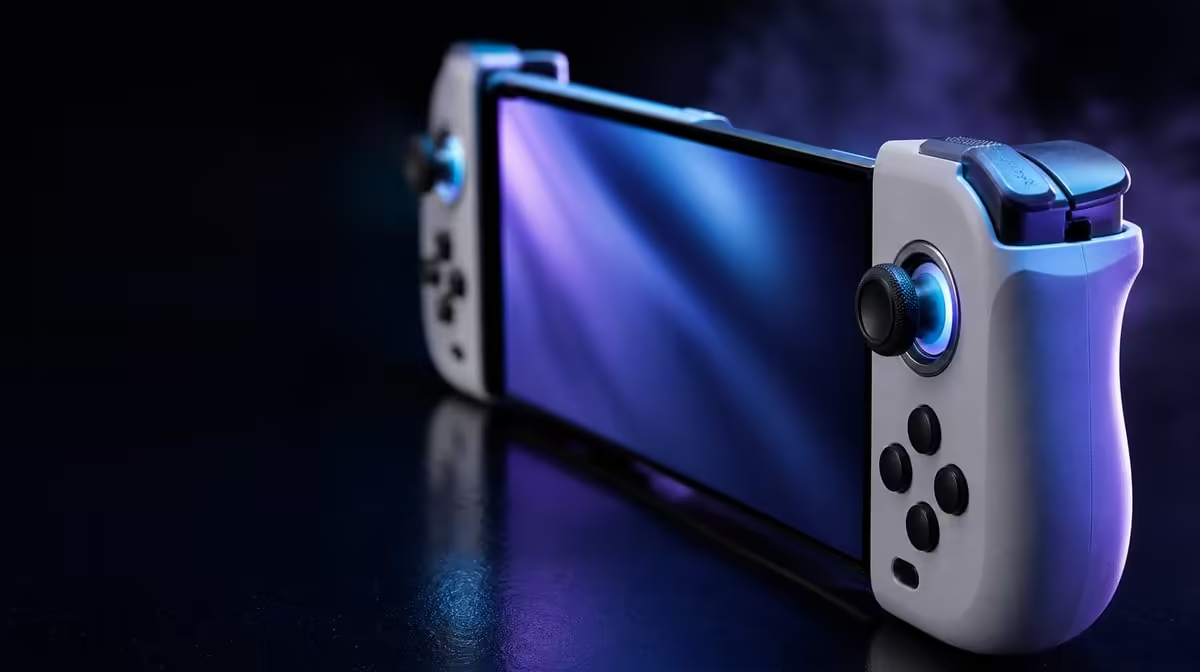
Two controls can sit under the same hand while measuring entirely different things. Hall sticks and micro-switch triggers divide the job cleanly: magnetic sensing reports directional position, and a switch reports a distinct trigger actuation. The R1,199 GameSir X3 Pro combines both approaches, so players can tune continuous movement and rapid digital commands separately.
Quick Answer
Hall sticks use magnetic position sensing for directional travel, while E-Sports trigger switches in this X3 Pro register a clear on-or-off actuation. Both come in the R1,199 controller, giving mobile players anti-drift stick technology alongside short trigger response rather than one sensing method across every input.
🧲 Hall sensing follows a range of positions
A stick needs to report direction and distance from centre across a circular area. Hall sensors derive that position from a magnetic relationship, avoiding the rubbing potentiometer track used by a common traditional design. That removes one contact-wear path associated with drift.
The stick still includes physical pieces such as a cap, shaft, pivot and return mechanism. Impact, debris or changing calibration can affect those elements. "Hall" describes the sensing principle, not permanent immunity from every fault.
Test the X3 Pro with both thumbs removed. Watch neutral input, trace a slow circle and then release again. Only after the raw response appears stable should the game's deadzone and sensitivity be adjusted.
Evetech's gaming controller collection gives buyers a way to compare Hall-equipped designs with other current control layouts.
Fine movement depends on software too
The game turns stick position into on-screen movement through a response curve, acceleration and deadzone. Identical Hall hardware can feel very different across titles because those settings are not identical.
⚡ A micro switch reports an event
The trigger's job is different. A micro switch changes state at a defined actuation point, giving the finger a crisp response for digital-style commands. The player presses until actuation and releases far enough to reset for the next input.
This method suits actions such as firing or shifting where partial pressure carries no benefit. It differs from an analog trigger that can report intermediate travel for a throttle, brake or another graduated action.
Short physical actuation cannot erase other latency. Controller communication, game processing, screen output and online conditions remain outside the trigger mechanism. Evaluate the switch for consistency and finger movement rather than promising instant results everywhere.
Use short practice sets and count missed resets. Pressing harder after actuation adds effort without making a digital command stronger.
🎯 Make both systems cooperate
In a mobile FPS, the right Hall stick can perform broad camera movement while a micro-switch trigger handles the firing event. Tune the stick first, then practise trigger timing, and finally combine them in a target drill.
Six-axis gyro can add fine physical correction in supported games. Calibrate it independently and reduce dual rumble during the first motion trial. The controller then has three distinct layers: continuous stick position, motion input and a switched action.
The gaming accessories section can help organise the phone station. Cable strain must stay away from the hands because it can disturb both stick movement and trigger position.
🧪 Test the technologies on their own terms
For the stick, measure stable centre, smooth circular travel and repeatable fine aim. For the trigger, measure actuation, reset and comfort across repeated presses. A single broad "response" score obscures these separate jobs.
Repeat tests in the games that drive the purchase. One title may map the trigger differently or apply another stick response curve. Save separate profiles rather than forcing common numerical settings.
Storage also affects ownership. Keep grit away from the stick base and prevent weight from pressing either control in a bag. Magnetic sensing and micro switches still sit inside a physical controller that deserves careful handling.
Evetech's popular accessory view offers wider setup context. Keep the decision anchored to whether each input serves a frequent game action.
At R1,199, the X3 Pro gives buyers both technologies without asking them to choose one sensor for every control. Their value comes from using each where its behaviour makes sense.
Build a combined test in three phases. First, move between four fixed targets without firing and record overshoot from the Hall stick. Second, keep the reticle stationary and practise trigger actuation and complete reset. Third, combine movement and one press per target.
This progression reveals whether an error belongs to direction or timing. If aim is stable during phase one but commands disappear in phase two, changing stick sensitivity will not help. If trigger presses are clean yet shots miss in phase three, movement timing deserves work.
Repeat the exercise after the phone has warmed and the cooler has been running. Check that the handset remains seated and the cable does not alter hand position. A controller test should include the complete physical arrangement used in play.
Compare both sides of the controller. Thumb reach and trigger finger angle may not be symmetrical, especially with a large handset. Adjust grip before raising sensitivity or pressing harder.
Use separate profiles for a shooter and racing game. Hall sticks may serve both, while digital-style triggers can be ideal for one and less suitable for graduated driving input in the other. The same hardware can have different value across genres.
The X3 Pro's R1,199 combination works best when the player understands this division of labour. Magnetic position sensing provides a continuous range; the micro switch supplies a defined event. Good configuration lets neither input compensate for a problem in the other.
Record the combined drill after each major game update. If the stick phase remains accurate and trigger timing changes, inspect the title's mapping before changing the Hall profile.
Hand fatigue can blur the distinction late in a session. Repeat one short sequence after a break to see whether missed commands follow the hardware or the player's grip.
At R1,199, the X3 Pro supplies two specialised sensing approaches in one frame. Understanding their separate jobs turns the feature pairing into a useful control system rather than a label.
Add a slow-control round after the speed drill. Trace tiny stick movements while actuating each trigger once, checking that the hand does not jerk the thumb off its line. This reveals grip coupling that rapid play can hide.
Repeat with rumble active. If feedback disturbs the movement, lower vibration before changing stick sensitivity or switch technique.
The two sensor types should remain independent even when used together. A stable grip lets their different strengths arrive in the game without one physical action upsetting the other.
Frequently Asked Questions
How does a Hall stick know its position?
It reads a changing magnetic relationship as the control moves, producing directional and distance information without a rubbing electrical track.
What does a micro-switch trigger report?
It reports a defined actuation event, making it suited to commands that need a clear pressed or released state.
Can Hall sensing prevent every stick problem?
No. Calibration, contamination, impact and surrounding mechanical components can still affect input.
What price includes both control systems?
The GameSir X3 Pro costs R1,199 with Hall sticks and E-Sports Micro Switch Triggers in one cooled mobile frame.
Ready to choose controls by the job each one performs?
Browse Evetech's gaming controller range and test directional travel and trigger actuation as separate decisions.