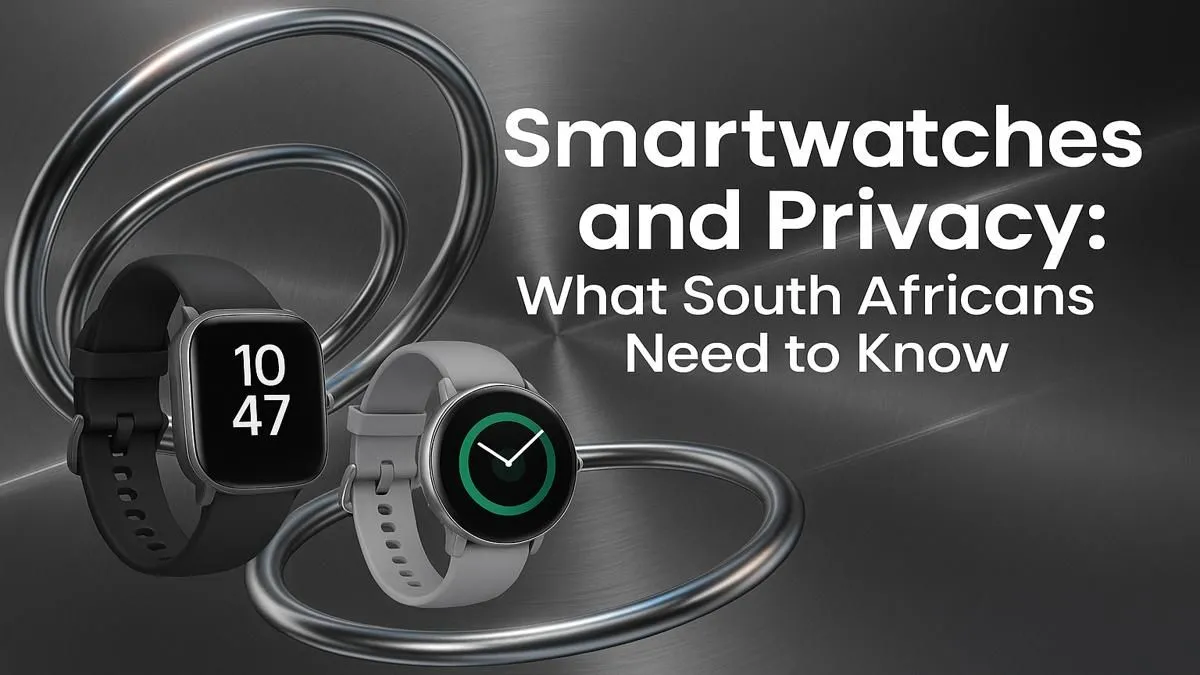
That new smartwatch on your wrist is brilliant, isn't it? It tracks your kays around the neighbourhood, monitors your sleep, and pings you with messages. But have you ever stopped to think where all that personal data goes? In South Africa, with POPIA in full effect, understanding your digital footprint is more crucial than ever. Let's break down what you need to know about smartwatch privacy in South Africa, so you can stay connected and protected. ✨
What Your Smartwatch Knows About You
Before we dive into the legal stuff, it's important to understand just what information your shiny new wearable is gathering. It's more than just your step count. Most modern devices collect a surprising amount of data to provide their helpful features.
- Health & Fitness Metrics: This is the big one. Heart rate, blood oxygen (SpO2), sleep cycles, stress levels, and workout routes are constantly being logged.
- Location Data: Your GPS is tracking your morning run, your trip to the shops, and maybe even your current location for weather updates.
- Personal Communications: Notifications for emails, WhatsApp messages, and calls all pass through your watch.
- Device & Usage Info: Your watch knows which apps you use, how often you use them, and your preferred settings.
Whether you're looking at premium models or the wide range of smart watches available in SA, they all collect data to function. The key is knowing who controls it.
Navigating Privacy in the South African Tech Landscape
Here in Mzansi, we have the Protection of Personal Information Act (POPIA), which gives you rights over how your data is handled. So, how does this apply to a watch made by an international company?
Most major smartwatch brands (like Apple, Samsung, and Google) have global privacy policies that are generally compliant with strong regulations like Europe's GDPR. However, your data is often processed and stored on servers outside of South Africa. While POPIA sets the rules for any company operating here, it's still your responsibility to be aware. This is a crucial aspect of smartwatch privacy in South Africa. Brands like Promate offer smart watches that integrate seamlessly into your life, but it's always wise to check their specific privacy policies, which are usually available on their website or during setup.
POPIA Pro Tip 🇿🇦
Before you buy, take two minutes to search for the brand's privacy policy. Look for clear language about what data is collected and if you can opt out. This simple check empowers you to choose a device from a company that respects your data rights under South African law.
Your Checklist for Better Smartwatch Privacy 🛡️
Feeling a bit exposed? Don't worry. You have significant control over your data. Taking a few minutes to tweak some settings can make a massive difference. You don't need to spend a fortune to get a great device, but even with affordable smartwatches under R1000, taking a moment to secure your settings is a priceless investment in your digital safety.
Review App Permissions
Just like on your phone, every app on your watch asks for permissions. Go through your watch's companion app on your phone and check which apps have access to your location, contacts, or microphone. If a simple watch face app is asking for your contacts, that's a red flag. Deny anything that seems unnecessary.
Secure Your Account
Use a strong, unique password for the account linked to your smartwatch (e.g., your Apple ID or Google Account). Enable two-factor authentication (2FA) for an extra layer of security. This makes it much harder for someone to access your data, even if they get your password.
Be Cautious with Third-Party Apps
The official app stores are generally safe, but always be critical of third-party watch faces and apps. Read reviews and check what data they collect before installing. Sometimes, free apps are "paid for" with your data. Making informed choices is the cornerstone of good digital privacy on your smartwatch.
Ready to Strap on Smarter Tech, Safely?
Understanding your privacy is the first step. Now you're equipped to make an informed choice. From fitness trackers to feature-packed wearables, we've got a device that fits your life and budget. Explore our huge range of smartwatches and find the perfect tech companion today.