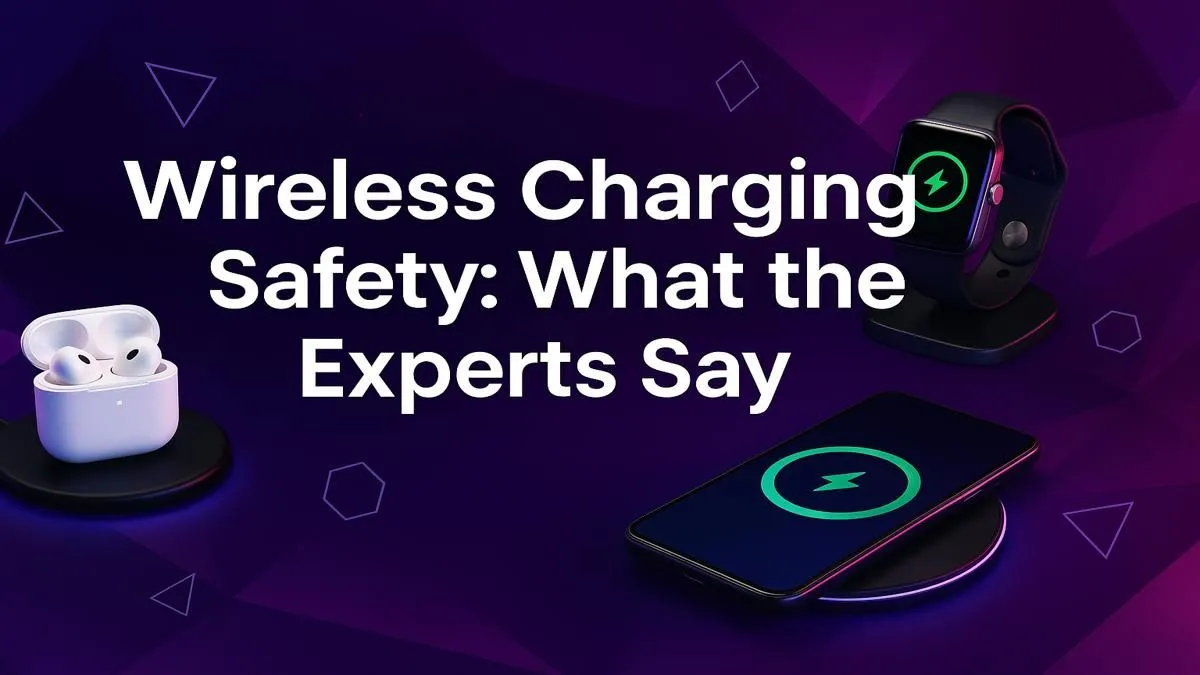
Dropping your phone onto a wireless charger feels like magic... until that little voice in your head asks, "Is this actually safe?" From stories of sizzling batteries to health worries, the convenience of wireless charging comes with questions. We get it. That’s why we’re tackling the biggest concerns about wireless charging safety, giving you the expert answers you need to power up with total peace of mind. Let’s separate the facts from the fear. ⚡
Is Wireless Charging Safe for Your Phone's Battery?
Let's tackle the big one first: your phone's long-term health. The myth that wireless charging "fries" your battery is one of the most common fears, but it's largely outdated. Modern smartphones and certified wireless chargers are incredibly smart. They communicate with each other to manage charging speed and temperature, preventing damage.
The key to battery longevity is heat management. While wireless charging does generate more heat than a cable, a well-designed charger minimises this. The international Qi (pronounced "chee") standard ensures that chargers meet strict safety and efficiency protocols, including thermal monitoring. That's why choosing from a selection of quality wireless chargers that meet these standards is your first line of defence for long-term battery health.
Debunking Common Wireless Charging Safety Myths
Misinformation spreads fast. Let's clear the air on a few more myths surrounding wireless charger safety so you can charge with confidence.
Myth 1: It Can Overcharge Your Phone
Nope. Your smartphone is designed to stop drawing power once it hits 100%. Likewise, Qi-certified chargers have systems that detect a full battery and switch to a low-power trickle mode or shut off completely. You can leave your phone on the pad overnight without a worry. The real concern for wireless charging safety comes from cheap, uncertified chargers that might not have these protective features.
Myth 2: The Radiation is Harmful
Wireless chargers use non-ionizing electromagnetic induction to transfer power over a very short distance. It's the same fundamental principle used in electric toothbrushes for decades. The field they generate is extremely weak and contained, posing no risk to humans. Your Wi-Fi router or cellphone signal exposes you to far more electromagnetic energy.
Pro Tip for Peak Performance 🔋
Your phone case can affect charging speed and heat. Super-thick cases or those with metal plates (like for magnetic car mounts) can interfere with the connection. For the best results, use a slim, wireless-charging-compatible case or remove it before placing your device on the pad.
How to Choose a Genuinely Safe Wireless Charger
Ensuring your wireless charging experience is safe comes down to one thing: choosing the right hardware. A few rands saved on a dodgy charger from a no-name brand isn't worth risking a R20,000 smartphone.
Here’s what to look for:
- Qi Certification: This is non-negotiable. The Qi logo is your guarantee of compatibility, efficiency, and safety testing.
- Reputable Brands: Brands invest heavily in R&D and safety compliance. This is where sticking to trusted brands like Promate makes all the difference, as their products are built to last and protect your devices.
- Correct Power Adapter: The charger is only half the equation. You need to plug it into a wall adapter that can supply the correct wattage. Using an old, underpowered adapter will lead to slow charging and potential overheating.
Ultimately, a reliable power source is one of the most overlooked but essential gaming accessories you can own. When you search for a Promate charger, you're investing in gear that's been tested for safety and performance, keeping your focus on the game, not on your battery level.🛡️
Ready to Charge with Confidence?
Wireless charging safety isn't about luck; it's about choosing quality gear. Ditch the worry and embrace the convenience. Explore our wide range of certified chargers and find the perfect, safe solution for your setup.